
Burger King Korea has ended a product campaign featuring actor Yoo Hae-jin roughly two weeks after launch, just as a boycott movement gathered around the actor. The brand says the timeline was always planned. For marketers, it is a live stress test in celebrity endorsement risk.
What happened
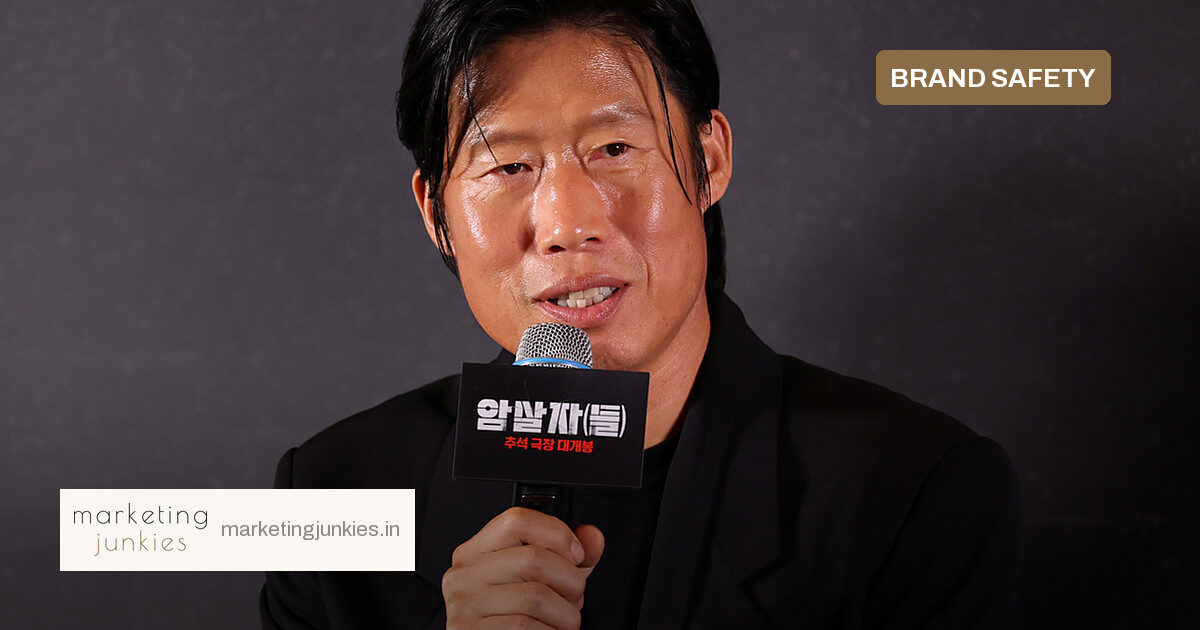
The campaign was built around the Truffle Mushroom Whopper under the wordplay concept ‘New-Hae-jin Teu-meo-wa’, combining Yoo Hae-jin’s name with the word new. A boycott then emerged targeting products he endorses because he stars in the film The Assassins.
Burger King posted a notice on its official website saying:
“The promotional schedule for the Truffle Mushroom Whopper model has concluded.”
A Burger King official said the campaign was “wrapping up according to the originally planned schedule and was not affected by recent developments”, but added that it is difficult to disclose whether the model contract has been terminated.
Separately, protesters gathered the same day in front of the Jongno-gu, Seoul headquarters of BKR, Burger King’s Korean operator, demanding that screenings of The Assassins be halted and that the advertising contract with Yoo be withdrawn.
A one-off model playbook
Burger King Korea generally signs short, product-specific model deals rather than retaining brand ambassadors. Yoo Hae-jin also appeared in its June campaign for the Boiling Seafood Burger. Earlier campaigns this year used Lee Jung-jae for the Quattro Pepper Cube Steak Whopper, Noh Yoon-seo for The Crisper, and Choo Sung-hoon for the Garlic Bulgogi Maximum.
That structure is a deliberate risk hedge: if a celebrity becomes controversial, the brand waits out a finite flight rather than unwinding a long-term ambassadorship. But it also creates a communication problem—a scheduled end can look like a response even when the brand says it is not.
Why the distinction matters
The notice covers the promotional schedule. The model contract is a separate question, and the company has not confirmed its status. That gap is exactly where brand-safety debates live. “Campaign concluded” and “talent relationship ended” are not the same message.
- Book finite, product-level deals with clear end dates that outlast launch noise.
- Keep wrap-up notices factual and scheduled, not reactive.
- Prepare a crisp line on contract status before reporters ask.
- Monitor a celebrity’s off-screen projects as part of talent risk.
The practical framework is separation: separate the campaign flight from the contract, and separate a routine end from a defensive explanation. A brand that can show the end was scheduled has a better story; a brand that only asserts it still leaves room for question.
For quick-service and consumer brands using high-visibility talent, the lesson is to build the exit plan before the launch, not when the protest starts.
Source: Seoul Economic Daily