
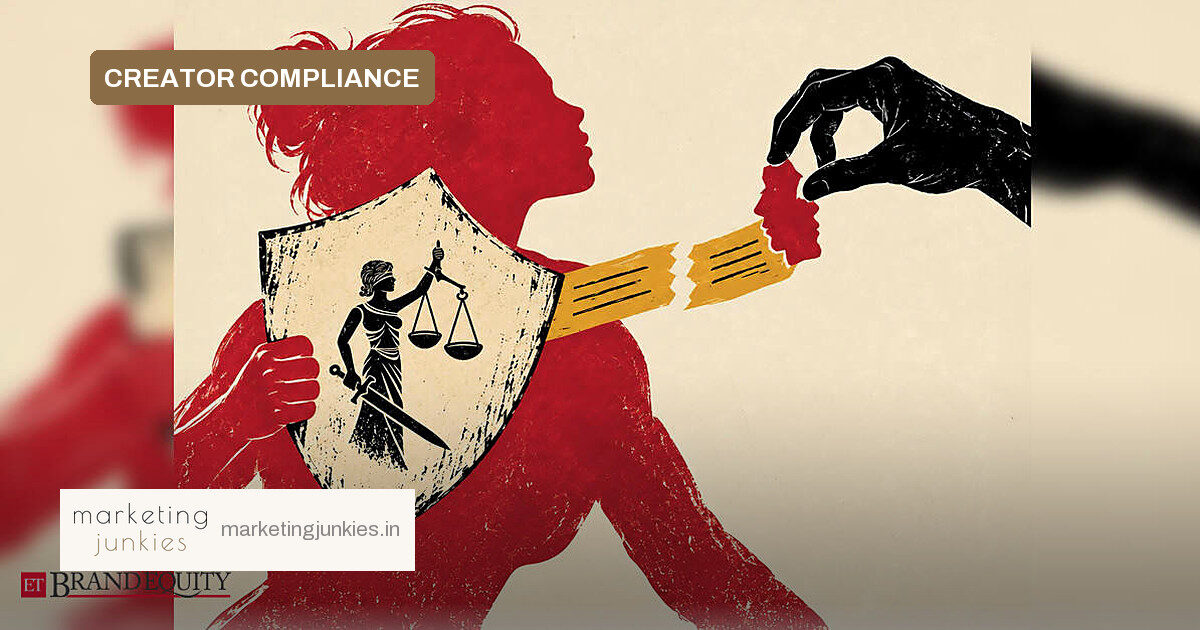
Influencer marketing in India has matured from a side hustle into a regulated commercial field. As ETBrandEquity.com notes, there is no single statute for creators—but copyright, contract, consumer protection and personality rights already cover much of what influencers do.
Your content is protected—until a deal changes it
Under the Copyright Act, 1957, original reels, videos, podcasts and photographs are protected the moment they are created, with no registration needed. Creators also hold moral rights to demand credit and object to distortion. But when a brand commissions and pays for content, ownership can shift to the brand unless the contract says otherwise. A verbal agreement can quietly cost you your best work.
Any copyright assignment should be in writing and spell out ownership, usage, exclusivity, payment timelines, approvals and termination. If the contract does not specify a duration, the law generally presumes five years; if territory is left blank, it presumes India.
Disclosure rules carry real penalties
Paid partnerships, gifts and sponsored trips must be labelled clearly under the Consumer Protection Act, 2019 and the 2022 endorsement guidelines. The label—such as “ad” or “paid partnership”—must be prominent, not buried among hashtags. A first misleading endorsement can attract a penalty of up to ₹10 lakh, rising to ₹50 lakh for repeat contraventions. Endorsers can additionally be barred from making endorsements for up to one year, or up to three years for repeat offences.
- Document every brand deal in writing, including ownership and usage.
- Keep the ad or paid-partnership label prominent.
- Critique products honestly, but avoid defamatory personal attacks.
- Monitor for unauthorised uses of your name, image or voice.
Personality rights now protect creators
Personality rights allow individuals to stop commercial exploitation of their name, image, voice or likeness without consent. Once mainly used by film stars, these rights are now reaching digital creators. In November 2025, the Delhi High Court gave podcaster Raj Shamani interim protection against deepfakes, AI-generated videos, fake endorsements and impersonating chatbots, while not imposing a blanket restraint on parody or satire.
What this means for brands and creators
Creators should operate like businesses: define rights in writing, disclose every commercial relationship, verify claims before endorsing, and protect their identity. For brands, written contracts and clear disclosures reduce both legal exposure and audience distrust. As Delhi-based lawyer Nakul Gandhi writes, “While digital reach may create influence overnight, it does not place the influencer beyond the reach of law.”
Source: ETBrandEquity.com