
On a regular Tuesday, a student taps a UPI QR code at a chai stall, joins a video call for a group assignment, and later watches a family road trip route adjust on a maps app. None of these moments feels like a technology event. They feel like the day.
The chai stall owner does not think about network capacity. The student does not check a data balance before sharing a screen. The driver trusts the map to reroute around a jam. Data has moved into the background. It is the same shift this series tracks: the question India asked moved from “How much does data cost?” to “What can we do with data?”
The welcome that reset the day
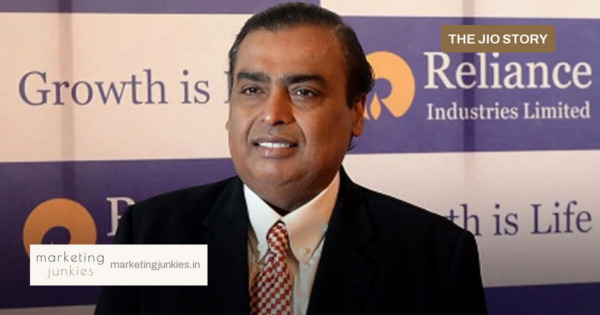
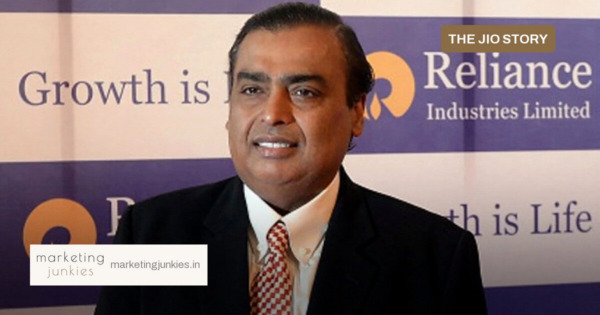
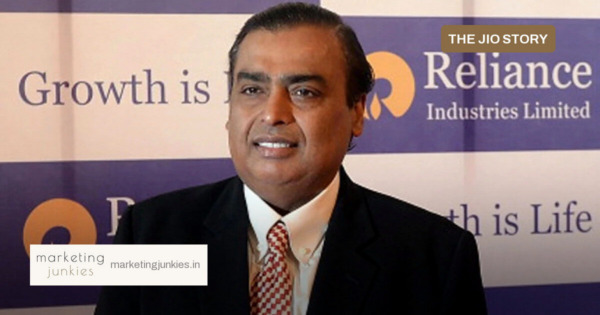
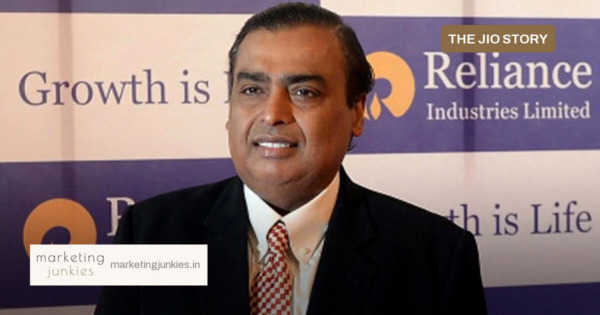
That shift can be dated to 2016, when Jio launched with the Welcome Offer: unlimited 4G data, voice, video and apps, as Reliance Industries described it. Jio reached 100 million subscribers within 170 days of launch, a company-reported figure in the Reliance Industries Integrated Annual Report 2016-17.
For marketers, 170 days is not just a distribution number. It is a habits number. When access is no longer the bottleneck, usage becomes the habit. A study group can stay on a video call long enough to finish the problem set. A family can stream music for the highway stretch. A chai stall can accept a payment without a story about connectivity.
A normal day has no loading symbol
The everyday utility stack is easy to miss because it is made of micro-decisions:
- At the chai stall: UPI payment succeeds before the glass reaches the counter; the transaction is the habit, not the network.
- In the study group: a video call, a shared screen, a last-minute question—data makes presence possible across cities.
- On the family road trip: maps reroute, music follows the mood, and a route becomes a shared experience, not a navigation task.
None of these needs a brand tagline to work. The utility is the experience. By the time a family stops for the night, the network has been used many times without being chosen. That is the nature of an infrastructure brand: a durable customer relationship is one that does not ask for attention.
The marketing lesson: make the day the brief
Jio’s ecosystem today spans connectivity, entertainment, commerce, payments, devices, cloud and AI, as Reliance Industries noted at its 48th AGM in August 2025. It serves 524 million+ customers, a company-reported figure from Reliance Jio Infocomm in March 2026. Its stated priorities—connect every Indian, bring digital services home, digitise businesses, and “AI Everywhere for Everyone”—read less like a product roadmap and more like a daily utility agenda.
For marketing readers, the takeaway is not about telecom. It is about utility design. The brands that get embedded in ordinary routines do not need to shout for recall; they need to remove friction in a moment people repeat every day. The chai stall scan, the study call and the road trip map are all forms of the same brief: be useful before you are visible.