
Pinterest is making a counterintuitive pitch to marketers: the strongest digital experience may be the one that ends with a user putting the phone down.
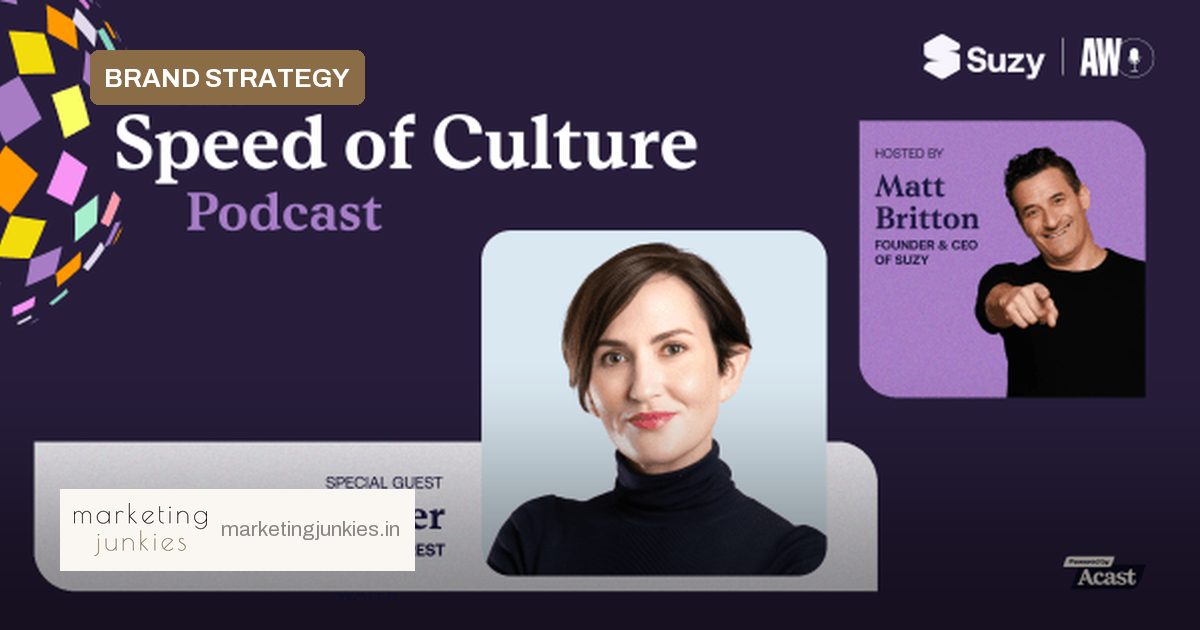
In a recent episode of The Speed of Culture podcast, Pinterest CMO Claudine Cheever told host Matt Britton that the platform sees real-world action as the payoff of a positive discovery journey. The conversation put a name to a shift many brands are still learning to embrace: the intention economy.
From passive scrolling to useful intent
Cheever framed Pinterest as a place for agency and missions, not passive entertainment. Instead of chasing maximum watch time, the platform wants users to make decisions, save ideas and act on them.
That distinction is becoming central to Pinterest’s growth. Cheever said more than half of Pinterest’s users are now Gen Z. The use case is expanding beyond big life moments such as home renovations and weddings into what she described as “little C” creativity: daily inspiration, smaller shopping missions and regular acts of self-expression.
For marketers, the change matters because the conversion path is different. A user who is curating a room, planning an outfit or researching a purchase is already in a consideration mindset. Meeting them there can create a deeper brand connection than a fleeting scroll.
Why the intention economy is a full-funnel opportunity
Cheever said Pinterest is teaching advertisers to think beyond attention and toward deliberate choice. In her view, the intention economy captures users in the middle of the journey—when they are comparing, saving and deciding—which makes the platform a full-funnel partner rather than only an awareness channel.
Marketing teams can translate that idea into action by:
- Redefining success metrics: Track saves, site visits, searches and offline outcomes alongside impressions and watch time.
- Building for decision-making: Create content that helps people compare options, visualise outcomes and narrow choices.
- Using visual search as an entry point: Treat image-led discovery as an intent signal, not just a feed placement.
- Designing for post-scroll behaviour: Give users a reason to act after they close the app, whether that is a store visit, a trial or a purchase.
Cheever’s background reinforces the strategic framing. Before joining Pinterest, she spent nearly a decade at Amazon, where brand marketing was built around customer obsession. Earlier advertising roles at Ogilvy, Goodby, McCann and Saatchi & Saatchi shaped her planner-led approach to storytelling, the conversation noted.
Offline activations and earned media
Pinterest has turned the offline moment into a media story. Cheever pointed to a phone-free Coachella activation and Manifestival as examples of events that encourage hands-on creativity rather than screen-first documentation.
The logic is simple: when people engage deeply with a real-world experience, they are more likely to associate that feeling with the platform that enabled it. The activation also gives creators and attendees a reason to share the experience afterwards, turning disconnection into earned media.
Cheever linked this to identity. Developing personal taste, she argued, is part of growing up and building confidence. Pinterest can serve as a safe place for users to figure out who they are through the objects, aesthetics and ideas they choose.
What leaders can borrow
Cheever also shared a leadership principle that applies far beyond social platforms: radical ownership. She said true leadership means spotting gaps and solving problems without waiting for instructions.
For marketing leaders, that mindset can speed up campaign decisions, improve cross-functional work and make brand strategy more resilient in fast-moving channels.
The larger takeaway for the industry is not to abandon engagement metrics, but to expand them. A platform—or a brand—that helps consumers decide, act or disconnect can build goodwill and long-term relevance that raw screen time may not capture.
Source: Adweek