
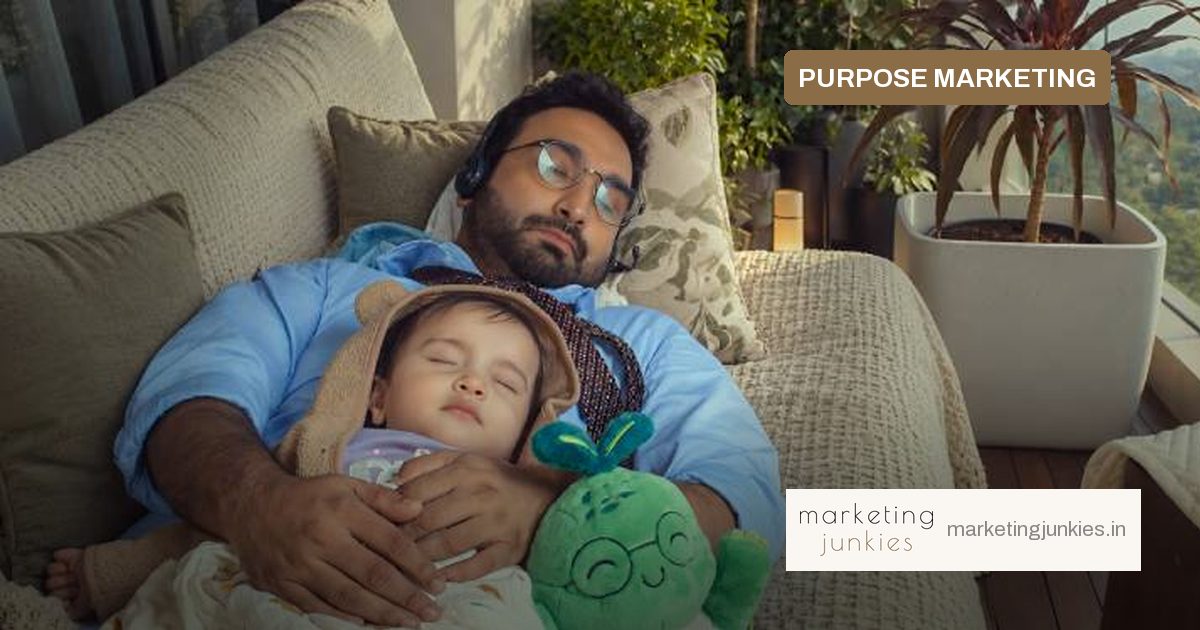
BabyOrgano, the Ayurvedic wellness brand for children, has released its first brand film, and the focus is not a new remedy. It is the everyday, often lopsided reality of modern Indian parenting. The film follows a mother returning to work after maternity leave while her partner learns the rhythms of childcare, making visible the mental and emotional load that frequently falls on mothers even in households that see themselves as equal.
Created with Team Pumpkin, the campaign is led by a predominantly female-led crew. It was released across social platforms and is aimed at parents in Tier 1 and Tier 2 urban India. BabyOrgano says more than 5 million parents and over a thousand doctors have trusted the brand so far, but this film is designed less as proof and more as recognition.
Why emotional territory is a strategic shift
BabyOrgano has typically spoken through education and product-led content. Moving into a co-parenting story is a brand-building choice: it trades a direct product message for a more durable emotional association. The film does not hero the product. Ayurvedic wellness products appear inside ordinary family moments, which is often more believable than a routine product demonstration.
What the film is actually saying
The storyline resists idealised parenting. The father is not portrayed as a flawless caregiver; he is shown learning, which gives the narrative its credibility. This matters because co-parenting is often presented as a finished state rather than an active negotiation. BabyOrgano’s approach lets both parents see themselves in the frame.
Founder Riddhi Sharma said the team did not want to make a film that “lectures anyone.” Instead, the objective was to sit with a couple who are “genuinely figuring it out” and let parents recognise a little of themselves.
Co-founder Ripul Sharma added that the brand’s responsibility is to keep earning trust through honesty and the stories it chooses to tell.
What marketers can borrow from the campaign
For marketing professionals, the film is a compact case study in modern purpose-led storytelling. The product stays relevant without dominating the narrative. The brand chooses a cultural tension, shows it with warmth, and invites families to share their own experiences.
- Start with a real tension, not a product claim.
- Show progress rather than perfection to build credibility.
- Place the product inside a ritual, not at the centre of the story.
- End with a participation prompt that can drive organic conversation.
The takeaway
BabyOrgano’s first brand film signals a broader shift in kids’ wellness marketing: from functional reassurance to emotional relevance. For marketing leaders, this is a signal to track as more Indian wellness brands compete on cultural relevance rather than product superiority. If the campaign succeeds, it will be measured less by clicks than by the conversations it starts about shared parenting in urban Indian homes.
Source: MediaNews4U