Some memories do not stay personal. They become a shared script. When someone says “my first video call home,” the sentence is half confession, half cultural reference. It needs no setup, because millions of people already know the scene.
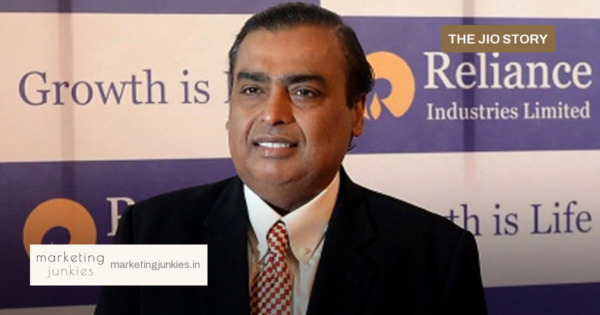
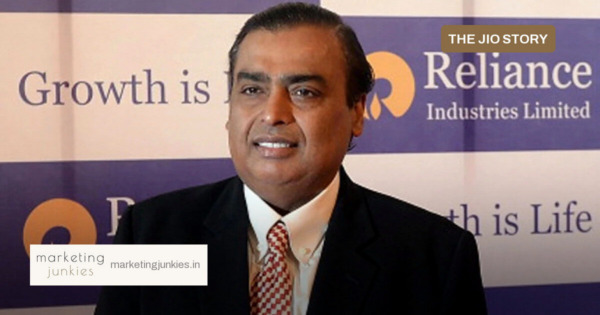
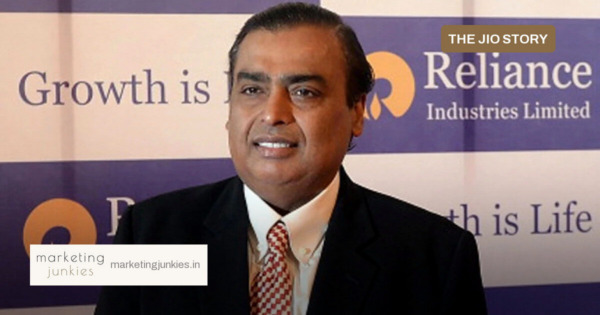
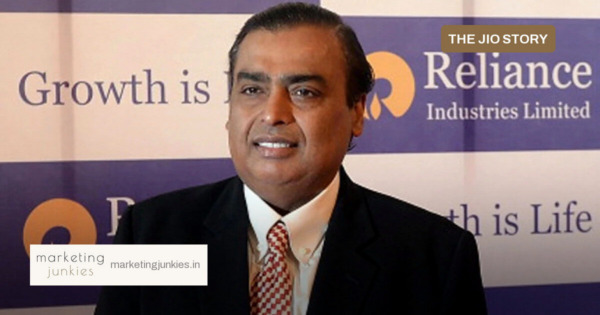
In 2016 Jio launched with the Welcome Offer: unlimited 4G data, voice, video and apps (Reliance Industries). The company later reported 100 million subscribers within 170 days of launch (company-reported; Reliance Industries Integrated Annual Report 2016-17). For marketers, that pace is not just a growth figure. It compressed a new everyday behaviour into a single shared window. Across cities and small towns, people tried the same thing: a video call home.
The private cue turns public
Memory is not a recording. It is a cue system. A face on a screen, a familiar voice without delay, a room appearing in real time, these are sensory hooks. When enough people have the same hook, personal memory becomes cultural memory.
The first video call works because it sits at a mild but meaningful emotional peak. Nobody was watching a product. They were showing a child to a grandparent, a hostel room to a parent, a new home to an old friend. The moment was both ordinary and unrepeatable.
That is the shape of collective nostalgia. It attaches feeling to a period of change, not to a feature list. The question India asked moved from “How much does data cost?” to “What can we do with data?”
Why brands build on shared memories
A shared memory behaves like a media channel. It is retold without a budget, carries emotion into the retelling, and invites people to add their own version.
From a brand-building view, this matters for three reasons:
- Recall: emotional firsts are easier to retrieve than product claims.
- Context: the memory does the explanatory work, so the brand can stay light.
- Participation: shared moments invite user versions, not passive attention.
The brand stays in the background
The strongest part of “my first video call home” is that it is remembered as a human moment, not as a network achievement. The brand enabled the scene; it did not star in it. That is often the right role inside a shared memory.
Today Jio serves 524 million+ customers (Reliance Jio Infocomm, March 2026; company-reported). Its ecosystem now spans connectivity, entertainment, commerce, payments, devices, cloud and AI (Reliance Industries 48th AGM, August 2025). Yet the shared memory still runs on simpler rails: a first call, a festival feed, a cricket night, a late-night video.
For marketing teams, the lesson is clear. Do not ask people to remember your brand. Build a moment they will retell as their own. Shared memory works hardest when the customer is the hero and the brand is the quiet infrastructure behind the story.