The campaign
Cadbury Dairy Milk, India. The film ran in the mid-2000s, before short video had made viral a distribution strategy, and it belonged to the brand’s long-running Kuch meetha ho jaye platform. Agency credits for the individual spot are harder to pin down now, but the brief was unmistakable: take Dairy Milk beyond festive gifting and make it the default answer to a simple question—what do we eat when something good happens?
The campaign was part of a wider effort to give the chocolate a more daily, social role in Indian life. Instead of selling a bar, it sold the moment the bar marked.
What the film said and how
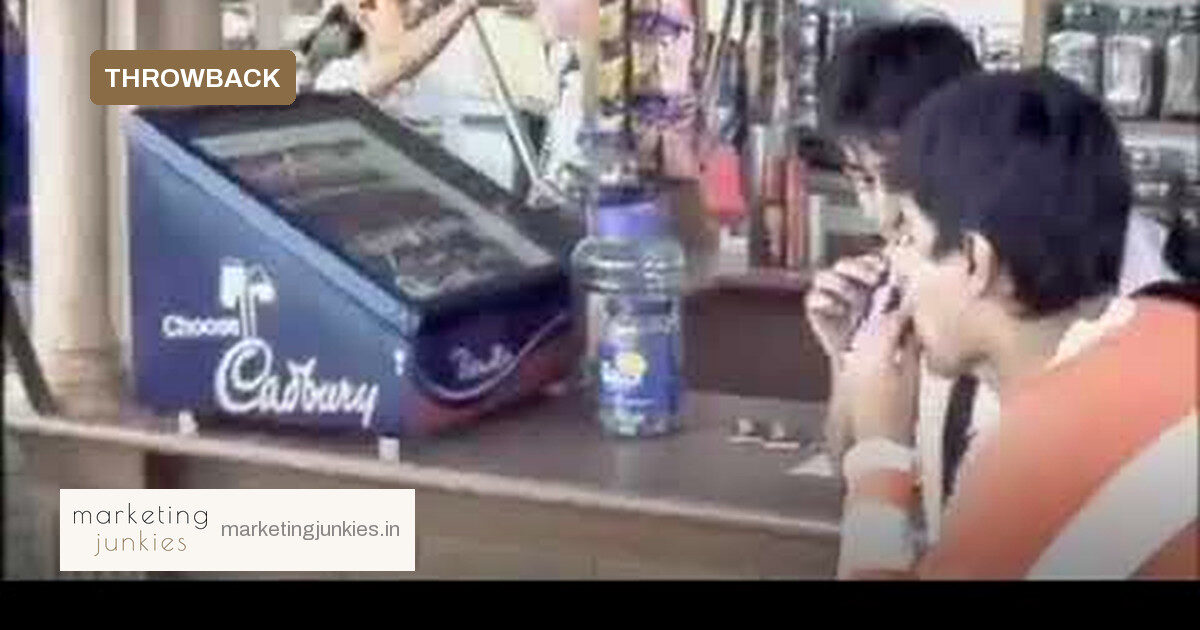
The ad builds around a schoolboy named Pappu and the moment his result arrives. It doesn’t stage a grand ceremony. It stages the pause before good news, then the release. Pappu’s line—Pappu pass ho gaya—becomes the entire plot. The film lets the family’s reaction and the chocolate do the talking, with the brand’s Kuch meetha ho jaye promise tucked in as the natural conclusion.
The craft was deliberately small: one family, one threshold moment, one phrase repeated enough to stick. The ad didn’t sell a product attribute. It sold the ritual of marking a win, however modest, with something sweet. That repositioned Dairy Milk from a children’s treat or festival gift into a signal of shared happiness.
The response it got
The line refused to stay inside the commercial. Exam season after exam season, Pappu pass ho gaya has been used by students, parents, teachers, and later by memes and social media posts. It became a compact way to say: the result is in, and it is good. That is the rare advertising outcome—a brand line becoming everyday vocabulary.
The ad is credited with giving Cadbury Dairy Milk a sharper role in India’s small, spontaneous celebrations. It didn’t need a celebrity or a cinematic location to land; it needed a character people recognised. In a media environment crowded with loud jingles, the film was quieter, warmer and therefore more memorable.
What it changed in the category
Before the Kuch meetha ho jaye wave, chocolate advertising in India often leaned on product shots, children’s delight or premium indulgence. Pappu Pass Ho Gaya pushed the category toward occasion-led thinking.
- It expanded when a consumer might buy chocolate: from results and promotions to any personal win.
- It made the brand’s phrase more important than the product’s features.
- It showed that an ordinary middle-class moment could carry a national campaign as well as a celebrity could.
The ad didn’t just sell more bars in that window. It gave Cadbury a template for owning meetha as a cultural ritual, which competitors could imitate but not easily displace.
Where the brand and the idea are now
The phrase still appears in exam-season posts and everyday conversation, long after the original film stopped being the focus. Cadbury Dairy Milk, now part of Mondelez India, has continued to build on celebration—through Shubh Aarambh, through moments of generosity, and through newer campaigns that still lean on the idea that something good deserves something sweet.
The Pappu Pass Ho Gaya ad remains a teaching example for Indian marketers: the smallest line, attached to a real moment, can outlast a big production. It turned a boy’s pass into a brand’s permission to be part of every small victory.
Watch the original: Cadbury Dairy Milk on YouTube