The campaign
Brand: Cadbury Dairy Milk. Market: India. The campaign’s original agency is not confirmed here, and the first national push took shape in the mid-2000s, when Cadbury was moving Dairy Milk from a child-centred treat toward a daily social ritual. Cadbury built the platform with long-standing creative partners, aiming to make the brand the default answer to good news, not just a chocolate bar. The line was Kuch Meetha Ho Jaye—a warm, low-effort nudge to share something sweet after any good news.
What the film said and how
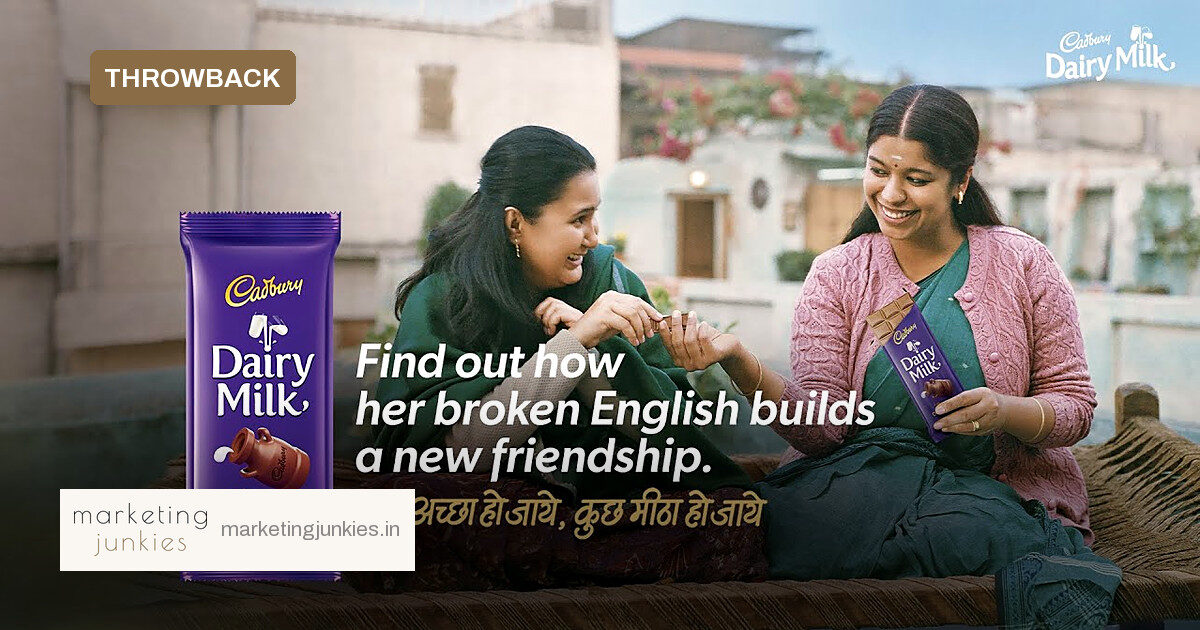
The film here is a later, softer reading of that platform: a new family moves into a neighbourhood, and the ice-breaking gesture is a Cadbury Dairy Milk. It updates the line to Kuch accha ho jaaye, kuch meetha ho jaaye. The strategy is not to show craving or indulgence; it shows the product as a social signal. The chocolate moves from one household to another as a gesture of neighbourly goodwill.
The execution relies on understatement, not spectacle. That is what makes the platform portable—it works for a passed exam, a festival, a new home, or a small act of everyday kindness. The ad never pushes for a sale; it asks for a shared moment.
The response it got
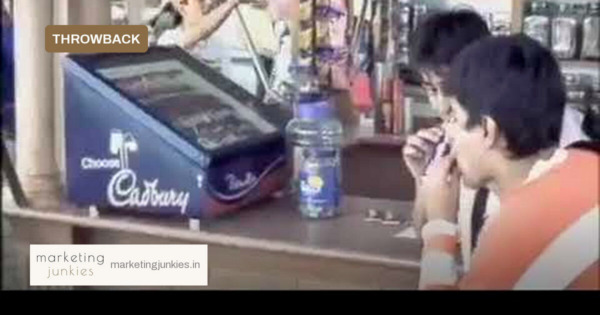
Indian audiences picked up the phrase quickly. The Pappu pass ho gaya moment became cultural shorthand for academic wins and is still remembered years later. The line worked like a jingle without music: people used it to suggest celebration, and Cadbury became the default chocolate for small occasions, not just festivals. The phrase was useful in Indian homes precisely because it was open-ended—it could be said for an exam result, a salary hike, a family visit or a new car.
The campaign is credited with helping lift sales and strengthening Cadbury Dairy Milk’s position in a market where chocolate was still fighting mithai and traditional sweets for celebration budgets. Radio spots, shop signboards and later digital films repeated the line until it became detached from any single ad.
What it changed in the category
Before the platform, chocolate advertising in India often leaned on taste, texture, or Western-style indulgence. Kuch Meetha Ho Jaye changed the category’s mental real estate:
- It repositioned chocolate as a social ritual, not a solo treat.
- It created a verbal purchase prompt that worked across languages and regions.
- It made the brand a participant in family milestones, not just a snack in a shop.
This was not merely a tagline change. It altered where and when consumers thought of the brand: at the moment of good news, not only at the shop counter. Later brands chasing celebration occasions had to work around a line that Cadbury already owned.
Where the brand and the idea are now
Cadbury Dairy Milk still uses the platform. Occasion-led work around exams, Diwali, Raksha Bandhan and neighbourly moments keeps the line alive. The New Neighbour film shows how the idea has widened from personal wins to everyday goodness—without surrendering the tagline’s familiarity. Newer films continue to borrow the line’s warmth, suggesting the platform has outlived individual commercials. The phrase now lives in India’s everyday speech, which is rare for a brand line and hard to replace.
Watch the original: Cadbury Dairy Milk on YouTube