Bayer has taken an unconventional route to talk about kidney health in diabetes: a game-show-style film where the most important test is the one nobody picks.
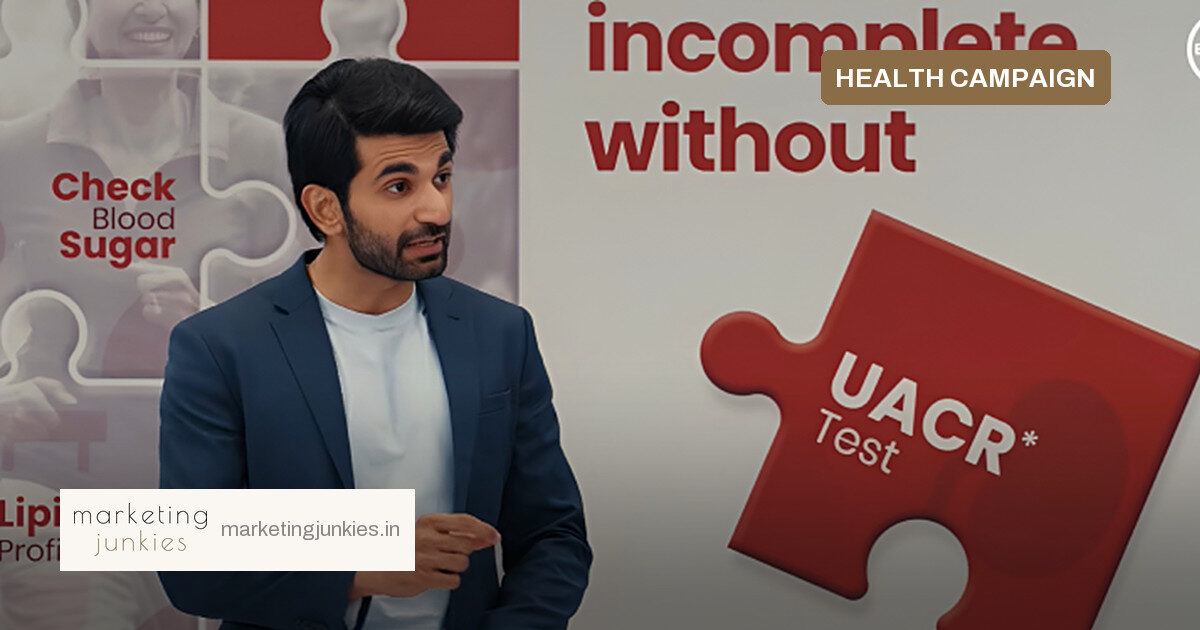
The pharmaceutical major launched the Diabetes Grab-A-Thon awareness film to draw attention to UACR testing—a urine test that measures the albumin-to-creatinine ratio and can flag early kidney damage. The setup places participants in a room full of gift boxes, each representing a familiar diabetes management habit or health test. People readily select the boxes they recognise, while the box marked UACR stays untouched.
The campaign mechanics
- Participants choose gift boxes linked to common diabetes habits and tests.
- The UACR box remains ignored, visualising a real awareness gap.
- The film reframes kidney checks as the missing piece in diabetes care.
- The call to action is simple: ask a doctor about UACR and kidney health.
Why UACR matters
UACR is not a new diagnostic tool, but it is easy to overlook in diabetes conversations that tend to centre on blood sugar, diet and medication. The test measures the ratio of albumin, a protein, to creatinine in urine. Elevated levels above 30 mg/g can indicate kidney damage and may serve as an early marker of chronic kidney disease.
Because diabetes can affect kidney function before symptoms become visible, regular UACR testing gives healthcare professionals a chance to spot changes early and decide on the next step. That framing is central to Bayer’s pitch: the test completes the diabetes care puzzle.
What the creative gets right
Bayer’s Pharmaceuticals Division is leaning on familiarity to carry a clinical message. Shweta Rai, Managing Director – India and Country Division Head – South Asia, said the format was chosen deliberately.
“Important health conversations don’t always have to begin with complex medical information.”
The rest of her point matters for marketers: a recognisable, low-stakes frame can make a health test easier to understand and act on. The untouched box becomes the insight—awareness is not the same as action.
The film does not introduce a new product. It is a disease-awareness play, which makes the creative choice more interesting. In categories where medical caution can make advertising feel heavy, Bayer keeps the tone light and familiar without diluting the medical ask.
What marketers can borrow
Health and pharma marketers often try to educate by adding detail. The Grab-A-Thon works in the opposite direction. It turns the missing behaviour into the protagonist. For any campaign, the question is worth asking: what is the untouched box in your audience’s routine?
It is a useful reminder that a simple visual metaphor can often do more than a list of clinical facts—especially when the goal is a behaviour change.
Source: MediaNews4U