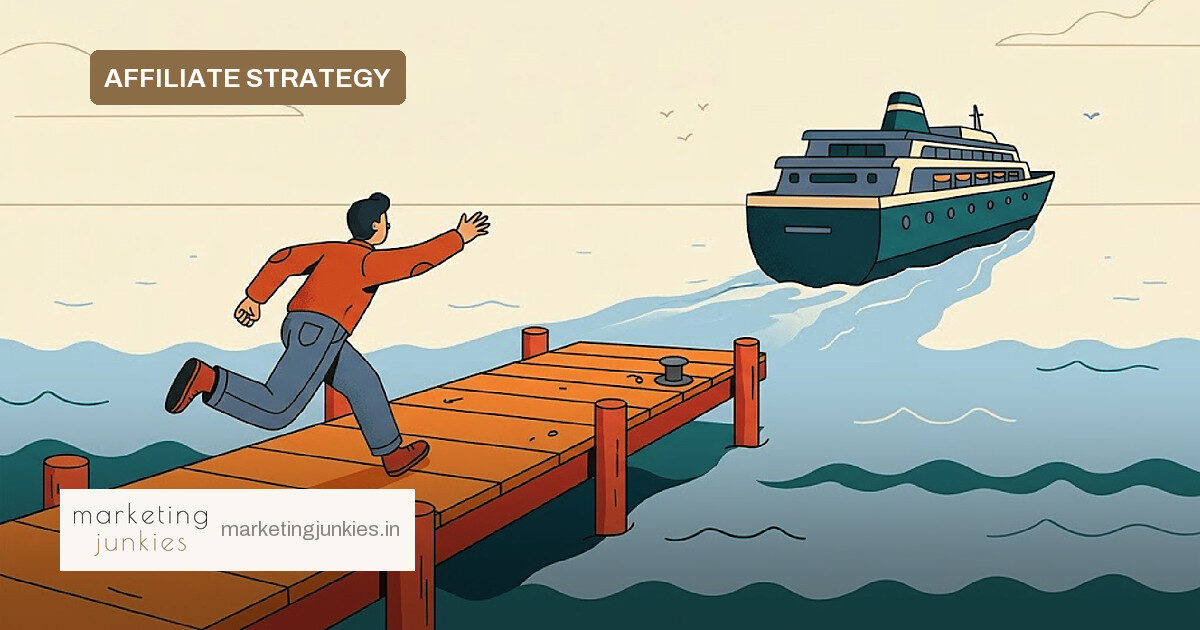
Affiliate marketing has typically been the channel that captures a sale at the end of the journey. But if your program only shows up at checkout, it may be showing up too late. Consumers now discover products through AI assistants, editorial publishers, social feeds and creators long before they click an affiliate link.
According to research cited in a new MarTech column, more than half of AI users turn to AI tools to research what they buy. Yet many affiliate programs are still weighted toward coupon and discount partners that reach shoppers who are already ready to buy.
Clarks shifts from closing to discovery
Clarks, an Awin client, offers a concrete example. Mario Protano, director of performance marketing at Clarks, described the brand’s U.S. affiliate program as “in a hold pattern.” Most activity ran through coupon and discount sites, and the company worked with 10 to 20 influencers. That setup can drive transactions but does little to introduce the brand to new audiences.
So Clarks widened the partner mix to hundreds of creators and established publishers. The brand also moved beyond polished studio shots, letting creators show its shoes in everyday settings. That firsthand knowledge helps Clarks connect in ways traditional brand imagery cannot.
Why this matters
The column’s central point is that affiliate should influence the decisions that lead to a sale, not only the moment of purchase. Different partner types play different roles:
- Editorial publishers build credibility and surface products in reviews and buying guides.
- Creators reach audiences that have never searched for the brand.
- Coupon and loyalty partners help close the sale with shoppers already considering a purchase.
A discovery-focused affiliate strategy asks which audiences partners reach, not just what they sell.
Product data is now an affiliate issue
AI-assisted discovery makes clean product data impossible to ignore. Protano gives a simple example: if a shoe is listed as “navy” in the product feed and “blue” on the website, an AI assistant struggles to connect the two.
“AI does not like that. It just does not match.”
That changes the definition of affiliate readiness. It is no longer only about being present through the right partners. The product information partners and AI tools rely on must be accurate, consistent and easy to interpret.
Measurement must move beyond clicks
Picture a shopper asking ChatGPT for a comfortable walking shoe. Clarks appears in the answer, but the person does not click. None of that shows up in traditional click data. The column calls for partner platforms to build measurement that captures brand mentions and visibility in AI-generated recommendations. Protano is candid that settled KPIs for AI-driven discovery do not yet exist.
What to do now
Marketing leaders can start with a simple audit. Decide what the affiliate program is for before adding partners. Widen the mix to match the journey stage. Audit product data for consistency. And track influence signals such as AI mentions alongside clicks and sales.
Source: MarTech