
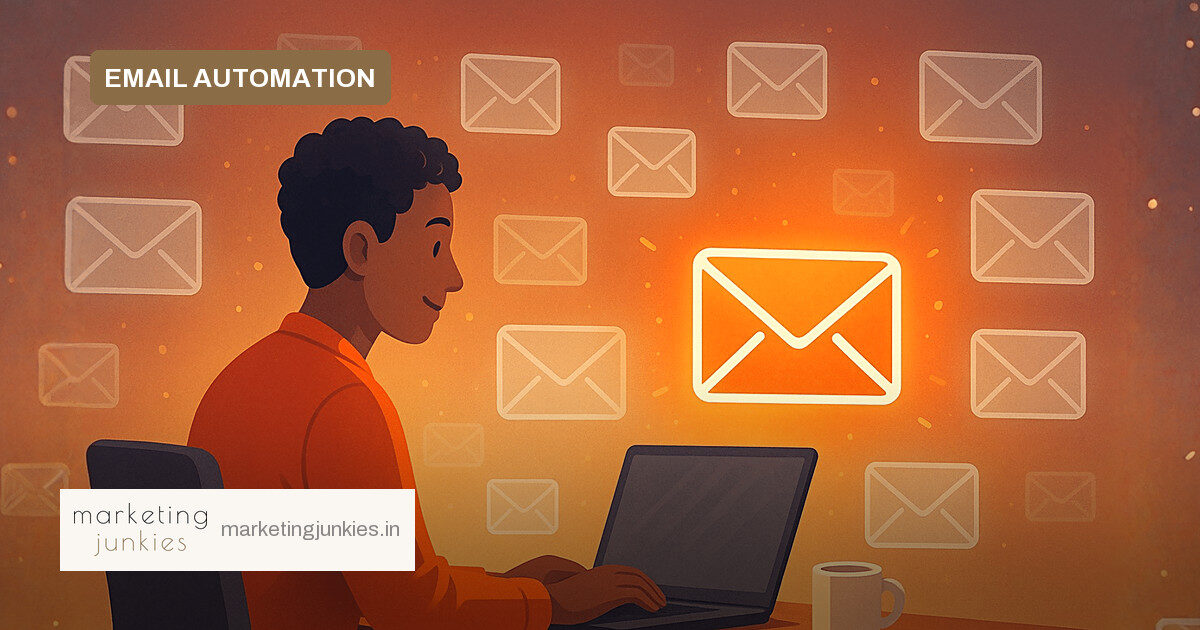
Most email automation is built on what customers do: a click, a purchase, a form fill. But a contributor writing for MarTech says marketers are leaving revenue on the table when they ignore the opposite signal—what customers stop doing. The idea is simple: a customer who stops logging in, never downloads the resource they requested, or fails to reorder is sending a message just as clearly as one who clicks.
The article opens with a coffee shop anecdote. A barista knows a regular’s order and notices when the reusable cup is missing. That observation about inaction is exactly the kind of trigger marketing teams should build into their email programs.
What a customer signal really is
A customer signal is any trace of behavior across any channel that says something about who the customer is or what they need next. It goes well beyond cart abandonment, and it shows up in places teams often overlook:
- A customer adds an order note asking for shrimp to be left out, which could become a saved dietary preference for future recommendations.
- A lead requests an ebook but never clicks the download link—intent followed by silence, and a good reason to send a reminder.
- A customer buys jewelry every September, likely a gift giver worth reminding a few weeks before their usual purchase date.
Active signals are the noise you already have
Active signals are the things customers do, and they usually appear as events or profile attributes. They include time from signup to first meaningful action, feature adoption depth, early power-user behavior, seat and license utilization, pricing page visits, and support ticket spikes. The difference between a user who activates in an hour and one who takes a week can shape an entirely different onboarding flow.
The piece notes that the same action can mean different things for different audiences. A customer visiting the pricing page may be considering an upgrade, while a prospect doing the same should trigger different communication.
Inactive signals are the silence you have to learn to hear
Inactive signals are the things customers don’t do, and they are harder to catch because silence doesn’t create an event. Most email service providers trigger on actions, not on things that never happened. Marketers therefore need to define what normal looks like for each segment and set a time window to watch for exceptions.
Useful inactive signals include skipped setup steps, no first action after signup, usage decline before renewal, stopping use of a previously adopted feature, no payment update after a card-decline notice, and disengagement from a loyalty program. But not all silence signals churn—some products are used monthly, annually, or only when needed, so every silence has to be measured against the user’s own baseline.
From signal to send: four decisions
The article proposes a simple framework before any signal becomes a campaign:
- Decide what counts as a signal worth actioning—for example, no login for seven, 14 or 30 days, based on when churned customers usually went quiet.
- Pick a trigger or segment. A trigger sends to a person after a skipped step; a segment groups users who fall below a feature threshold for a newsletter.
- Set exit conditions so a lead who schedules a demo after the first reminder doesn’t get the second.
- Apply frequency capping priorities: transactional emails always go out, triggered emails generally come next, and promotional campaigns go last.
What marketers should do now
For marketing professionals and students, the takeaway is practical: you probably don’t need more data; you need to listen better to what you already record. Start small by picking a few important milestones, define normal behavior, get those triggers into your email platform, and expand from there. A customer whose card just declined should not be receiving a sale announcement, and that one exception can protect both revenue and trust.
The strongest lifecycle programs, the piece argues, are the ones that listen to what users do and what they stop doing. That shift from event-based to signal-based automation is the real upgrade.
Source: MarTech