
Kirana shelves are no longer legacy turf
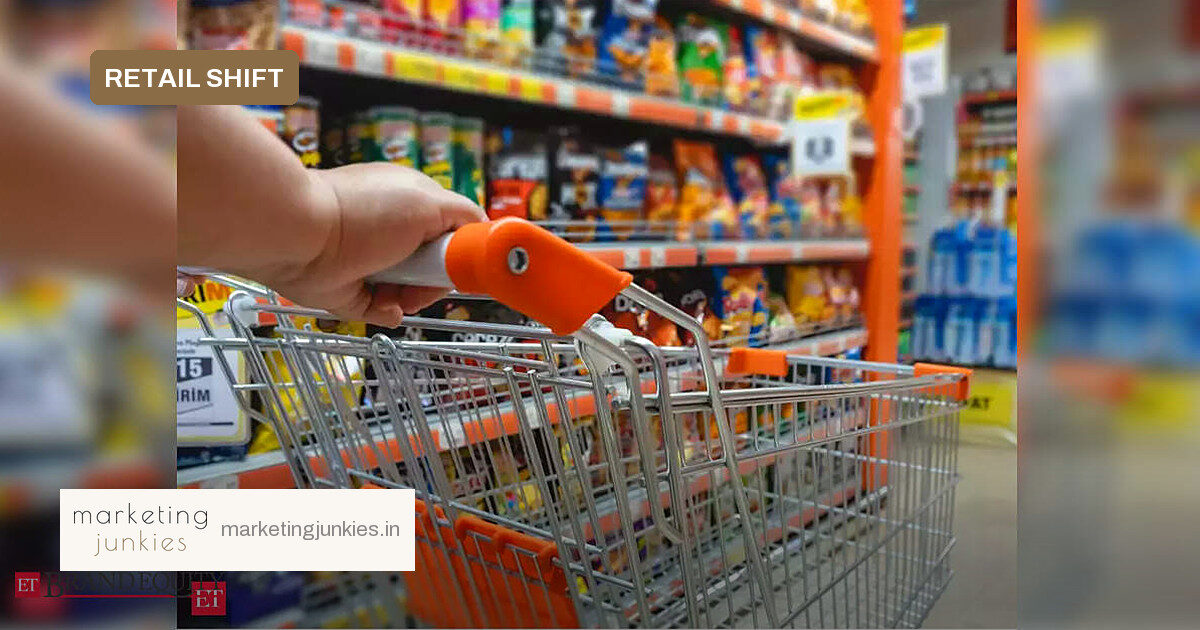
For decades, India’s FMCG giants won not only on brands but on the ability to place products in millions of neighbourhood stores. New data suggests that last advantage is beginning to shift. Gen Z and digital-first brands captured 21.7% of India’s kirana market in the first half of FY27, up from 14.8% a year earlier, according to retail intelligence platform Bizom, as reported by ET. Over the same period, established FMCG companies saw their share fall from 85.2% to 78.3%.
Bizom tracks 10 million kirana outlets, which makes the numbers a meaningful view of general trade. The change is not a one-quarter blip. D2C brands expanded their kirana footprint by 200 basis points in the September quarter alone, while established players lost 1.9% of urban kirana outlets.
Why the shelf opened up
Kirana owners respond to demand. When shoppers repeatedly ask for a product, refusing to stock it means losing a sale. Plum Goodness chief executive Shankar Prasad told ET that consumers are increasingly looking for science-oriented, performance-led products. Retailers that once hesitated to stock higher-priced new-age products are now making shelf space as customers ask for them.
Quick commerce has changed the sequence. New brands can launch online across cities quickly, build recognition, and then approach kirana owners with evidence that buyers already know the product. That makes a premium newcomer easier to stock.
The moat legacy firms built
Distribution remains the hardest part of Indian consumer goods. Hindustan Unilever alone works with more than 3,500 distributors across over 2,000 towns and reaches nine million retail outlets, including three million directly. That scale is not easy to replicate.
The pressure shows in the acquisition market:
- HUL, ITC, Marico and Emami have acquired or taken controlling stakes in at least a dozen digital-first brands over the past five years.
- Around two-thirds of FMCG acquisitions in the five years studied by Crisil were in the D2C segment.
- Quick commerce is letting new brands build demand before they invest in general trade.
A listing is not loyalty
The opportunity is real, but the hard part comes after shelf entry. Zydus Wellness chief executive Tarun Arora said that sustaining distribution and building sales over time is considerably harder. Higher retailer margins cannot guarantee shelf space indefinitely, and general-trade expansion remains expensive for digital-first companies.
Worldpanel by Numerator’s Brand Footprint India 2026 report shows the gap: only 56% of low-penetration brands increased consumer reach in 2025, compared with 83% of highly penetrated brands. For D2C marketers, the playbook is to build online pull first, convert it into offline listings, and then track repeat purchase rather than one-time placement. Legacy firms still hold deep retailer relationships, capital and data, so the shelf fight is not over.
Source: ETBrandEquity.com