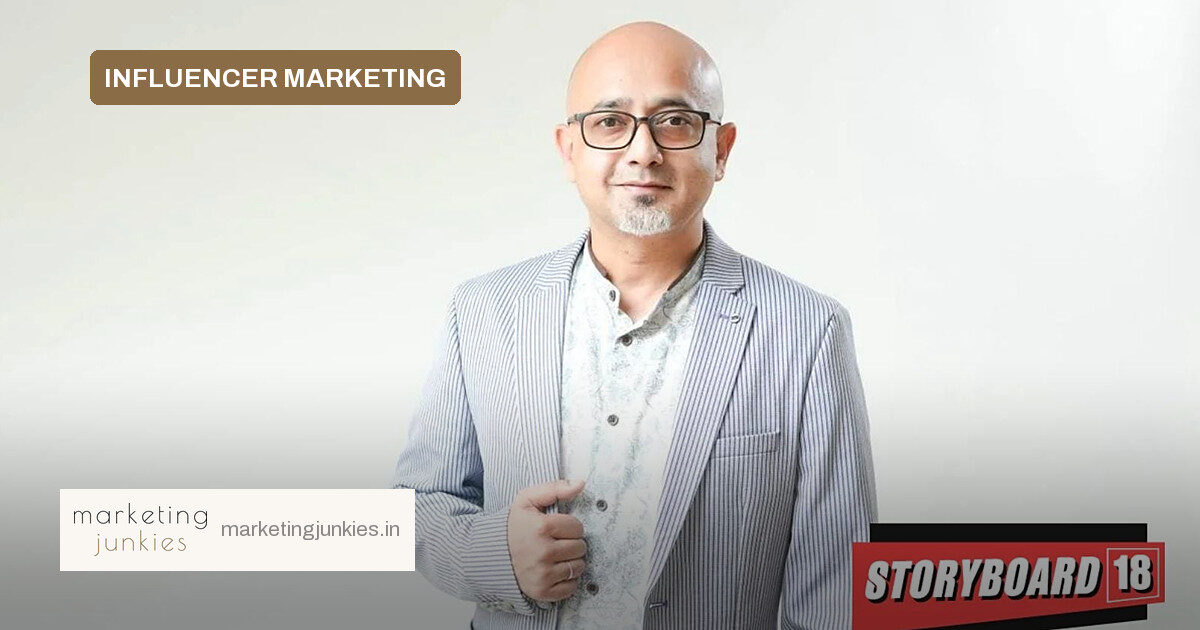
India’s influencer marketing economy may be far bigger than the boardroom numbers suggest—but a large slice of the spend is still leaking into fake reach and recycled creator lists. Kalyan Kumar, founder and CEO of influencer intelligence platform KlugKlug, estimates the market has crossed Rs 20,000 crore, far above the Rs 3,500–4,000 crore level often cited by industry trackers.
The hidden market below the agency view
Kumar’s estimate rests on a simple gap: market sizing exercises tend to count only spend flowing through large agencies and established advertisers. By his account, thousands of D2C brands, regional businesses, restaurants and hospitality players are funding creator campaigns outside that visible pool. In his view, the market had crossed Rs 10,000 crore in 2024 and has since moved well beyond that figure. The Rs 20,000 crore number is his assessment of the wider economy, not an independently verified industry valuation.
He points to active categories such as health, wellness, nutrition, protein, gut health, food and beverages, alongside legacy influencer strongholds like beauty, fashion and technology. A growth-oriented D2C brand, he estimates, might route roughly half its marketing budget into influencer and content marketing and keep the rest in performance advertising.
Where the money leaks: fake followers and the same 20,000 names
The bigger market does not mean bigger efficiency. KlugKlug’s analysis suggests that about two out of three Indian influencers have more than 50% fake or inactive followers. The result: brands that choose creators by follower count can buy a lot of audience that never sees, remembers or acts on the campaign. Kumar’s core criticism is blunt: “What the world is doing is mistaking the influencer for their audiences.”
He also flags a second structural problem—repeated creator selection. Agencies and brands often circulate the same lists of established creators, so competing advertisers keep renting the same reach. Kumar puts it as the same list of 20,000 influencers being churned on every Excel sheet. Over time, that repetition weakens the credibility of promotional content and deepens audience fatigue.
What a smarter creator check looks like
Kumar advises brands to look past follower counts and ask four questions before committing budget:
- Authenticity: are the followers real and active?
- Location: are they in the geographies you sell to—say, Gujarat or Maharashtra for a regional hotel chain?
- Relevance: do they have genuine category intent, rather than general celebrity?
- Benchmark: how does sponsored engagement compare with the creator’s own organic posts?
This is the difference between reach and audience intelligence. Kumar says big celebrities remain useful for visibility and optics, but their organic fame does not automatically transfer to sponsored posts. Micro and nano creators often deliver stronger influence over purchase decisions when campaigns need regional trust, community credibility or category-specific engagement.
Measurement, contracts and what comes next
Marketers are beginning to ask better questions—audience geography, engagement quality and creator credibility instead of only reach and cost per view. Some are shifting to cost per engagement and comparing sponsored performance with organic baselines. Kumar cites ITC as an example of a company that has used KlugKlug for three years to assess influencers across brands before campaigns run.
Yet the industry still has fault lines: payment cycles of 60–90 days, smaller creators without advance-payment leverage, last-minute cancellations and unclear briefs. Kumar’s fix is ordinary but underused—contracts that specify payment schedules, cancellation charges and revision expectations, with cancellation fees sometimes around 50% of the agreed consideration. And because fraud now goes beyond bought followers into purchased likes, comments, shares and video views, high engagement cannot be treated as proof of genuine demand.
The next phase of India’s creator economy, he argues, will depend less on how many influencers brands recruit and more on how well they identify credible audiences, build transparent commercial relationships and separate genuine influence from manufactured popularity.
Source: Storyboard18