Ask a marketer about 2016 and they may not begin with a tariff table. They will describe a face on a phone screen, a family leaning into the frame, a voice breaking over a weak connection. The moment was not about a plan. It was about a shared first.
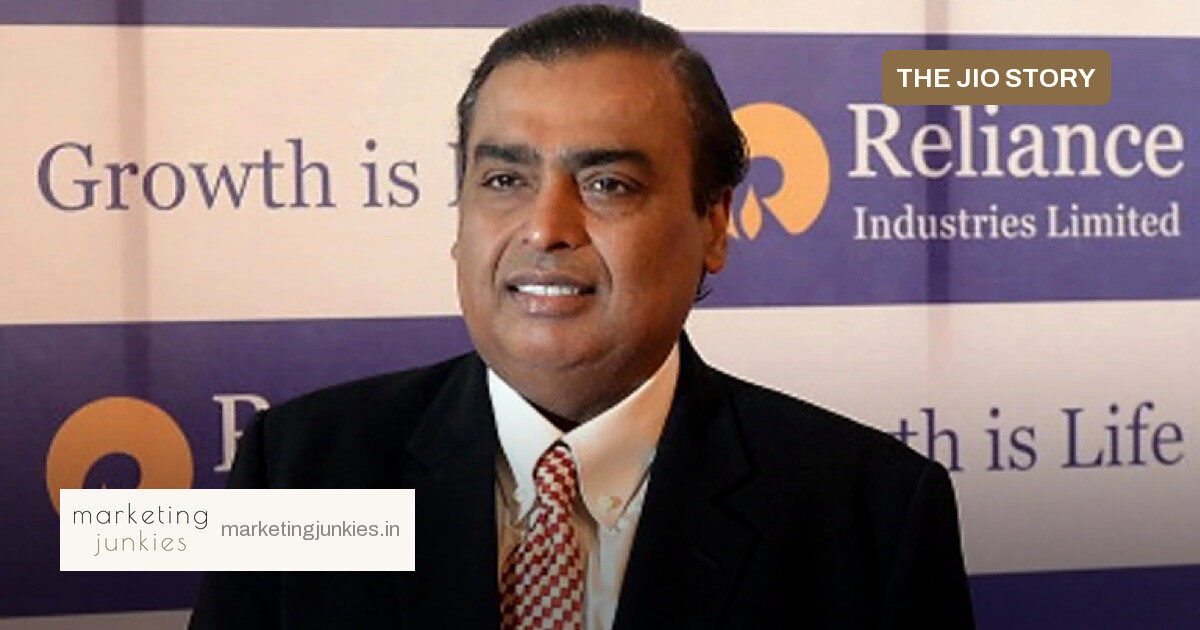
In 2016, Jio launched with the Welcome Offer, which bundled unlimited 4G data, voice, video and apps, according to Reliance Industries. Company-reported, the service reached 100 million subscribers within 170 days of launch. But the number that matters to memory is not a subscriber total. It is the story people repeat: my first video call home.
The phrase sounds personal, yet it works as a collective memory. That tension is exactly why brands build on shared moments.
Why a first becomes a shared memory
A first video call compresses a large change into one visible image. A family waves. A caller looks at the camera. The audio stutters. The image is intimate, but it is also social. It becomes a script others recognise even when they were not on the call.
Shared memories are useful because they do not require a long explanation. The frame carries the before and after: the distance, the screen, the reaction. It carries the feeling of catching up. In marketing terms, it is an emotional entry point with the context already attached.
The 2016 data moment as nostalgia
Nostalgia works best when it is attached to a specific past that people believe they lived together. The question India asked moved from how much data costs to what data can do. That shift is felt before it is measured.
The 2016 data moment works as collective nostalgia because it has a clear before and after. It has a face, a voice, a family. A brand does not have to create that memory. It only has to recognise it.
Here is what shared memory gives a brand story:
- Shared memories turn a private moment into a social script.
- They compress change into a single relatable image.
- They give later product stories an emotional entry point.
What brands can do with shared memory
The task is not to force a new shared first on every launch. It is to notice the social scripts customers already repeat. When a marketer respects the original moment, the brand becomes part of the memory instead of an interruption.
A memory is not a product spec. It is a connective detail. The brand that understands this will stop asking consumers to remember a feature and start recognising the moment they already retell.
Jio’s ecosystem today spans connectivity, entertainment, commerce, payments, devices, cloud and AI, according to Reliance Industries. But the memory that keeps the story human is still the first call. The shared first remains an anchor for a wider connected life.