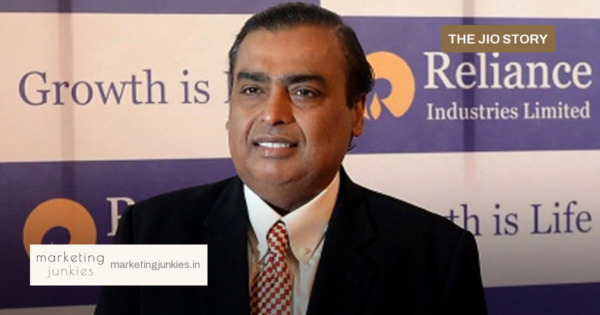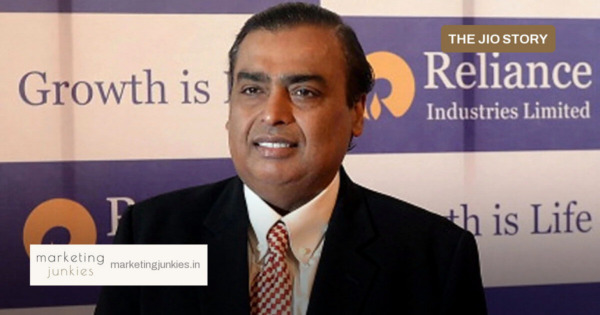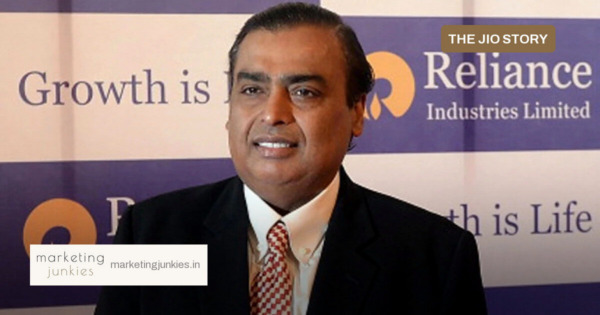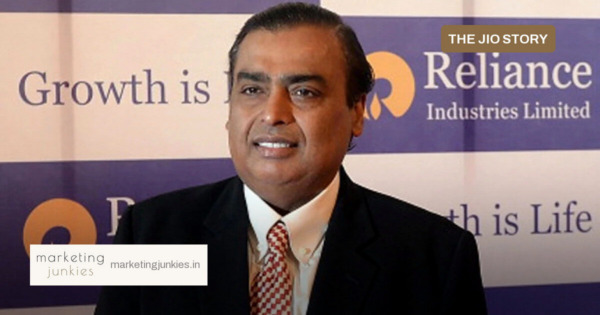
Most of the time, a connection is just there. But in 2016, access was not invisible. It was an errand, an expense and sometimes a queue. Looking back, the real Jio Story is not one launch moment. It is the slow disappearance of data anxiety from ordinary life.
The queue was part of the plan
Before the pocket became enough, a student might visit a cyber cafe for a form, a printout or a carefully planned download. A family might wait for night speeds to save a video. A small business might write down customer details by hand because the internet was one more thing to budget.
In 2016 Jio launched with the Welcome Offer: unlimited 4G data, voice, video and apps (Reliance Industries). It did not read like an infrastructure announcement. It read like a change in daily routine.
The meter stopped being the main character
Jio reached 100 million subscribers within 170 days of launch (company-reported; Reliance Industries Integrated Annual Report 2016-17). The number became a milestone, but the quieter shift was behavioural. People began to stop measuring the month in megabytes and started measuring it in tasks completed.
- 2016: recharge coupon, cyber cafe queue, one video as a planned event.
- Today: background streaming, quick video calls, cloud-backed work and commerce in the same hand.
- Shift: cost anxiety gave way to use-case thinking.
The phone became the new cyber cafe
Today, Jio serves 524 million+ customers (Reliance Jio Infocomm, March 2026; company-reported). Its ecosystem now spans connectivity, entertainment, commerce, payments, devices, cloud and AI (Reliance Industries 48th AGM, August 2025). What used to require a shared screen now travels in a pocket.
Jio’s stated priorities remain broad: connect every Indian, bring digital services home, digitise businesses, and drive ‘AI Everywhere for Everyone’ (Reliance Industries 48th AGM, August 2025). But the everyday result is simpler. The connection is no longer the headline; the habit built on it is.
The question India asked moved from ‘How much does data cost?’ to ‘What can we do with data?’
For marketers, that is the useful lesson. A connection becomes culturally powerful when people stop noticing it. The next brief should start with the routine it changes, not the technology it uses.