
The campaign
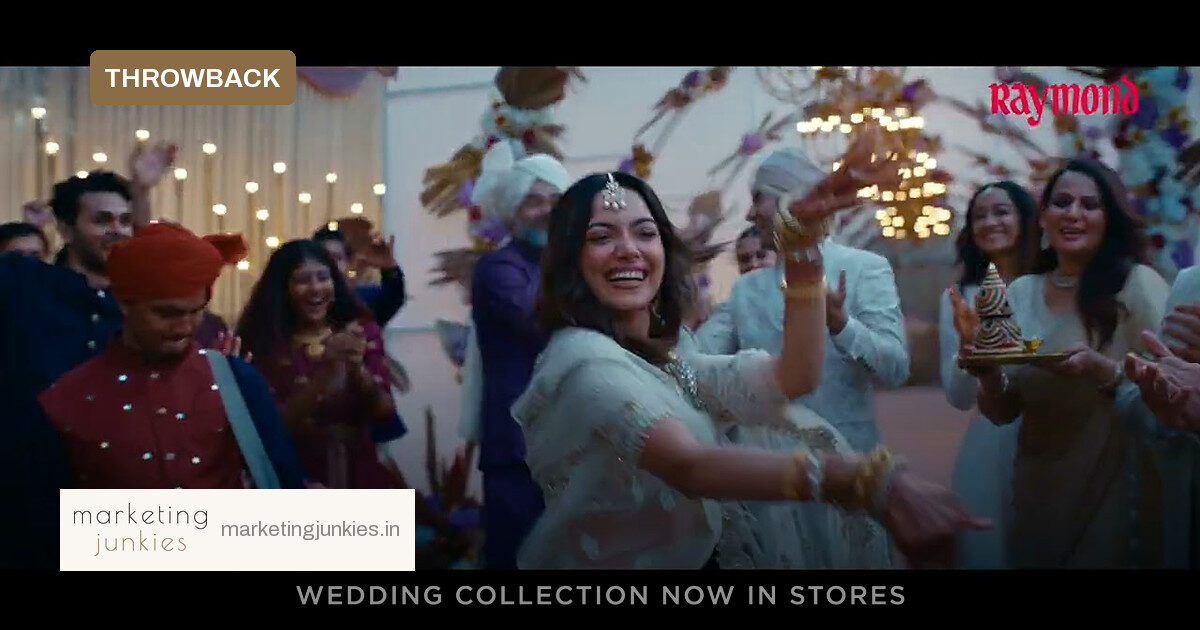
Raymond’s “The Complete Man” is one of Indian advertising’s longest-running brand platforms. Built on a single-minded idea of the modern Indian man, it has appeared in print and on television, and later in digital formats, in executions set around weddings, fatherhood and work. The wedding film is the version most audiences remember: a groom, a celebration, and a brand that refuses to make the suit the hero.
The brand was Raymond, and the category was suiting fabric. Yet the proposition was emotional. Being the Complete Man meant being polished on the outside because you were steady on the inside. The campaign gave Raymond a character, not just a slogan.
What the film said and how
The wedding film kept the product almost secondary. Its argument was not that Raymond fabric was superior in thread count; it was that a man who wears Raymond is the kind of man who shows up for others. The groom’s small acts of care—checking on family, carrying responsibilities, staying composed—became the actual pitch. The well-tailored suit simply framed that character.
It worked because the storytelling was restrained. There was no hard sell, no long list of features, and no dramatic price reveal. The tagline “The Complete Man” arrived like a conclusion the viewer had already reached.
The response it got
The campaign became a benchmark for Indian advertising. Raymond was already known in textiles, but the Complete Man gave it an emotional recall that product-led ads could not. It is credited with lifting sales and helping the brand hold a premium position in a market where suiting often competed on price.
More telling was the cultural response. “The Complete Man” became a phrase that people associated with maturity, reliability and quiet ambition, not just with suiting.
- It gave Raymond an ownable personality in a crowded textile market.
- It made consistency the brand’s creative strategy, not a media plan.
- It let product quality live inside a larger human story.
What it changed in the category
Menswear advertising in India had long leaned on product attributes: weave, finish, tailoring and occasion. Raymond moved the conversation from what a man wears to who he is when he wears it. That shift opened the door for emotional positioning in fabric and apparel.
It also changed the investment case for brand advertising. A single strong idea, maintained over years, proved more valuable than a series of disconnected product spots. Competitors soon borrowed warmth and duty-based storytelling, but Raymond’s head start became hard to copy.
Where the brand and the idea are now
The Complete Man still anchors Raymond’s communication. New executions update the settings and the actors, but the core promise remains unchanged. Raymond has expanded into apparel retail and other lifestyle plays, yet the suiting-era idea still carries the brand’s identity.
That is the campaign’s real legacy: it proved that an emotional platform can outlast product cycles, fashion changes, and even the original media formats in which it first appeared.
Watch the original: Raymond on YouTube