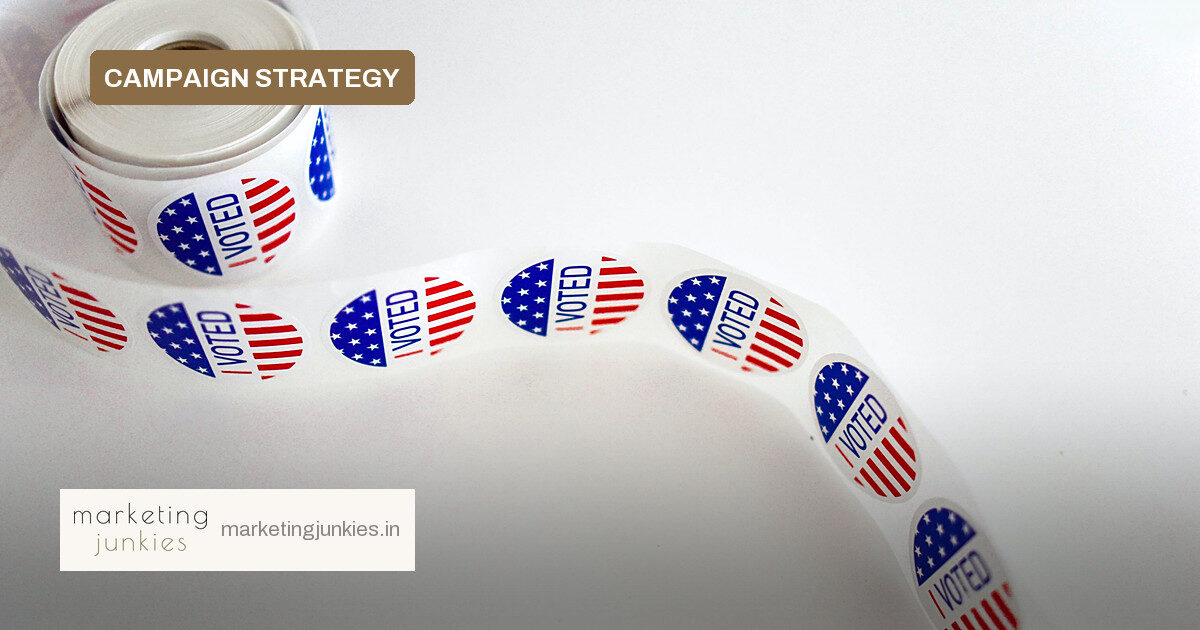
The most expensive election year in advertising history ended with a brutal lesson: record spend did not buy votes. AdImpact puts 2026 political ad spend at $12 billion, making it the costliest election cycle ever. Yet the higher spend, driven largely by Republican campaigns, coincided with major GOP losses.
That disconnect is why Adweek calls the 2026 outlay “the dumbest money spent in the history of advertising.” For marketers, it is a live case study in misjudging share of voice versus consumer sentiment.
Where late money backfired
Some of the most expensive bets did active damage. In Texas, heavy spending to support Ken Paxton created an opening for James Talarico to surge on a “Texas is not for sale” message. In Ohio, Vivek Ramaswamy’s ad featuring Amy Acton’s mother is being described as one of the worst miscalculations in political advertising history. And in Maine, Janet Mills dropped out of the Democratic primary after negative ads against Graham Platner backfired.
These were not neutral failures. They turned voter frustration into an organized counter-message.
AI creative added fuel
AI-generated political ads scaled sharply, from roughly $50,000 two years ago to at least $137 million in 2026. The Wesleyan Media Project found the spend was skewed: 81% of AI-created ads backed GOP candidates and issues, compared with 12% for Democrats. Many ads lacked disclosures, inviting negative coverage and potential Federal Elections Commission scrutiny.
What commercial marketers should take away
The core lesson is not political. Advertising cannot overcome broad-based rejection. Republicans outspent Democrats by $200 million in Texas, $100 million in Ohio and $84 million in Michigan, and still lost. When consumers turn against a category, individual brands inside it have little room to advertise their way out.
Late-stage blitzes are especially weak in informed races and mature markets. Once a brand story is fixed, an October-style onslaught mostly browbeats people who have already decided. The same principle applies to product launches and category turnarounds.
- Build awareness early, before audience sentiment hardens.
- Avoid last-minute ad saturation that creates annoyance.
- Disclose AI-generated creative and never use it to deceive.
- Watch sentiment shifts before buying more share of voice.
For marketing students and professionals, 2026 offers a controlled comparison: record spend, clear loss, and a documented rise in AI creative. The variables are unusually visible, which makes the failure instructive.
Spend like a brand, not a spigot
If the same sums had promoted snacks or mobile games, the results would likely be measurable. Political campaigns saw little return because they bought reach without a brand worth promoting. The fix is to pick companies, causes and candidates with a defensible story, invest early and treat AI as a tool for clarity, not confusion.
Source: Adweek