

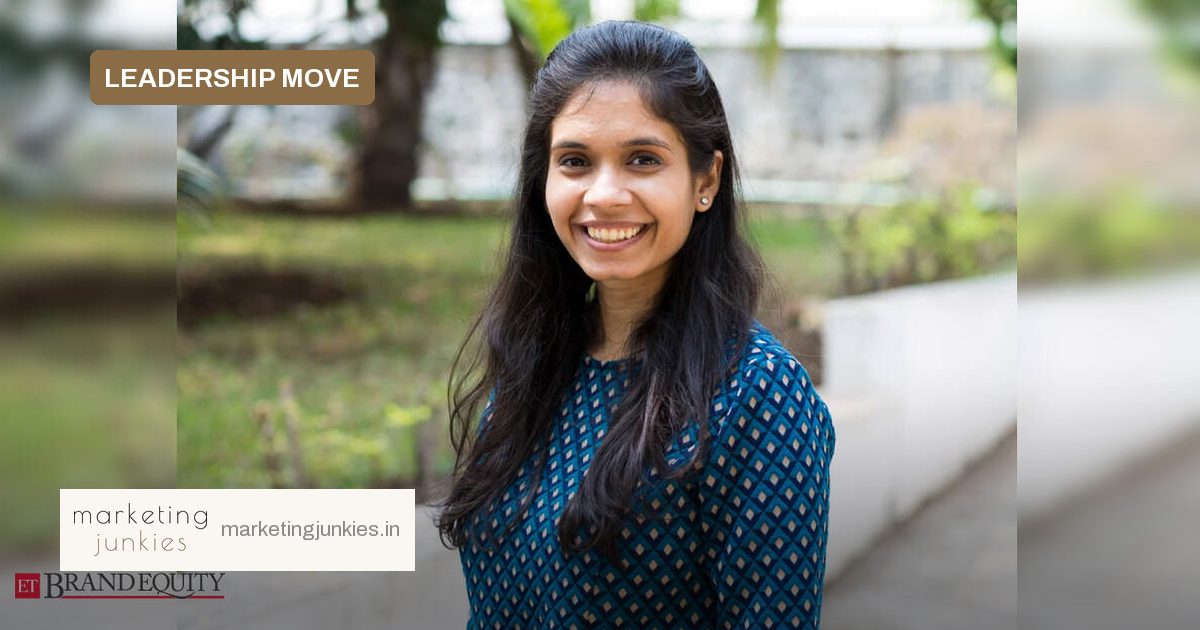
Samsonite South Asia has promoted Anushree Tainwala to chief business officer and executive director for India and the Middle East, expanding her remit to cover India, South Asia and 28 Middle Eastern markets. The move places brand, marketing, e-commerce, retail and technology under a single commercial leader.
An omnichannel leadership brief
Tainwala will now own the broader consumer and commercial agenda: brand strategy, product portfolio, marketing and communications, e-commerce, retail and in-store experience. The company has also tasked her with driving digital transformation across these functions and developing new retail formats across physical and digital channels.
- Brand strategy and product portfolio
- Marketing and communications
- E-commerce, retail and customer experience
- Digital transformation and new retail formats
- Operational and technology capability building
According to Samsonite South Asia, the expanded role reflects a search for new growth avenues amid changing consumer behaviour, product categories and sales channels.
Why this matters beyond the org chart
For marketers, this is a clear signal that brand building and commercial performance are becoming one conversation. Rather than managing campaigns in isolation, brand leaders are being asked to connect awareness, conversion and retention across every touchpoint. Tainwala captured the shift directly, saying the company needs to “rethink traditional silos” and build a business as dynamic as the consumers it serves.
She also described South Asia and the Middle East as “some of the world’s most vibrant, fast-evolving markets,” underlining why the company is grouping these high-growth regions under one leader.
The change also reflects a broader pattern in consumer goods and retail. As customer journeys blur across search, social, marketplaces, stores and owned channels, leadership roles that separate brand from demand become harder to sustain. When a single executive is accountable for both marketing and commerce, the internal incentive is to connect the two.
What marketing teams can learn
The structure points to a useful framework for any marketing organisation: treat brand strategy, e-commerce, retail experience and technology as one customer journey rather than separate departments. Set shared KPIs across brand and performance teams, design campaigns with conversion built in from the start, and use digital transformation to improve customer experience rather than just internal efficiency.
Teams can put this into practice by mapping the customer journey before campaign planning. Identify where brand messages need to support conversion, where digital channels need to reinforce store experience, and where first-party data can improve retargeting. The goal is not more channels, but a more coherent path from attention to purchase and loyalty.
For agency partners, the consolidation of marketing, e-commerce and retail under one executive may lead to more integrated briefs. Agencies that can demonstrate how creative work drives measurable business outcomes — not just reach — will be better placed. Finally, watch how Samsonite uses the India–Middle East footprint to test retail formats. The company has not shared details, but the mandate explicitly mentions new physical and digital retail formats. For marketing professionals, that is a useful reminder that distribution and experience are part of brand strategy, not separate from it.
Source: ETBrandEquity.com