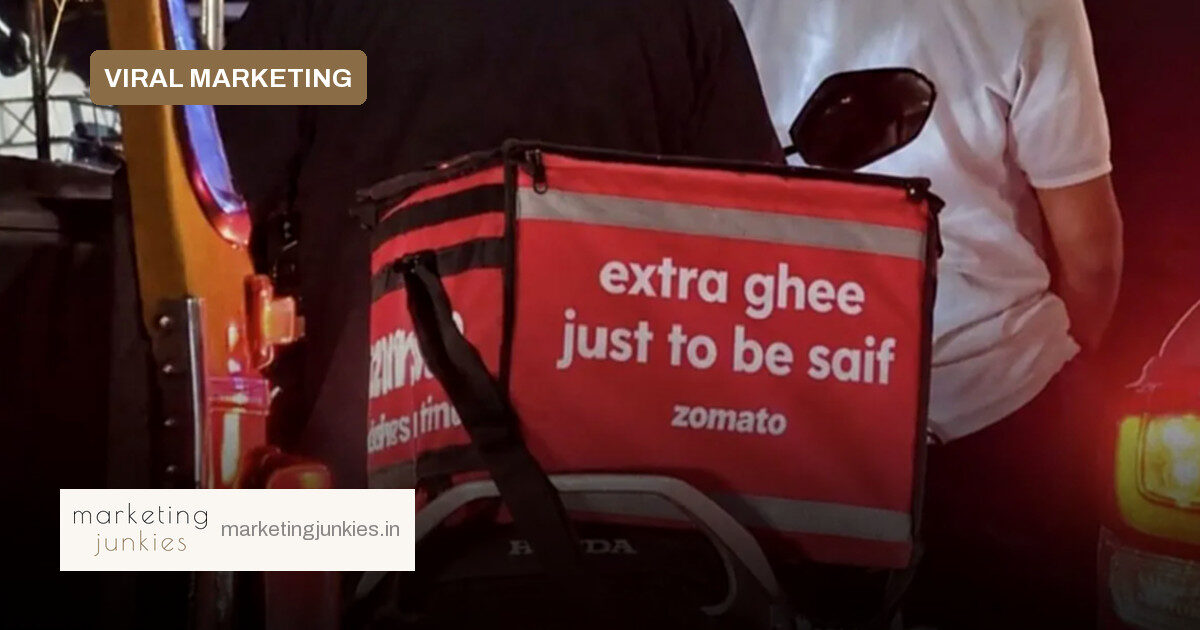
Zomato has turned its delivery fleet into a stand-up routine. The latest bag copy includes lines such as ‘extra ghee just to be saif’, ‘from the house of pakodi’ and ‘starring saunf ali khan’ — wordplay that borrows a familiar film-star name without actually naming him. There is no paid media push behind the messages; the bags are already moving through streets, and the reach compounds when someone takes a photo and shares it.
The cheap attention machine
For a delivery brand, the bag is an owned asset that was already on the road. Changing the copy is fast and inexpensive. Devarshy R. Ganguly, a strategic marketing and business leader, argues that in a crowded feed, ordinary ads stop registering. He calls a delivery bag ‘a compelling example of repurposing an operational asset into high-impact media real estate’, pointing to a rider’s all-day presence in residential and commercial areas.
Where marketers disagree
Not everyone believes the payoff is obvious. Ipshita Chowdhury, Marketing Head at Motorola, says the move is a gimmick unless it delivers outcomes. She puts it simply: ‘Virality is not equal to marketing or business success.’ Her concern: brands can latch onto a fad without measuring whether it did anything, and a celebrity reference can turn costly if the joke misses.
Gaurav Sinha, Head of Marketing and PR at Audi India, sees the opposite. He argues that when an idea lands on an owned touchpoint, packaging becomes part of the conversation and consumers carry it further. Agility, he says, gives brands an advantage — but only when the humour reflects the brand’s own personality.
The Amul test
Amul has commented on current affairs for decades, but the reason it endures is that every joke gets tied back to butter, bread and the breakfast table. The same test applies to Zomato’s lines. Puns on ghee, saunf and pakodi work only because they fold the celebrity moment back into food. If the reference doesn’t reinforce the brand, it becomes a passing internet laugh rather than brand memory.
Legal fine print
The sharper question is personality rights. Indian courts, including the Delhi High Court, have increasingly protected well-known people’s control over their name, persona and likeness. Phonetic wordplay gives a brand some room, but legal teams need to ensure the cleverness doesn’t imply an endorsement or commercial association. That is likely why the bags tweak the reference rather than name the star outright.
How to decide if it’s worth it
The practical checklist for a topical execution is short:
- Brand fit: Does the joke fold your product or category into the reference?
- Legal clearance: Has someone checked personality-rights and endorsement risk?
- Measurement: Are you tracking earned reach and salience, not just likes on a one-off post?
Ganguly frames the economics as ‘earned leverage’. The bag is the spark; the commercial multiplier comes when photos circulate on social channels, unlocking reach that would otherwise require substantial ad spend. But unless the brand defines what success looks like, it cannot know if the laugh did any work.
Zomato’s bag lines may be forgotten quickly. Whether anyone remembers them as Zomato depends on whether they sound like Zomato — and whether the brand cleared the legal and measurement hurdles before the bags hit the road.
Source: BW Marketing World