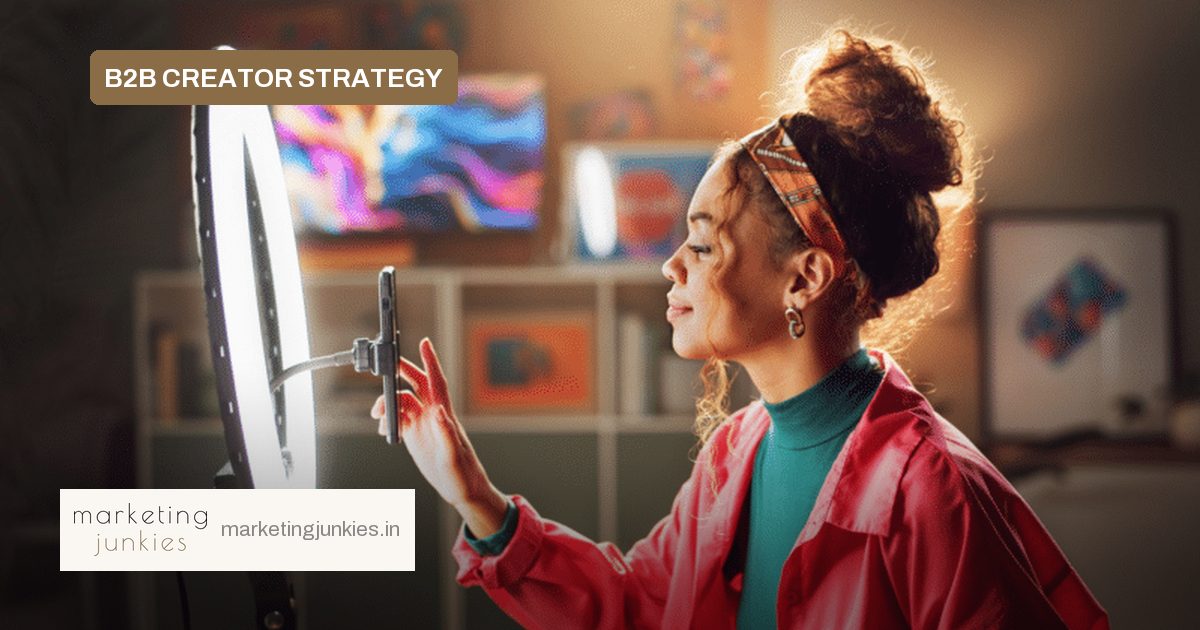
B2B marketers are betting on creator video to cut through AI-generated marketing noise and show up as a credible answer when buyers use AI tools to research products.
Creator video use by B2B companies jumped 55% over the past year and nearly quadrupled since 2023, according to creator marketing platform Billo. The reason, the data suggests, is that real people talking about what they actually know give brands something hard to manufacture: credibility.
Why credibility now matters more
That credibility travels into AI-assisted buying. IAB found that credible creator reviews increase consumer confidence in AI recommendations for 65% of consumers. For B2B marketers, this changes the goal: creator content is less about feeding a social algorithm and more about influencing what AI surfaces during research.
The trust signals are not what many brands assume. When IAB asked consumers what makes creators trustworthy enough to inform AI recommendations, a proven track record came first at 46%, followed by consistency at 40% and demonstrated expertise or product experience at 36%. A large audience or follower count sat at just 21%.
Experts beat celebrities for B2B
The same pattern appears in who consumers trust. Everyday customers sharing real experiences ranked first, followed by professional reviewers and subject-matter experts; celebrities came last.
That gives B2B teams room to move beyond traditional influencers:
- A customer can demonstrate how the product works in a real workflow.
- A practitioner can explain the problem the product solves.
- An industry expert can put product claims and comparisons in context.
None of these roles requires a massive following. Expertise and relevance matter more than reach.
Create for research, not reach
Creator content is most useful when buyers are making decisions. IAB found consumers use it to discover products, compare alternatives, narrow choices and sort through reviews. AI amplifies this: more than half of all consumers prefer AI shopping recommendations informed by creator or influencer reviews, rising to 65% among Gen Z and millennials.
So B2B teams should avoid treating creator video as feed filler. Give creators enough substance to produce product demonstrations, comparisons, implementation stories and candid discussions of tradeoffs. That gives buyers evidence instead of another sales pitch.
Sprout Social’s 2026 Influencer Marketing Report shows why the B2C playbook shouldn’t be copied directly: two-thirds of consumers made at least one purchase in the past year based directly on an influencer recommendation, yet half of marketers still cite brand awareness as a primary reason for influencer marketing, while just 24% cite direct sales and conversion.
Measure the B2B timeline
Billo found software marketers initially approached creator video like consumer advertising, expecting a short path from view to purchase. But B2B buyers may start a trial, research alternatives, involve colleagues, and return weeks later. That makes views and clicks incomplete measures; trials, signups, qualified opportunities and pipeline are better signals of whether creator content influenced outcomes beyond engagement.
The opportunity is not to add more content to an already crowded market. It is to find people with experience buyers value and give them something useful to say.
Source: MarTech