
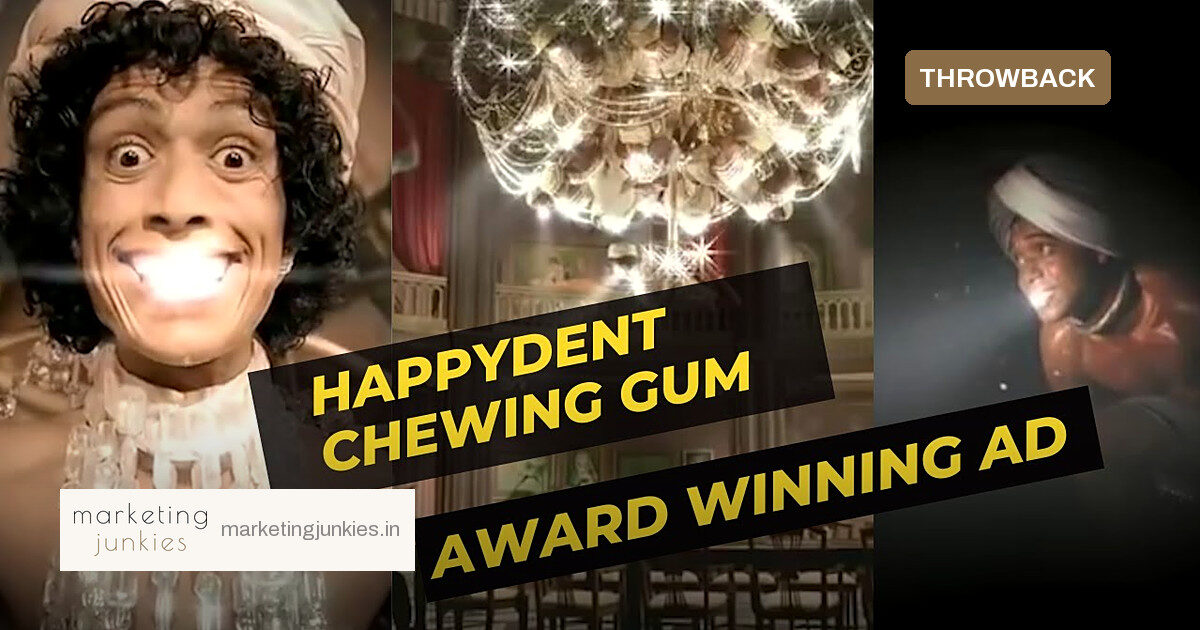
The campaign
Happydent White, the Perfetti Van Melle gum built around a teeth-whitening promise, ran the ‘Palace’ film in India. The exact year is hard to pin down; it sits in the mid-2000s, when Indian television advertising was swinging toward high-gloss, internationally competitive craft. The agency behind the film is not clearly documented in the available record. What is certain is that the ad became a reference point for visual storytelling in the country.
Happydent White was not a category leader by default. It was a functional gum in a market where freshness and flavour usually did the talking. ‘Palace’ chose not to talk at all.
What the film said and how
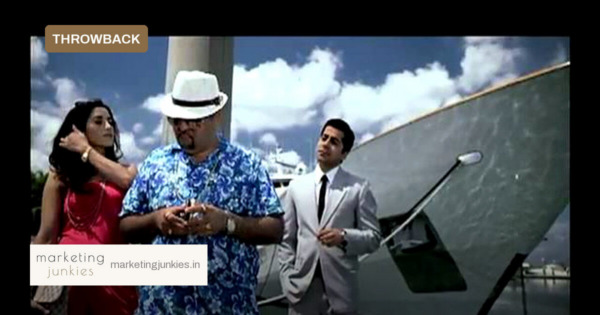
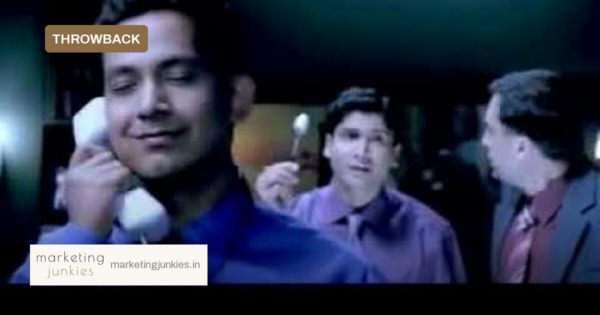
The film’s argument is simple: Happydent White makes teeth so dazzling that they can illuminate a palace. Instead of explaining the benefit, the ad demonstrates it as spectacle. The setting — a grand, shadowy palace of chandeliers, arches and waiting attendants — becomes a theatre for smiles. Teeth are treated as light sources, and every smile changes the room.
That is the whole strategy. The product is not being chewed in close-up. There is no voiceover, no jingle-led pitch and no dialogue to translate. The craft — cinematography, colour grading and sound design — does the persuading. It is pure visual proof, exaggerated far enough to be memorable but anchored in a real consumer desire: wanting visibly whiter teeth.
The response it got
The ad was shared and discussed long before Indian ads routinely chased virality. It worked as an awards submission and as a television spot, partly because the idea travelled without language. Creative teams held it up as an example of how a simple product truth could be pushed into fantasy without losing the message. The brand got credit for making a small, low-involvement product feel like an event.
- Communicated a functional benefit without a single spoken line.
- Stood out in a category busy with freshness cues and flavour bursts.
- Became a portfolio piece for the Indian advertising industry.
What it changed in the category
‘Palace’ raised the bar for how dental-cosmetic benefits could be dramatised in Indian advertising. Before it, whiteness in gum and oral care was often literal: white surfaces, white clothing, bright rooms. This film made whiteness the protagonist — an effect so powerful it transformed the environment. Later work in whitening categories, in gum and beyond, could lean on visual exaggeration rather than clinical claims.
It also reinforced a truth about the Indian market: a high-concept, dialogue-free idea could work nationally, crossing language boundaries without adaptation. That made it a quiet argument for craft-led, universal advertising at a time when many brands still produced regional variants of the same script.
Where the brand and the idea are now
Happydent White remains part of the Perfetti Van Melle stable, though the brand’s centre of gravity has shifted as the chewing-gum market has matured and oral-care marketing has moved toward fresh breath, sugar-free claims and everyday formats. The Palace film has not aged into irrelevance; it survives in advertising conversations, classroom references and throwback lists as proof that a single visual idea can carry a product message further than a line of copy.
The lesson has outlived the media plan: if the benefit is visual, make the visual the whole story.
Watch the original: Happydent White on YouTube