
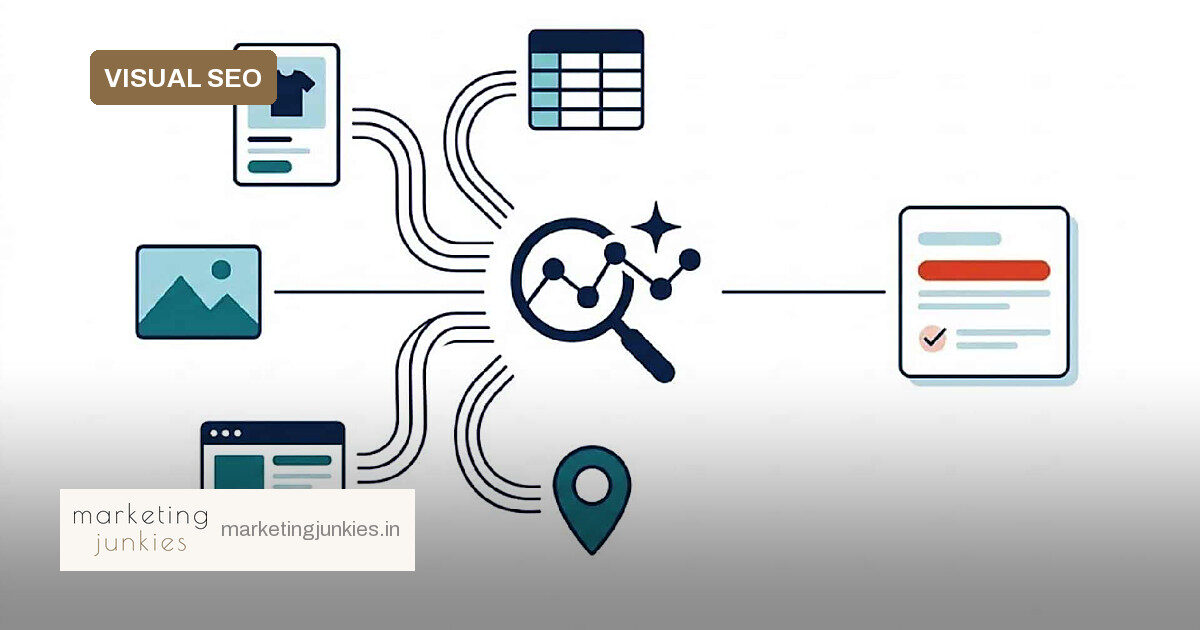
Images and videos have always mattered for search. What has changed with AI is that a visual is no longer just a ranking asset. It is an input that systems interpret, connect to entities, and use to decide whether a brand should be recommended. Marketers now need a visual SEO strategy built around relationships, not individual files.
Visual search has become a multimodal layer
Google Lens processes more than 25 billion visual searches a month, with one in five showing commercial intent. Those searches move beyond image matching. AI can recognize objects and attributes inside a scene, understand how they relate, and run several retrieval steps before forming an answer.
For a marketer, that means a single product photo can communicate material, color and use case; a hotel image can signal room type, view, amenities and setting; a restaurant shot can convey cuisine, dishes and dining occasion. The visual carries more information than its subject alone.
The unit of optimization is changing
Traditional image SEO still matters: crawlability, filenames, alt text, captions, transcripts, surrounding content and structured data. But these signals now serve a larger purpose: reducing ambiguity. AI must align three versions of the same thing: what the brand intends, what the customer sees, and what the machine understands.
“The unit of optimization is shifting from the individual image to the relationship around it,” as the MarTech contributor puts it.
When the picture, page and structured data disagree, AI has to resolve the conflict itself. At that point, the outcome is no longer in the marketer’s control.
Five signals to get right
The framework outlines five must-haves for visual AI search readiness:
- Entity consistency: connect every asset to the correct product, property, event or location, and reinforce that with structured data, feeds and listings.
- Image and attribute depth: use original imagery that shows the attributes customers care about and AI can recognize.
- Content alignment: keep page copy, headings, filenames, alt text and captions telling the same story as the visual.
- Freshness and multi-location consistency: update prices, availability, inventory and imagery together, especially across locations.
- DAM governance: make the digital asset management platform the source of truth for versions, rights, entity association and AI-edited status.
The governance layer matters more as generative AI makes visual content easier to produce. More assets can mean more conflicting versions of the same room, product or restaurant. A DAM should be able to answer one question reliably: which asset is authoritative for this entity right now?
What marketers should do next
Start with a diagnostic. Pick one high-intent category, such as a hotel property or product line, and audit every signal tied to its visuals. Check structured data, alt text, page copy, feeds and third-party listings for mismatches. Then fix the entity relationship before producing more imagery.
The brands best prepared for AI search will be the ones that create the clearest connection between what people see, what AI understands, and what customers need to do next.
Source: MarTech