
India’s ice cream category is outgrowing its old identity as a summer treat sold in metros. A new IMARC study, commissioned by Tetra Pak, projects the market will reach Rs 575.33 billion by 2033, expanding at a compound annual growth rate of roughly 11% between 2025 and 2033.
For marketers, the more interesting story is not the size of the prize but the shift in when, where and why Indians are buying ice cream — three variables that change how brands should plan media, packaging and pricing.
Premium is no longer a metro-only game
The report points to premium consumption spreading into Tier-2 markets including Ahmedabad, Jaipur, Chandigarh and Indore. That widens the addressable base well beyond the top metros, and it also complicates the neat old segmentation of “premium for metros, value packs for the rest”.
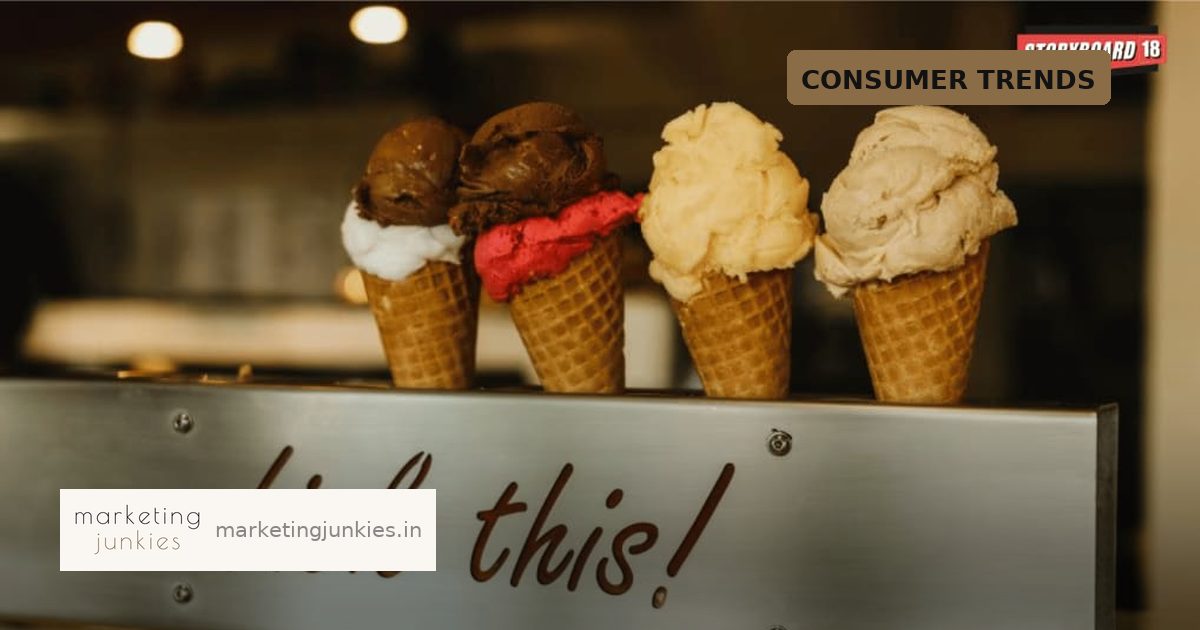
Consumers are asking for more differentiated products: natural ingredients, artisanal formats and distinctive flavours. Indian flavour profiles are winning acceptance at the premium end — Alphonso Mango, Paan, Kesar Pista and Tender Coconut among them. In other words, premiumisation in India is not a straight import of Western cues; it is local taste dressed in better craft and better storytelling.
On the geography of demand, Maharashtra remains the largest organised market at nearly 15% of category value, followed by Uttar Pradesh, Karnataka and Gujarat.
From flavour wars to experience design
Chocolate is expected to be the fastest-growing flavour through 2033, ahead of vanilla and mango. But the report suggests flavour alone is becoming a weak differentiator. Brands are leaning into layered fillings, crunchy inclusions, chocolate coatings and contrasting textures — building products that are experiential rather than simply cheaper or novel.
That is a familiar pattern for anyone who has watched Indian snacking and beverages evolve: once flavour parity arrives, competition moves to format, texture and occasion.
Health and indulgence stop being opposites
Low-fat, low- and no-added-sugar variants and nutrient-fortified products are expected to gain traction, while premium players push into high-protein, vegan, probiotic and natural-ingredient ice creams. The report frames this as part of a wider shift across India’s food and beverage sector, where consumers want healthier options without surrendering taste.
The messaging implication is worth noting. “Guilt-free” as a claim is crowded and increasingly distrusted. Brands that win here will likely lead with the indulgence and treat the health credential as a reason to feel good about the second scoop, not as the headline.
Quick commerce is the structural change
The biggest shift flagged in the study is quick commerce. Better cold-chain infrastructure and on-demand delivery are making ice cream available all year, loosening the category’s dependence on summer and traditional occasions. With delivery in minutes, ice cream becomes an impulse-led, spontaneous purchase.
That has real consequences for marketing plans:
- Media calendars flatten. If demand is no longer concentrated in March–June, always-on presence starts to matter more than seasonal bursts.
- Search and shelf visibility on apps become the new point of sale. Keyword ranking, pack imagery and ratings on delivery platforms now do the work a freezer cabinet used to do.
- Occasion-based creative pays off. Late-night cravings, weekend binge-watching and small celebrations are addressable moments that a summer campaign never targeted.
- Pack architecture needs rethinking. Single-serve and shareable tubs behave differently in impulse delivery baskets than in a grocery run.
- Tier-2 targeting deserves premium creative, not recycled value messaging.
What to watch
A useful way to read the category is a simple three-way filter: product experience (texture, inclusions, format), consumer permission (health, protein, no added sugar) and availability (quick commerce, cold chain). Growth over the next few years will likely come from brands that move on all three at once rather than betting on one.
For agencies and brand teams, the takeaway is straightforward — ice cream is quietly turning into a year-round, app-first impulse category with a premium tail in smaller cities. Plans built on the old summer playbook will leave a lot of that Rs 575 billion on the table.
Source: Storyboard18