
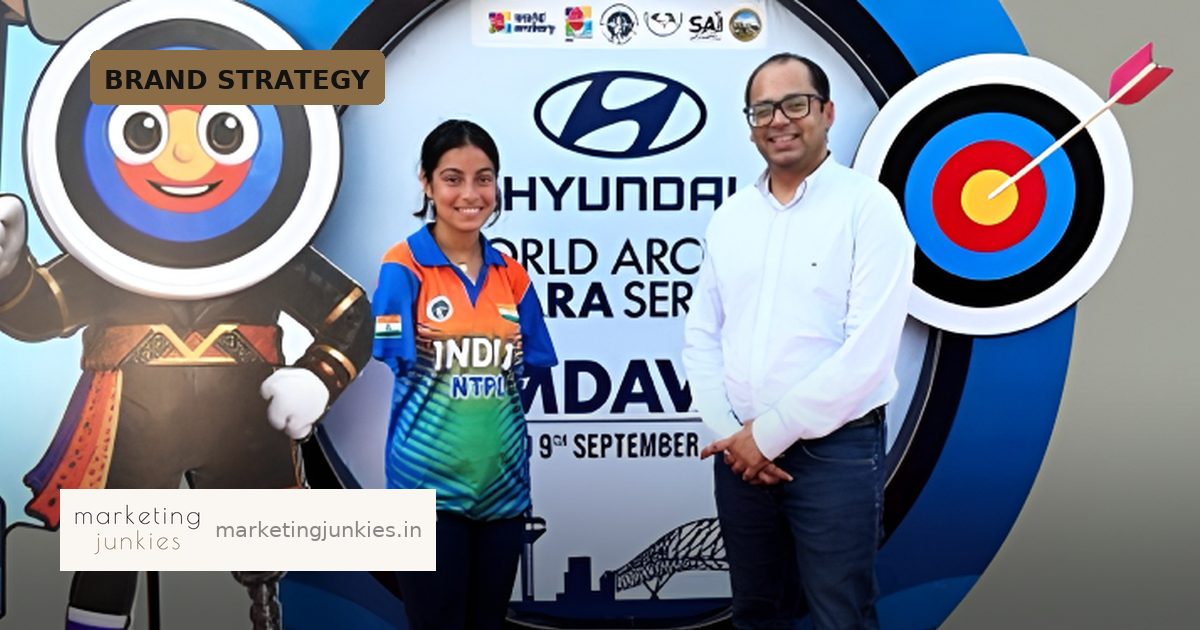
Hyundai Motor India Limited (HMIL) has appointed Arjuna Awardee and World No. 1 para archer Sheetal Devi as its brand ambassador, formalising a relationship that began three years ago and signalling a sharper focus on inclusion, accessibility and empowerment through sport.
The Gurugram-headquartered automaker said the 19-year-old athlete will work with the brand across purpose-led marketing campaigns, accessibility programmes, inclusion initiatives and social impact communication, all tied to Hyundai’s global positioning line, “Progress for Humanity”.
Who Hyundai has signed
Sheetal Devi is currently the World Champion and World No. 1 in para archery. She is a Paralympic medallist, a two-time world record holder and an Arjuna Awardee, and has won three Asian Games medals. She is also the first Indian para-archer to be picked for an able-bodied national team.
She comes from Loidhar village in the Kishtwar district of Jammu & Kashmir, and her rise has made her one of the most recognisable faces in Indian para-sport.
Importantly, this is not a cold signing. Hyundai has backed Devi since 2023 through its Samarth by Hyundai initiative, which means the brand association has run parallel to her competitive ascent rather than arriving after it.
What the two sides said
Tarun Garg, Managing Director & CEO, Hyundai Motor India Limited, described Devi as “a symbol of what human determination can achieve when barriers are replaced by opportunities”, adding that the partnership is intended to spark conversations around inclusion, accessibility and equal opportunity.
Devi said she “deeply” values the trust the brand has extended to her, and pointed to a shared belief in perseverance and inclusion, saying she looks forward to contributing to initiatives that encourage people to believe in their abilities.
Why this matters for marketers
Auto brands in India have historically leaned on film stars and cricketers for mass reach. The shift towards para-athletes and Olympic-sport athletes reflects a different calculation: lower celebrity clutter, stronger narrative equity, and a credible route into purpose territory that consumers increasingly interrogate.
Three takeaways for brand and communications teams:
- Longevity beats launch. Hyundai’s 2023 start point through Samarth gives this announcement a backstory. Ambassadorships announced without any prior investment tend to read as media buys rather than beliefs.
- Purpose needs delivery mechanisms. The release lists accessibility programmes and inclusion initiatives alongside campaigns. Purpose platforms fail when the only output is a film.
- Category fit is doing work here. Mobility, accessibility and independence are naturally adjacent. An ambassador story lands harder when the athlete’s cause maps to what the product actually does.
The wider context
India’s para-sport visibility has climbed sharply since the Tokyo and Paris Paralympic cycles, and sponsors have followed. For marketers, the opportunity is less about reach numbers and more about association quality — an athlete like Devi brings a story that most scripted brand films struggle to manufacture.
The risk, equally, is tokenism. If a brand signs a para-athlete and then puts them only in a one-off Independence Day or Paralympics-window post, audiences notice. The test for this partnership will be what shows up in Hyundai’s marketing calendar between tournaments — in dealership accessibility, product communication and year-round content, not just in medal moments.
What to watch next
Expect the first campaign work under the expanded association to build on the Progress for Humanity narrative, with accessibility and representation as the central themes. For agencies pitching purpose platforms, this is a useful reference case: a multi-year athlete relationship converted into an ambassadorship, rather than an ambassadorship hoping to become a relationship.
Source: MediaNews4U