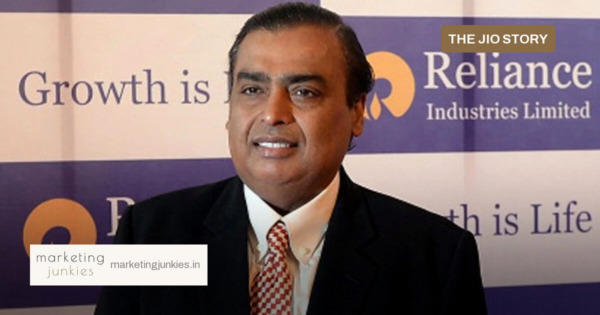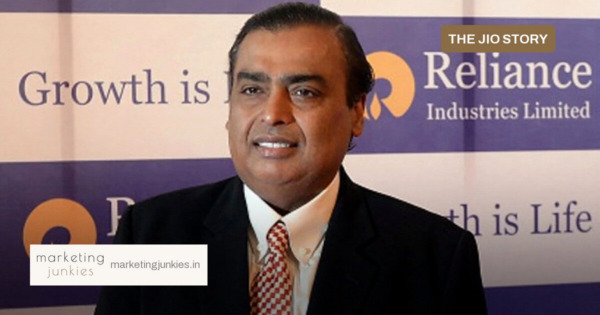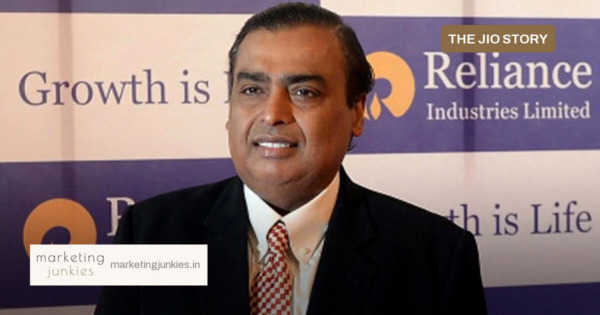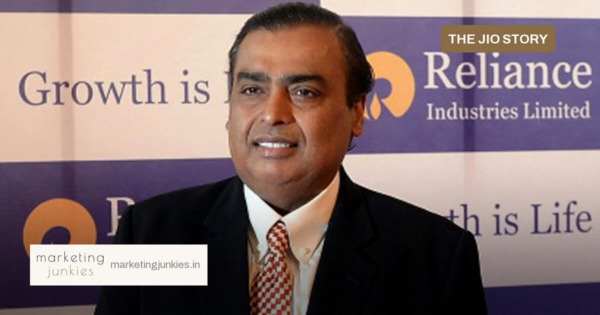

Every marketer wants a moment. Few plan for a memory. In a category often measured in speeds, tariffs and daily caps, the images that stayed from India’s 2016 data reset were not price charts. They were people holding a phone for a first video call home, siblings crowded around one screen, a shopkeeper switching on a hotspot for a neighbour.
That is the useful difference between usage and belonging. Usage is a behaviour. A memory is a story someone chooses to retell.
A launch becomes a memory when it belongs to everyone
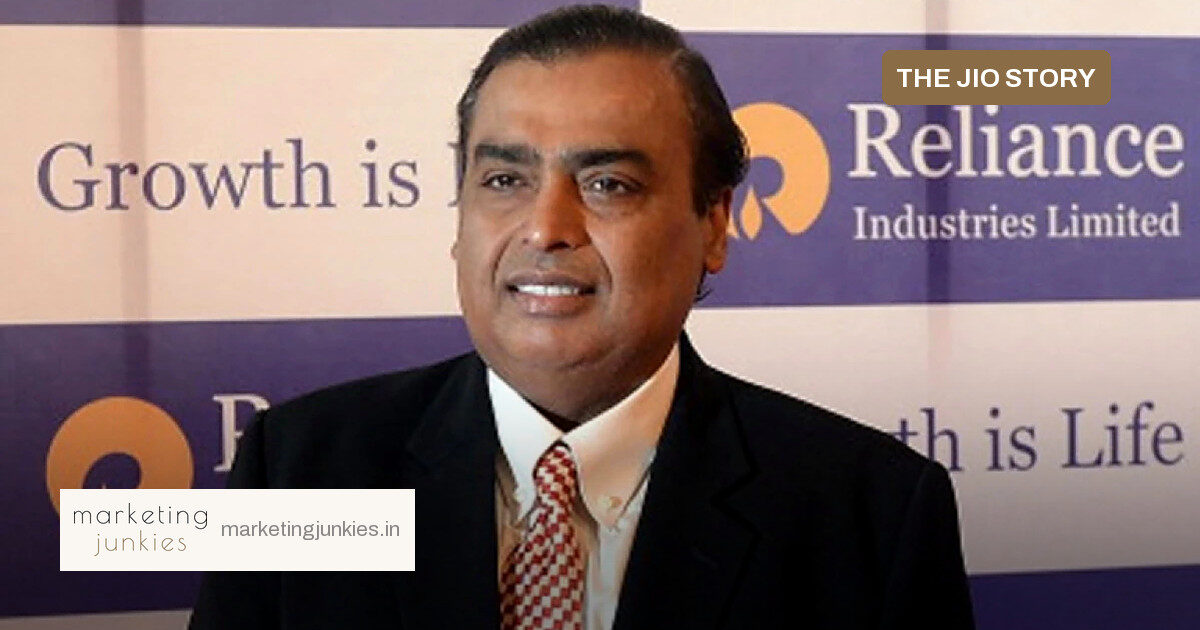
In 2016, Reliance Industries reported Jio launched with the Welcome Offer: unlimited 4G data, voice, video and apps. The functional change was a shift from rationed access to always-on connectivity. The psychological change was the creation of a before-and-after that felt personal.
The question India asked moved from “How much does data cost?” to “What can we do with data?” For many, the first answer wasn’t productivity; it was presence. A grandparent’s face on a screen, a class after a missed lecture, a festival stream in a shop. Those moments were not accessories to the offer—they were the point of it.
Why collective nostalgia does the heavy lifting
Collective nostalgia works because it is both cultural and personal. A shared memory lets someone say “my first video call home” and know that millions of others can finish the thought without hearing the details. That combination is rare in marketing because most brand moments stay either public or private, not both.
- Shared triggers. The same small rituals—calling home, sharing a hotspot, streaming a finale—became reference points across regions.
- Emotional firsts win. People forget latency and data caps far more easily than the first face on a screen.
- Permission to retell. A shared memory gives users a story they can pass on without having to sell the brand.
What shared memory allows a brand to do
When a launch becomes shared memory, it ceases to be a claim and becomes infrastructure. People do not defend infrastructure; they rely on it and build routines around it. A brand can then extend into new services without having to argue for relevance every time.
The company-reported scale of 100 million subscribers within 170 days of launch matters less as a number and more as evidence that the memory was portable—it travelled quickly because people wanted to retell it. Today the base is 524 million+ customers, Reliance Jio Infocomm reported in March 2026. Jio’s ecosystem now spans connectivity, entertainment, commerce, payments, devices, cloud and AI, according to Reliance Industries’ 48th AGM in August 2025.
Build the conditions for memory, not the claim
Brands cannot manufacture nostalgia on demand. They can design the conditions that make shared memory more likely: a clear before and after, a visible first use, and small rituals that repeat. Then they can stay in the background and let users do the telling.
For marketing readers, the lesson is softer than a funnel. Before asking how fast a campaign converts, ask what someone will remember doing for the first time—and who they will tell.