
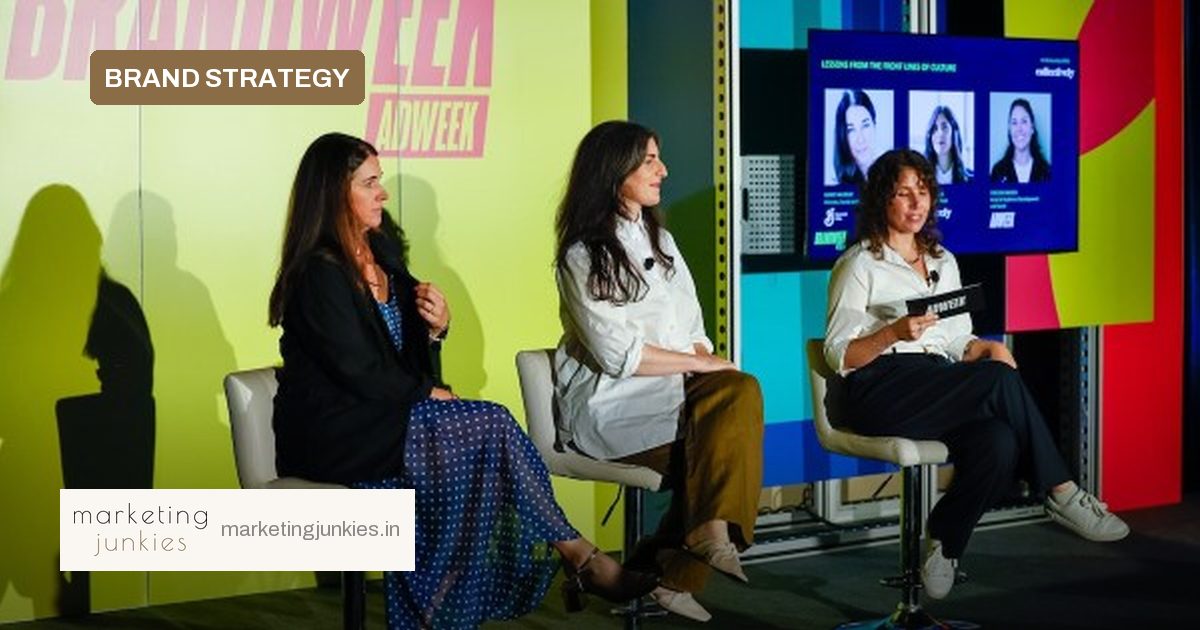
Cultural moments now move faster than most approval workflows. At Brandweek 2026, a fireside chat co-hosted with Collectively brought together agency and brand leaders to unpack how marketers can engage in culture without looking forced.
Culture starts with what people are already doing
Natalie Silverstein, chief innovation officer at Collectively, framed culture as “what people are talking about unprompted by brands.” It is often sparked by a TV show, meme, or TikTok trend, then amplified by everyday creativity in online spaces.
That definition matters because it flips the typical marketing question. Instead of asking “How do we insert ourselves into the conversation?” the better starting point is “Do we have permission to be here?”
How Lucky Charms found permission
Mindy Murray, director of social and content at General Mills, shared a useful example. Lucky Charms had become a recurring theme in sorority bid-day celebrations. Rather than forcing a standard promotion, the team built a giant Lucky Charms display for the Kappa Delta chapter at the University of Arkansas.
“We added the value for them by making that day magical, and then the girls spoke for us,” Murray said. The brand did not put paid support behind the activation.
That is the key test: if the community will carry the message on its own, the cultural fit is probably real.
Avoiding cringe by knowing your brand
Cultural engagement can backfire when a brand joins a conversation it has no reason to enter. Murray said the guardrail is brand ethos: know the personality, know the boundaries, and be honest about which conversations are not for you.
Silverstein added that speed matters, but so does taste. A smart comment can feel effortless; a forced one can be “really cringe.”
A pre-jump checklist for culture moments
- Permission: Is the culture already referencing your brand or category, or can you genuinely add value?
- Ethos: Does the moment match your brand personality and tone?
- Speed: Can you act while the conversation is still live?
- Amplifiers: Will creators or community members carry the story without paid support?
- Risk plan: Do you have a cross-functional team ready to assess risk, reward, and rapid response?
Calculated risk beats boring
General Mills uses a SWAT cross-functional team that includes legal, brand management, corporate comms, reputation, and social leads. The group asks what the risk is, what the reward is, and what quick action they would take if something goes wrong.
Silverstein said the alternative is worse: “I don’t think that audiences are rewarding brands for being boring.” The winning work is often unexpected, and some level of risk is part of entering that space.
The takeaway for marketing teams is not to chase every trend. It is to build a fast, honest process that says yes to the right moments and no to everything else.
Source: Adweek