
Telluride Film Festival pulled off a rare feat this year: a genuine surprise. On Sunday night, audiences walked into a 650-seat theatre with their phones locked away, knowing almost nothing about the film they were about to watch — only that it ran close to three hours, had never screened anywhere, and that the people who made it were sitting in the room with them.
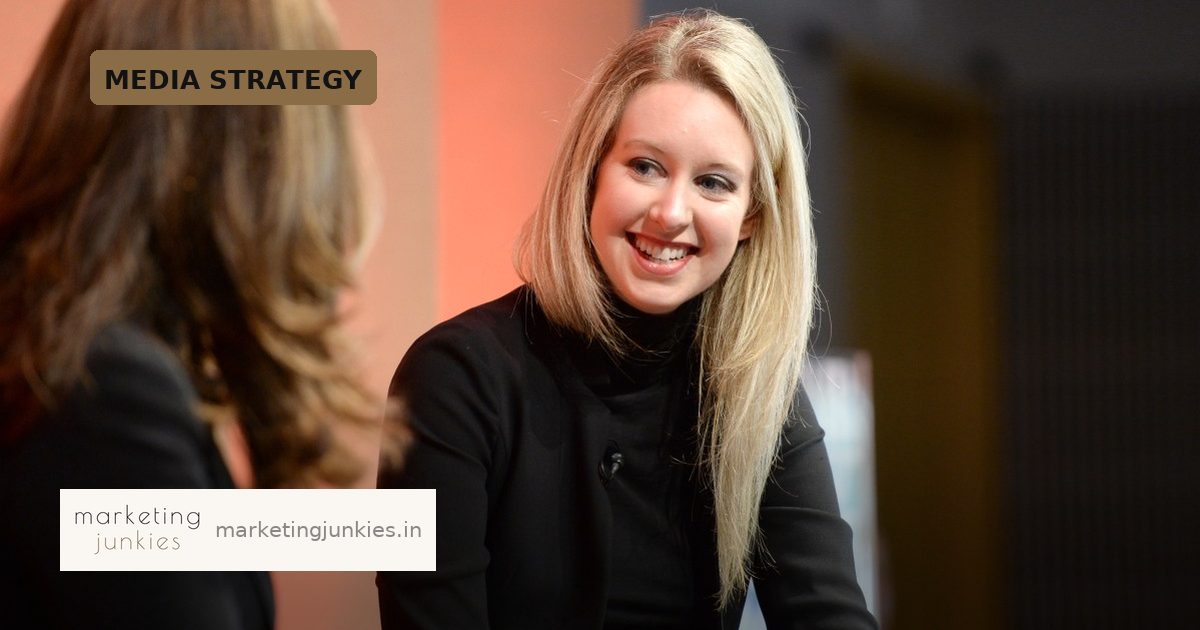
What they got, according to reporting by The Hollywood Reporter cited by TechCrunch, was a new documentary about Theranos founder Elizabeth Holmes, co-directed by Nathan Fielder and Lance Oppenheim. It is titled You Can See Everything, and A24 is set to release it in October.
What the film covers
The documentary reportedly follows Holmes and her husband, Billy Evans, during the 34 days before she reported to federal prison in May 2023 to begin an 11-year sentence for defrauding investors about her blood-testing technology. Fielder is said to have lived in the couple’s guest house while filming — an unusual level of access for a subject at the centre of one of the most scrutinised fraud cases in tech.
Holmes’ legal route has since narrowed. Her appeals to overturn the conviction and reduce her sentence were rejected in February of last year. She later petitioned President Trump for a commutation; that clemency request remains listed as pending. Part of the early buzz around the film also involves an A-list actress who becomes part of the story itself.
Why marketers should care about the rollout, not just the subject
Strip away the Theranos storyline and this is a masterclass in scarcity-led launch marketing. A24 and the festival did the opposite of what most content owners do: no advance synopsis, no press embargo drip, no trailer-first tease. They created an information vacuum and let the room fill it.
The mechanics are worth studying because they are transferable to product launches, brand films and even event marketing:
- Manufactured mystery. Telling people what they won’t know — runtime, creators in the room, never screened — is often more compelling than telling them what they will get.
- Phone-free rooms. Locking away devices does two things: it protects the asset from leaks, and it makes attendance itself the scarce commodity. Nobody could watch it secondhand.
- Word-of-mouth as the first media buy. Because no one could post clips, the only distribution channel was people talking. That is the cheapest and most credible reach a launch can buy.
- Creator equity. Fielder and Oppenheim bring built-in audiences and a distinctive point of view. The film is pre-sold on authorship, not just subject matter.
- Timing the news cycle. With a clemency petition still pending, the story has an unresolved thread — which keeps it live through an October release window.
The tension every brand runs into
Secrecy only works if the payoff justifies it. A surprise premiere that underwhelms turns hype into backlash within hours. That is the same risk marketers take with teaser campaigns, unbranded pre-launch films and “coming soon” microsites: you are borrowing attention against a promise you have to keep.
The second tension is ethical rather than tactical. Building a marketing campaign around a convicted fraudster invites the question of whether the storytelling clarifies or launders. Brands attaching themselves to true-crime and founder-scandal content — through sponsorship, podcast integrations or licensed formats — should be clear-eyed about which side of that line the property sits on before a media plan goes live.
What to take away
For Indian marketers, the transferable idea is not “do a secret screening.” It is that in a market where every launch is over-briefed and pre-leaked, controlled withholding is a genuine differentiator. Ask what one piece of information you could hold back to make the reveal worth showing up for — and then make sure the reveal earns it.
Source: TechCrunch