
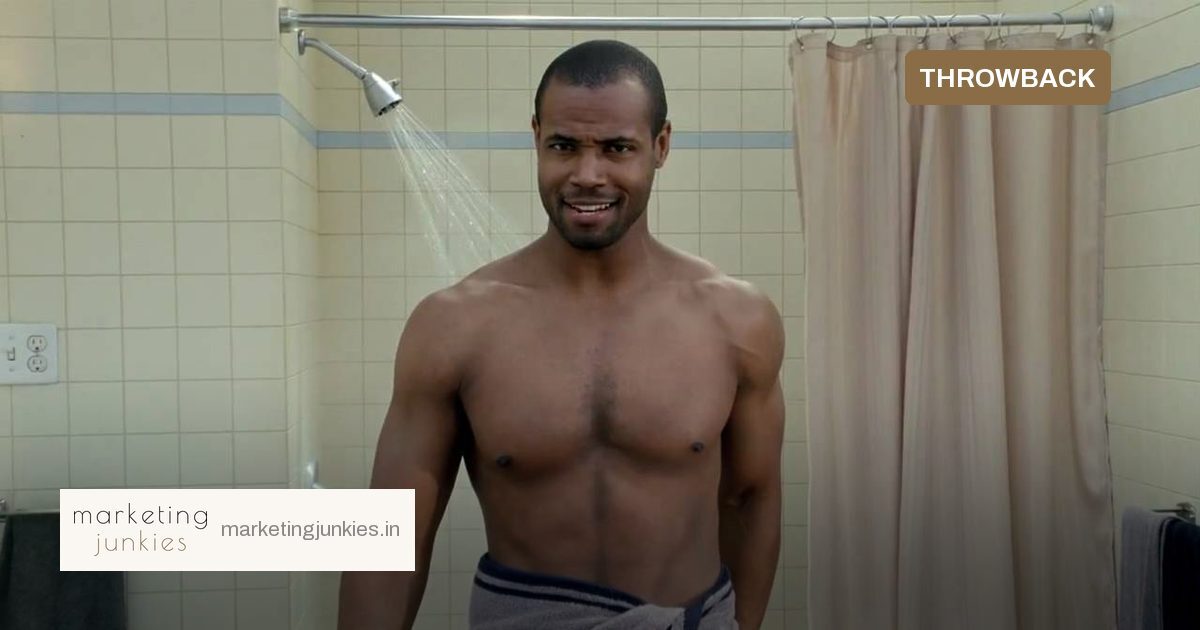
In February 2010, Old Spice launched “The Man Your Man Could Smell Like” during the Super Bowl. Created by Wieden+Kennedy Portland and starring actor Isaiah Mustafa, it introduced a towel-clad spokesman delivering a rapid, absurdly confident monologue to women. That July, the brand extended the idea into a digital response format in which Mustafa answered comments from fans and internet personalities in short, quickly produced clips.
Why it worked
The campaign worked because it split the message without splitting its identity. The character talked to women, but the humor was broad enough for everyone. The claim was simple: using Old Spice body wash could make any man smell like this impossibly confident figure. That gave the product a clear job without needing a clinical feature list.
The address was also a choice. By speaking directly to women, Old Spice acknowledged that in many households, body wash purchase decisions were not made by the target user alone. That insight made the ad feel like relationship advice rather than a men’s grooming lecture.
It also arrived with a format built for the internet. The monologue was dense with non sequiturs, but the production was lean: one actor, one direct-to-camera voice, and a tone that mocked old-school masculinity while still selling it.
- A repeatable character made the campaign portable across TV, social feeds and reply videos.
- The joke was on the brand’s own category clichés, which made it shareable instead of preachy.
- Rapid production let the campaign behave like a conversation, not a media schedule.
What it did for the brand and the culture around it
Old Spice was largely seen as a legacy deodorant brand before the campaign. The spot turned it into a body wash contender and a social media case study. P&G reported triple-digit percentage growth for Old Spice body wash in the months after the launch; the figure most often cited is 107%.
The July response push became its own story. Instead of announcing a sequel, the brand produced dozens of short clips in a matter of days, turning comments into distribution. That made the campaign feel alive long after the Super Bowl buy had ended.
Culturally, it raised expectations. Audiences began to see brands less as broadcasters and more as accounts that could respond in character, at speed. It also helped make the “brand character” a staple of social strategy, from Wendy’s Twitter voice to modern creator-led campaigns.
What a marketer should take from it today
The lesson is not that every brand should reply to comments within minutes. Old Spice could move fast because the creative system was already in place: the actor, the voice, the set, the joke and the direct address were fixed. Speed was an output, not a strategy.
- Build a repeatable format before you need to be fast.
- Let the character’s point of view do the selling; keep product details secondary.
- Track cultural response—parodies, references, replies—alongside sales.
Fifteen years on, the campaign still works as a reminder that a strong character and a disciplined format can turn a single ad into an operating system.
Watch the original: Old Spice on YouTube