
The campaign
In 2008, Tata Tea and Lowe Lintas launched Jaago Re, a 45-second film built around one simple imperative. The brand wanted to move beyond the usual tea cues of freshness and family, and landed on a social truth: many young, comfortable consumers were sleeping through their responsibilities as citizens.
The film was part of a wider election-season push that included a voter-registration drive. The line was the campaign’s centre: Jaago Re.
What the film said and how
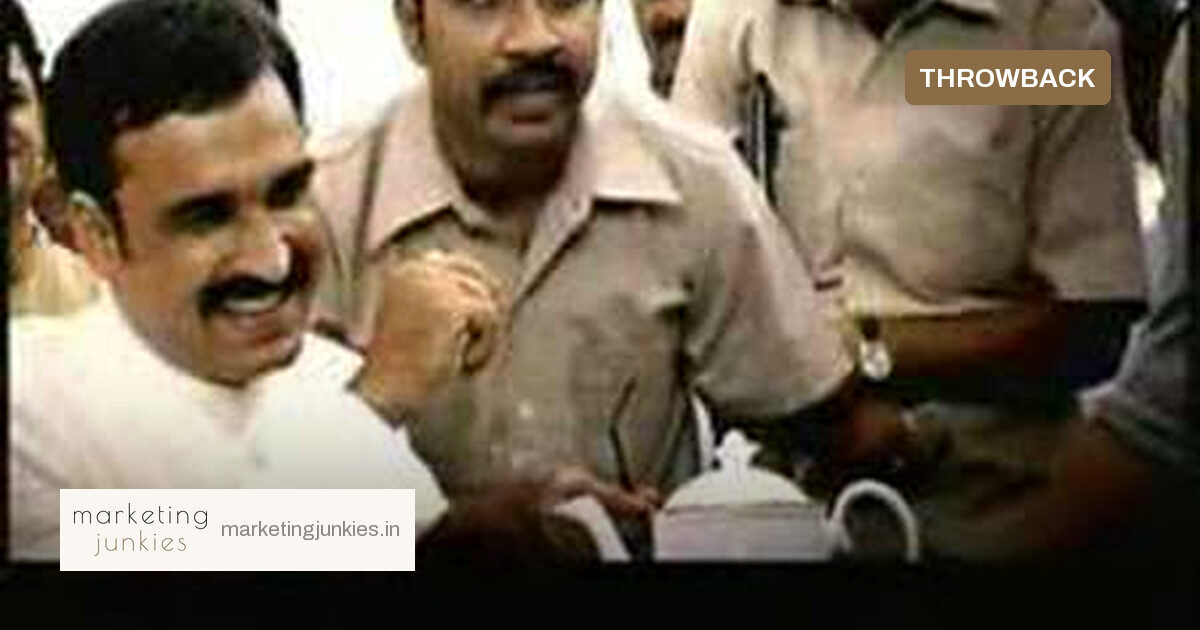
The film did not sell a new blend or a flavour note. It sold waking up. It opens with a young person being asked to wake, and the sleepy reply is a request for tea. That half-conscious moment becomes the hinge: a voice pushes the sleeper, and the viewer, to wake up to the things happening outside the bedroom.
- It borrowed a functional product truth: tea is the first wake-up call of the morning.
- It tied that truth to a specific civic action: register to vote, not just feel concerned.
- It stayed close to a single, repeatable word that worked as a tagline and a command.
The craft was deliberately quiet. No celebrity, no noisy soundtrack. The film leaned on dialogue and rising tension, which let the message land as a conversation rather than a lecture.
The response it got
Jaago Re became one of India’s most talked-about campaigns of its year. It collected creative and effectiveness recognition across Indian award shows, and the voter-registration drive gave the campaign a measurable call to action beyond brand lift. First-time voters signed up through on-ground and digital activations, and the line entered popular vocabulary as shorthand for civic awareness.
The brand’s marketing team credited the platform with changing how Tata Tea was perceived: from a daily commodity to a brand with a point of view. It also gave Lowe Lintas a flagship case for the idea that an FMCG brand could carry a social movement without sounding opportunistic.
What it changed in the category
Before Jaago Re, Indian tea advertising usually stayed close to taste, freshness and family approval. The campaign opened a lane for purpose-led marketing in everyday categories. Brands began asking not only what product they sold, but what social tension they could own.
The campaign also changed the grammar of cause advertising. It paired the cause with an easy action, voter registration, and used the product’s own wake-up ritual to make the ask feel natural. That combination became a template for later campaigns in tea, biscuits and personal care.
Where the brand and the idea are now
Jaago Re remains Tata Tea’s long-running social platform. Over the years it has returned around elections and expanded into issues such as corruption, road safety and gender equality, often under the same wake-up imperative. The brand now sits within Tata Consumer Products, and the platform has shifted to a more digital-first, pre-election cadence.
Lowe Lintas evolved into part of the MullenLowe Lintas Group, and the campaign remains a reference point in Indian planning conversations. Its real legacy is that a tea brand proved it could borrow its product truth, point it at a social action and keep the promise for over a decade.
Watch the original: Tata Tea on YouTube