A first video call home feels personal, yet it keeps showing up in marketing briefs as a shared memory. The reason is not the technology. It is the moment the memory marks: India shifted from rationing data to using it.
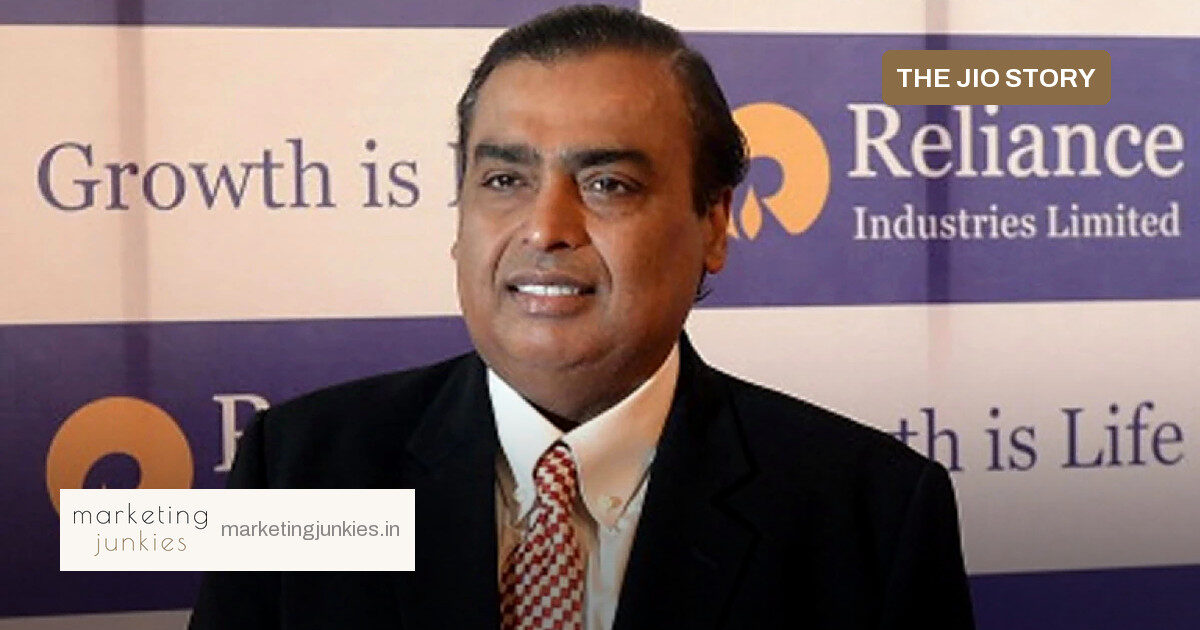
In 2016, the Welcome Offer bundled unlimited 4G data, voice, video and apps, according to Reliance Industries. Jio reached 100 million subscribers within 170 days, a company-reported figure from Reliance Industries Integrated Annual Report 2016-17. The scale made the experience collective, not individual. That is the raw material of collective nostalgia.
The memory behind the screen
Collective nostalgia forms when a large group goes through the same transition around the same time. The first video call home was often awkward, grainy and full of delay. That imperfection is what made it memorable. It marked a before and an after.
The question India asked moved from “How much does data cost?” to “What can we do with data?” A person who lived that shift does not need a timeline to understand what changed. They remember the first call, the first stream and the first festival feed on a pocket-sized screen.
Why brands build on shared memories
Shared memories do several jobs for a brand at once:
- They create recognition without having to explain the product.
- They transfer emotion from a personal moment to the brand that enabled it.
- They turn a technology shift into a cultural shift people can retell.
- They give campaigns a human texture that product claims lack.
A memory feels factual to the person who lived it. That makes it harder to argue with than a spec sheet. Brands that root campaigns in these moments borrow that credibility.
Marketing the memory, not the data plan
The smarter play is to let the customer’s memory lead. A marketer does not need to mention speed or coverage next to a father seeing his daughter’s new flat for the first time on a video call. The viewer fills in the emotion.
Reliance Industries describes Jio’s ecosystem today as spanning connectivity, entertainment, commerce, payments, devices, cloud and AI, following its 48th AGM in August 2025. But the memory hook remains simpler: the first call, the first stream, the first time data stopped being the bill and became the day.
The same logic applies beyond telecom. A payment app can anchor on the first time a kirana shop’s khata went digital. A streaming service can anchor on the first finale a hostel common room watched on one phone. The shared memory works because it is already true for the audience.
Brands that get this right do not manufacture nostalgia. They recognise a shift the audience already lived and put the brand quietly inside it.