
At a Brandweek 2026 fireside chat co-hosted with consumer insights platform Zappi, leaders from Carter’s and Zappi unpacked a challenge that many legacy marketers face: how to stay familiar enough to be trusted but flexible enough to be chosen by a new generation.
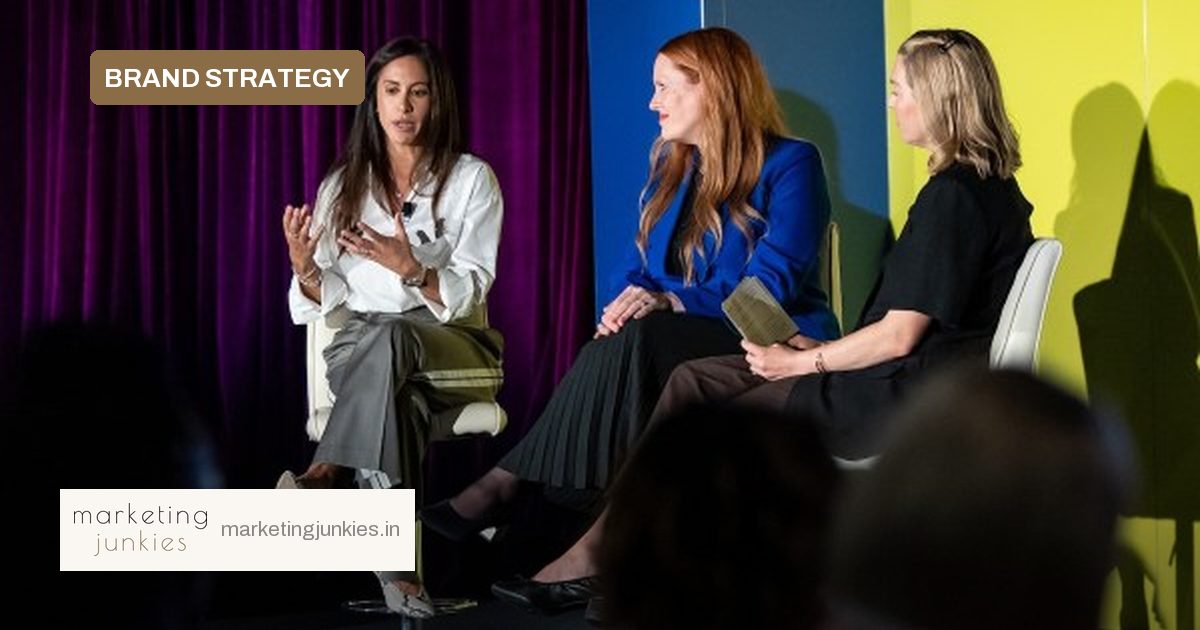
ADWEEK brand editor Rebecca Stewart moderated the conversation with Aubrie Corey, global VP of brand marketing at Carter’s, and Nataly Kelly, CMO of Zappi. The discussion pointed to a simple but demanding playbook: keep collecting consumer signals, watch how parenting changes, and don’t treat heritage as a reason to stand still.
What changed with Gen Z parents
Corey described Carter’s recent brand evolution as a reintroduction to today’s parents. Gen Z shoppers, she said, are not selecting the brand because it belonged to their parents. They are choosing it because the current expression feels right for their values.
“With each generation, you have to ensure that the way you’re expressing yourself really resonates,” Corey explained.
The underlying shift is in parenting style. Millennial parents often styled children as a “mini me,” Corey noted. Gen Z parents, by contrast, want brands that encourage their children’s self-expression.
“Children come into this world with a light entirely their own,” Corey said. “It’s not for us to create that uniqueness. It’s for us to recognize that and to protect and encourage it.”
Data connects heritage to the next consumer
Kelly said striking a balance between consistency and adaptability requires a constant pulse of consumer insights. Without that, brands risk evolving in the wrong direction or protecting positioning that no longer fits.
Her advice for larger marketing organizations is to break down silos. Consumer signals often sit in separate systems, which makes it harder to see long-term trends and act on them.
- Track generational shifts in values, not just purchase data.
- Centralize consumer signals across teams and systems.
- Use insights to decide when to evolve and when to preserve.
Nostalgia, culture and the business of memory making
Carter’s is also mining its archive. After consumer conversations showed strong interest in vintage clothing, the OshKosh B’gosh label introduced the OshKosh Reissued Collection. The line revives prints from the 1980s and 1990s for Gen X and millennial parents who remember wearing them, while presenting the looks as fresh for their children.
Corey framed the broader goal as “the business of memory making”: showing up during emotional family moments and creating something people can look back on. A recent Umbro partnership brought that thinking to World Cup season with soccer-themed clothing, reflecting what Corey called an increasingly important multicultural consumer.
She closed with a line that captures the brand’s position: “We’re not a heritage brand. We’re a brand with heritage.”
Source: Adweek