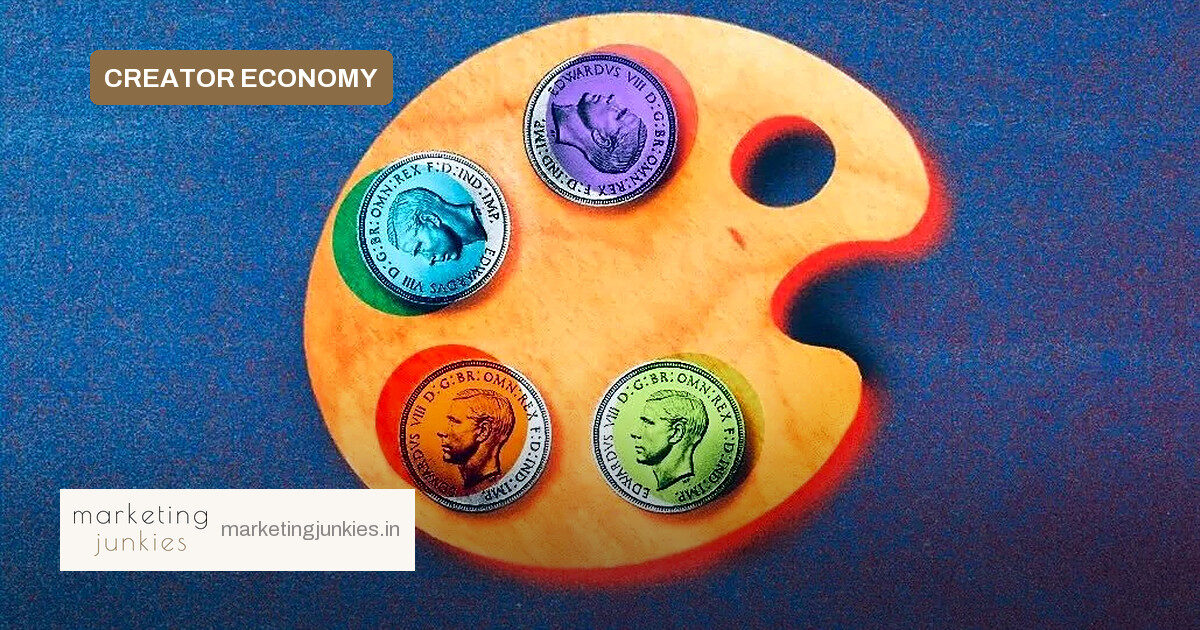
Scratch the surface of any creator programme and you will find a different labelling system. What one brand calls a tastemaker, another calls an influencer, a content creator or an affiliate partner. The IAB’s latest creator economy report puts a number on that fragmentation: at least 23% of marketers say the industry would benefit from a unified creator taxonomy.
The push for standardisation is not new. Marketers have already been trying to align what counts as a view, tighten brand-creator contract language and build common fee structures. Taxonomy is the next front.
The gap is not academic. Brands attach budgets, deliverables and measurement to these labels, so inconsistent definitions flow into how campaigns are planned and valued.
Three brands, three vocabularies
General Mills runs a five-level model. Celebrity partners sit at the top and may go beyond social into product design and formula. Mega creators sit just below them. Mid creators have between 500,000 and 1.5 million followers. Super fans and brand advocates post consistently for the brand, while friends and family make up an organic advocacy group. Mindy Murray, director of influencer and content at General Mills, told Digiday the line between a mega influencer and a celebrity has become hard to see.
Shutterfly uses a three-tier system. Tastemakers are social media stars with one million or more followers and are handpicked for major campaigns. Influencers sit in the middle, while content creators range from a couple hundred followers to more than 2,000. The company does not have an internal pay scale tied to this codification, though bigger creators are expected to command bigger budgets.
Rothy’s also uses the term tastemakers, but defines them by cultural relevance rather than follower count. A tastemaker could be a TikTok star or a Substack writer. Affiliate creators, by contrast, are treated as lower-funnel conversion drivers.
A role-first way forward
Agencies are not aligned either. VML organises creators around the job they do in a campaign—salespeople, brand ambassadors, product collaborators and so on. “Every influencer is a creator, but not every creator is an influencer,” Noah Eisemann, VML’s global executive director of creator and influencer, told Digiday.
Eisemann argues the more useful standard may be a shared way of defining the role a creator is playing in a particular strategy. That role is what should determine how a partnership is valued and what success looks like.
Why this matters now
As creators move into Super Bowl spots, product collaboration and agency-style ideation, the old label problem gets more expensive. Stefani Stamatiou, CEO of Americas at HYDP, told Digiday that when expectations, budgets and measurement rely on different assumptions, effective work can be undervalued and investment becomes harder to justify. With more money pouring in, marketers are also expecting clearer business outcomes.
What marketers can do today
Waiting for a universal naming standard may not be practical. Teams can still create internal consistency by defining the role before the tier.
- Start briefs with the job the creator will do: sell, endorse, co-create or amplify.
- Attach budget, deliverables and KPIs to that role rather than to a vague label.
- Revisit definitions each planning cycle so new formats and platforms do not break old tiers.
Role-based definitions will not solve industry-wide standardisation overnight, but they make budgets and results easier to compare—inside a team and with agency partners.