
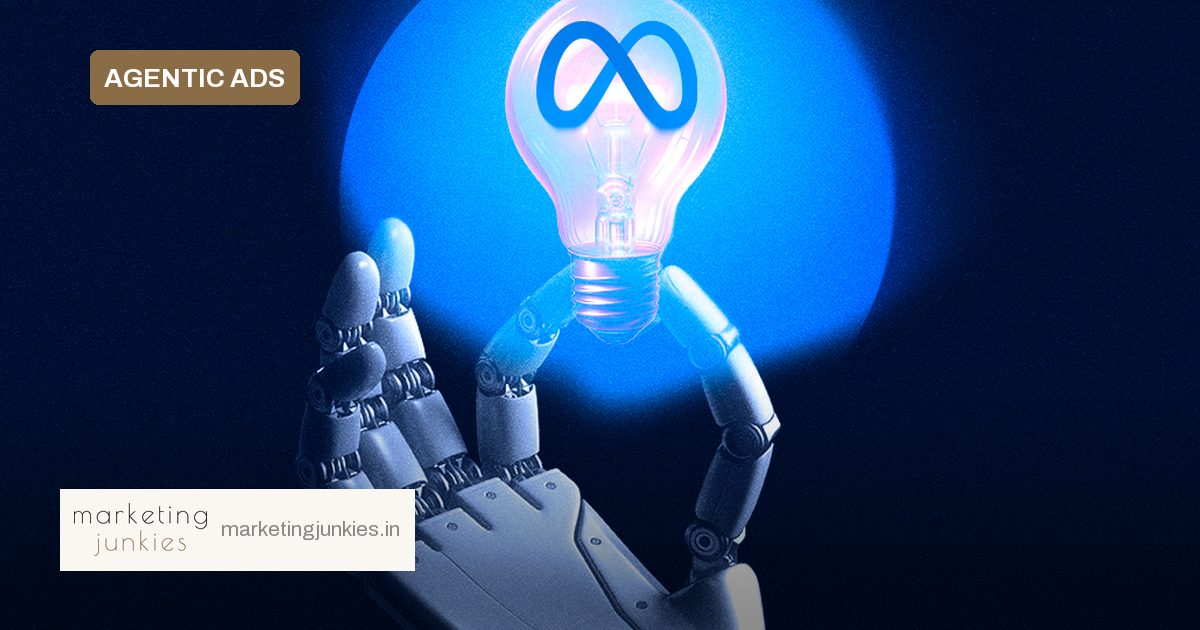
Meta’s $243 billion ads business was built on human attention. Its new AI personal agent, Muse, is now testing how much of that model transfers to software that completes tasks rather than holds attention.
The app launched on September 8 and hit 730,000 U.S. downloads within five days, Sensor Tower found—a faster start than ChatGPT, Claude, Polymarket or Kalshi over the same stretch. Whether that early pace holds is an open question, but advertising will become inevitable if it does.
A new kind of ad slot
Social feeds were built for lingering and tapping; an agent is built to execute a task and move on. A banner has no obvious place in that flow. Instead, early experiments are moving into the machine-readable layer agents actually use. Time converted its site to markdown partly to sell ad units inside files designed for bots to read, not people to see.
What has not been settled is what an agent does with that ad after reading it—whether it gets factored into the decision, ignored, or something in between. Solving that is the scaling case.
Sponsored alternatives, not sponsored answers
Imagine asking Muse to book a weekend hotel. It returns one pick that matches your budget and vibe, with other options marked “sponsored” underneath. Advertisers cannot buy their way into being the agent’s primary answer; they can only buy the chance to be an alternative. Cross that line, and users have no reason to trust the answer again.
Meta’s current model points away from auctions. Muse has a free tier, plus $20 and $100 monthly subscriptions for heavier use. Zuckerberg has floated a small merchant-paid fee whenever Muse helps someone buy, sell or save money—a transaction toll rather than an ad auction.
Why the pressure to add ads is real
- 730,000: U.S. downloads in Muse’s first five days, ahead of ChatGPT and other consumer AI apps over the same period.
- $135–$145 billion: Meta’s 2026 AI capital expenditure guidance, roughly double the prior year.
- 98%: the share of Meta’s operating cash flow AI spending consumed by the second quarter.
That spending is funded almost entirely by the advertising business Muse currently sits apart from. Meta has said Muse conversations are not shared with its ad systems. But if adoption and capex keep rising, keeping the agent permanently walled off may become harder.
What marketers should do now
“Our world could suddenly become very small,” Farhad Divecha, group CEO of AccuraCast, told Digiday. Brands that once had multiple chances across Google and Meta social placements may soon get only one shot to be chosen by an agent.
That does not mean Meta automatically controls a single gate. Amazon is blocking Muse’s agent, which could push Meta toward a partnership rather than pure control. The practical move is to make brand information clean, structured and citable, then watch how agent inclusion shifts before the ad model is finalised.
Trust is the wildcard
Users have forgiven Meta for past privacy and safety failures, but an agent asks for something bigger: permission to act on a user’s behalf while they are not watching. Meta’s trust deficit includes a $17 billion settlement last month over claims about how it built apps for younger users.
For marketers, the real monitor is not only which products agents cite, but whether consumers let agents act at all. Early numbers make Muse worth watching; the ad model is still being imagined.
Source: Digiday