
Search is moving from lists of blue links to synthesized answers. If a prospect asks ChatGPT, Perplexity or Google Gemini for a recommendation, the winner may be the brand the model cites — not the page that ranks first on a traditional results page.
MarTech’s “MarTechBot explains it all” feature recently tackled the question of how content and technical SEO strategies should change to maintain brand visibility in this new environment. The answer, in short: shift from keyword-led SEO to Generative Engine Optimization (GEO).
The technical side: helping AI crawlers read your site
Generative platforms use distinct crawlers and retrieval pipelines. MarTech’s guidance suggests treating them separately from the bots that train large language models. A few moves matter:
- Separate training and search crawlers: Allow bots such as ChatGPT-User and PerplexityBot in robots.txt while blocking training crawlers like GPTBot if you want real-time citations without handing over proprietary content.
- Add structured markup: Schema.org types such as Organization, Product, HowTo, TechArticle and FAQPage give parsers explicit signals about entities and relationships.
- Make pages chunkable: Short, self-contained paragraphs under a clear H2/H3 hierarchy help retrieval systems extract and cite modular information.
- Speed up rendering: Mobile responsiveness and low server response time prevent timeout failures when a model pulls content live.
The content side: earning citations, not just clicks
AI models lean on authoritative sources to reduce hallucination risk. The content shift is toward verifiable, extractable information density. Instead of chasing long-tail keyword variations, MarTech’s advice points marketers toward building entity-based topical clusters around their brand and industry terminology.
Original research is the strongest citation magnet. Proprietary data, survey results and first-party reporting give models a primary source they can reference again and again. The same content should be formatted for direct answer extraction: put summary tables, bulleted takeaways and clear definitions near the top, answer high-intent questions immediately, and only then expand with context.
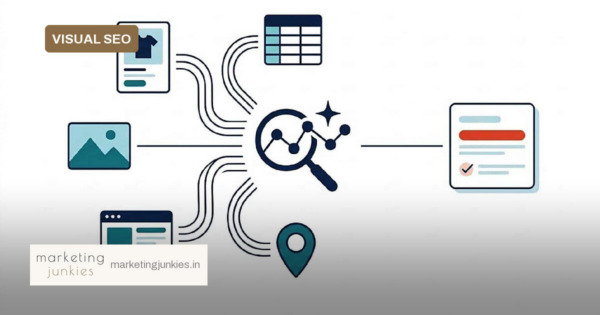
Multi-modal discovery adds one more layer. As AI search incorporates voice and visual queries, descriptive alt text and structured captions on charts and diagrams become part of the optimization checklist.
Why this matters now
Traditional organic traffic may consolidate as answer engines deliver responses directly, but that does not mean brands lose leverage. Those that make technical infrastructure AI-friendly and publish high-density primary research remain the underlying sources driving AI recommendations. The brands that treat citations as the new ranking signal will be the ones named when a model answers.
Source: MarTech