
Ask someone about their first video call home and the details often sound borrowed from the same script: the phone held too close, the startled laugh, the kitchen wall, a grandparent waving. It is a personal memory, but it is also a collective one. In India, much of that shared script dates to 2016.
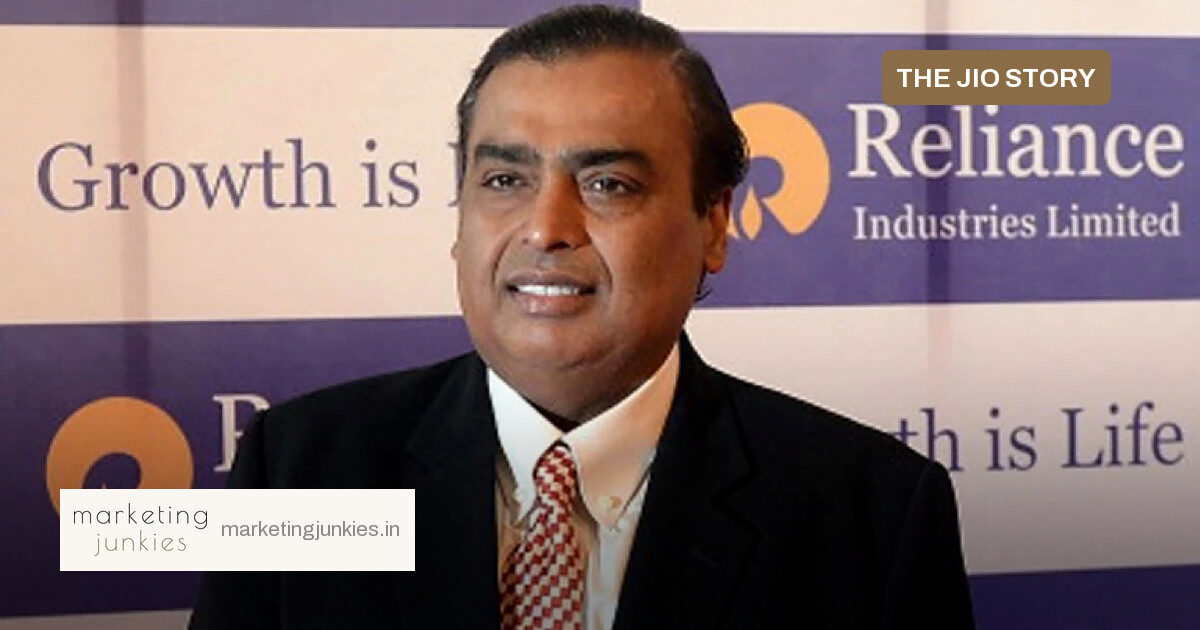
That was when Jio launched with the Welcome Offer: unlimited 4G data, voice, video and apps (Reliance Industries). The commercial detail matters less today than the behavioural change it set off. Video calling shifted from a rare, planned event to an ordinary part of the week.
The difference between memory and shared memory
Personal nostalgia stays private. Collective nostalgia is easier to use because it gives people a sense of belonging to the same cultural timestamp. The first video call home worked this way: it was not the same call, but it was the same feeling of seeing someone while being far away.
That is why the phrase still travels. A brand does not need to explain it. The moment is already stored, often with an emotional charge of surprise, pride or relief. For marketing, that is powerful material because it is largely pre-created.
Why the 2016 data moment still sticks
The 2016 shift was about more than one feature. It changed the question people asked. The series has often framed it this way: the question India asked moved from ‘How much does data cost?’ to ‘What can we do with data?’ That is a transition from scarcity to possibility.
Jio reached 100 million subscribers within 170 days of launch (company-reported; Reliance Industries Integrated Annual Report 2016-17). That speed meant the habit was not limited to one city, age group or income bracket. When a memory spreads that fast, it becomes a shared reference point.
Today Jio’s ecosystem spans connectivity, entertainment, commerce, payments, devices, cloud and AI (Reliance Industries 48th AGM, August 2025). Yet many people still enter the story through the older, simpler memory: the first call home.
What makes a shared memory usable for brands
A memory is most useful to a brand when it already lives in daily life. It should be ordinary, emotionally warm and repeated across regions. For marketers, the test is not whether the brand was present, but whether the audience already recognises the moment.
- It sits in everyday life, not in a campaign.
- It carries an emotional beat: surprise, pride, relief.
- It repeats across age groups and regions.
- It links a small habit to a larger change.
Building on the memory, not the feature
The mistake is to lead with the technology. A better creative route is to show the small, recognisable detail: a phone propped against a jar, a room leaning into frame, a grandparent asking whether the image is frozen. These cues do the work because the audience already has the memory.
Shared memory is a brand asset only when it is treated as borrowed, not owned. The job is not to invent a cultural moment. It is to notice one that already exists and tie the brand to it honestly.
For Indian marketing, the data decade left behind many such moments: the first video call, the first festival stream, the first homework link sent after midnight. The brands that use them well will probably be the ones that remember the moment before they mention the product.