
Swiggy’s top-of-mind recall had stayed flat for six to seven quarters. That stalled movement forced the food delivery platform to rethink a long-held marketing habit: running brand marketing and performance marketing as separate jobs.
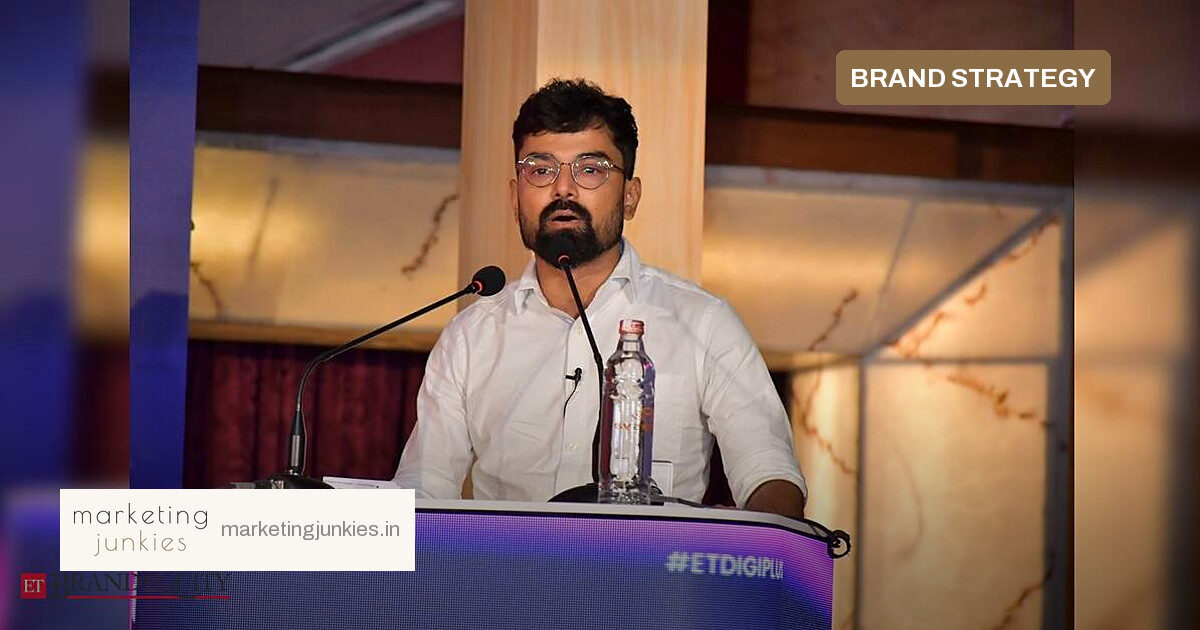
Speaking at ETBrandEquity’s DigiPlus Fest 2026, Anuj Gupta, vice president – food revenue and growth at Swiggy, explained how the company merged the two teams—and their budgets—into a single revenue and growth function. The goal was to build campaigns where brand and performance deliberately worked toward the same outcome.
Why the old split stopped working
In the earlier structure, brand and performance had separate planning, measurement, and media buying. Brand teams focused on reach, recall, and emotional connection; performance teams focused on targeting, timing, and conversion offers. When recall looked weak, Swiggy increased brand investment. When ROI became the focus, spending shifted back to performance.
Gupta said the company realised that every recall point it failed to build today could become a cost later—either through heavier discounts or higher customer acquisition costs when it tried to rebuild recognition.
One funnel, two jobs
The merged model revolves around a simple idea: identify a conversion moment within a brand marketing opportunity. A cricket match, for example, is both a brand-building moment and a food-ordering moment.
For Gen Z, Swiggy used gamification, Snapchat lenses, and moment marketing to bring the two jobs together. On Friendship Day, Swiggy turned its Snapchat presence into a conversion opportunity by integrating an exclusive Domino’s coupon that users could share with friends.
The brand also built a “brand stack ecosystem” with Google, moving consumers from reach to consideration and conversion within the same campaign.
What the unified approach delivered
- Gen Z top-of-mind recall rose six points within two quarters.
- Spontaneous recall moved by a similar six points.
- Customer acquisition cost came in 15 percent lower than conventional performance campaigns.
- Some campaigns delivered conversion rates 20 times higher than business as usual.
- The first Snapchat lens reached 60 percent of Swiggy’s Gen Z transactions on Friendship Day.
“Every campaign that I talked about in this deck did both the jobs. It was not just a brand play. It was not just a conversion or a performance play,” Gupta said.
Why this matters for marketing teams
Swiggy’s experience offers a practical framework for marketers who are tired of choosing between long-term brand building and short-term conversion. The fix was not another channel or campaign; it was an operating model change. By making one team accountable for both recall and conversion, Swiggy forced its campaigns to earn attention and transactions at the same time.
Swiggy’s next focus is to increase the share of marketing spend on campaigns that deliver both brand and performance outcomes. For other teams, the starting point is simpler: look at the next brand campaign and ask where the conversion moment is—not whether it can be added later.
Source: ETBrandEquity.com