MTR Foods is treating India’s festival-time habit of sharing sweets as its own language — one where “Ek aur lo” or “Aavta rehjo” carry more warmth than a direct translation ever could. The brand’s new campaign, India’s Sweetest Language, pairs a first-of-its-kind illustrated book with a digital film that brings those everyday phrases to life.
Unveiled on 8 October 2026, the campaign sets out to do more than advertise a range. It positions mithai as an emotional medium, with the book acting as a tangible piece of cultural vocabulary. Alongside the creative, MTR Foods is expanding its sweets portfolio:
- Dry Jamun
- Kala Jamun
- Kesar Badam Gulab Jamun
- Mysore Pak Date Bites
The product additions move beyond the brand’s iconic Gulab Jamun and Mysore Pak into premium, ingredient-led, gifting and portion-controlled formats.
From cultural truth to brand asset
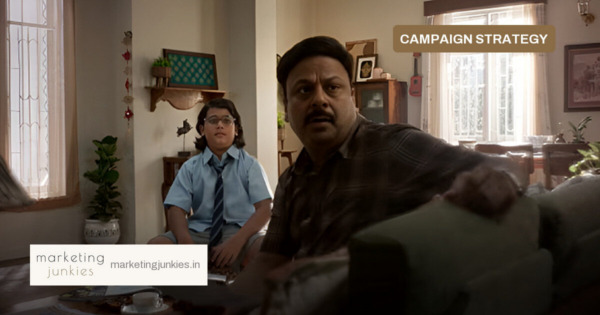
The film follows a young girl at a festive community celebration. When she opens the book, pages fill with familiar interactions: welcoming guests, blessing a relative, urging someone to take one more sweet. MTR sweets appear within those moments, not as a product cutaway but as part of the ritual.
“Some emotions are often conveyed more meaningfully through sweets than words,” says Anupam Nair, Chief Marketing & Growth Officer, MTR Foods. He describes the campaign as a way to deepen the consumer’s emotional bond with sweets and build category relevance, not just seasonal sales.
Why there is no single lead language
Unlike many festive films that default to Hindi, this campaign deliberately avoids a lead language. It gathers familiar phrases from different parts of India, including “Ek aur lo” and “Olleyadagali”, so the work can feel both regional and pan-Indian at the same time. That matters in a category where purchase triggers are local, ritual-driven and tied to family gatherings.
The distribution follows the same logic: digital platforms, outdoor media and on-ground activations, with creators and influencers amplifying the story. The brand has not put a celebrity at the centre, keeping the campaign about a shared cultural language rather than a face.
The framework marketers can reuse
MTR’s playbook across its Podi films in Telugu and Kannada, its Puliyogare film and now India’s Sweetest Language is consistent: start with consumer recognition, not invention. Identify a ritual the audience already practices. Translate it into a tangible asset — here, a book — that can outlast the media window. Place the product inside the emotional moment, not ahead of it.
For brands in packaged food, gifting and snacks, the move is portable. Find the phrase or gesture your consumers repeat at festivals. Make it ownable. Then use product formats, such as portion-controlled or premium variants, to fit the way younger consumers actually buy.
The campaign is live now, with the film available on YouTube and the illustrated book through MTR Sweets, as the festive season builds.
Source: MediaNews4U