What happened
Fox has completed its $22 billion acquisition of Roku, the companies confirmed on Friday. The deal closes one of the biggest media transactions in recent streaming history and moves Roku, founded in 2002, firmly under Fox’s ownership.
Fox says the combined company now ranks as the third-largest television business in the United States by viewership. That is a significant leap from operating a traditional broadcaster to owning one of the most widely used streaming platforms.
The finish line came much faster than expected. When the acquisition was announced in June, the two companies projected a closing in the first half of 2027. Instead, it wrapped up in November 2026, about two months after the Justice Department issued a second request for information as part of its antitrust review.
What Roku’s founder says
Roku founder Anthony Wood described the deal as a continuation of the company’s original mission. “We started Roku more than two decades ago to give people a better way to watch TV, and that mission doesn’t change today. What does change is our reach and resources,” he said.
Why this matters for marketers
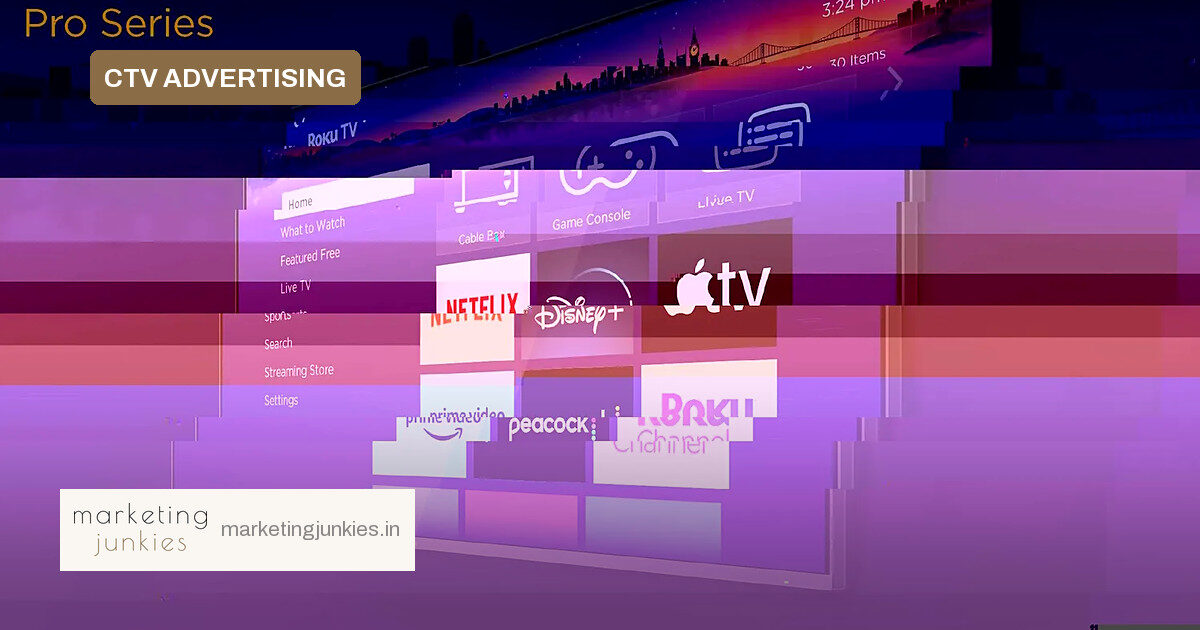
The biggest takeaway for marketers is not the hardware—it is the distribution and data. Roku gives Fox direct access to more than 100 million households, a first-party audience that Fox expects to use for sharper advertising targeting and a stronger position in connected TV.
Strategically, this is a shift from rented distribution to owned distribution. A broadcaster that controls the platform has a direct view of viewing behaviour and can package content, inventory and data together. For ad buyers, that could mean more measurable streaming campaigns; it could also concentrate more premium CTV inventory inside one owner.
- Reach: Fox gains a streaming footprint of more than 100 million households.
- Targeting: The company plans to use Roku’s audience to improve ad targeting in connected TV.
- Diversification: The deal reduces Fox’s reliance on traditional TV distribution.
What to watch next
The practical step for media planners is to re-examine CTV strategies. When a legacy broadcaster and a major streaming platform combine, ad products, bundles and pricing tend to shift. Watch for early signals in Fox’s advertising sales conversations, especially around data-enabled inventory and measurement.
For brands, this is also a reminder that first-party audience access is becoming a core competitive asset. The more direct your customer relationship, the more control you keep over targeting and learning.