
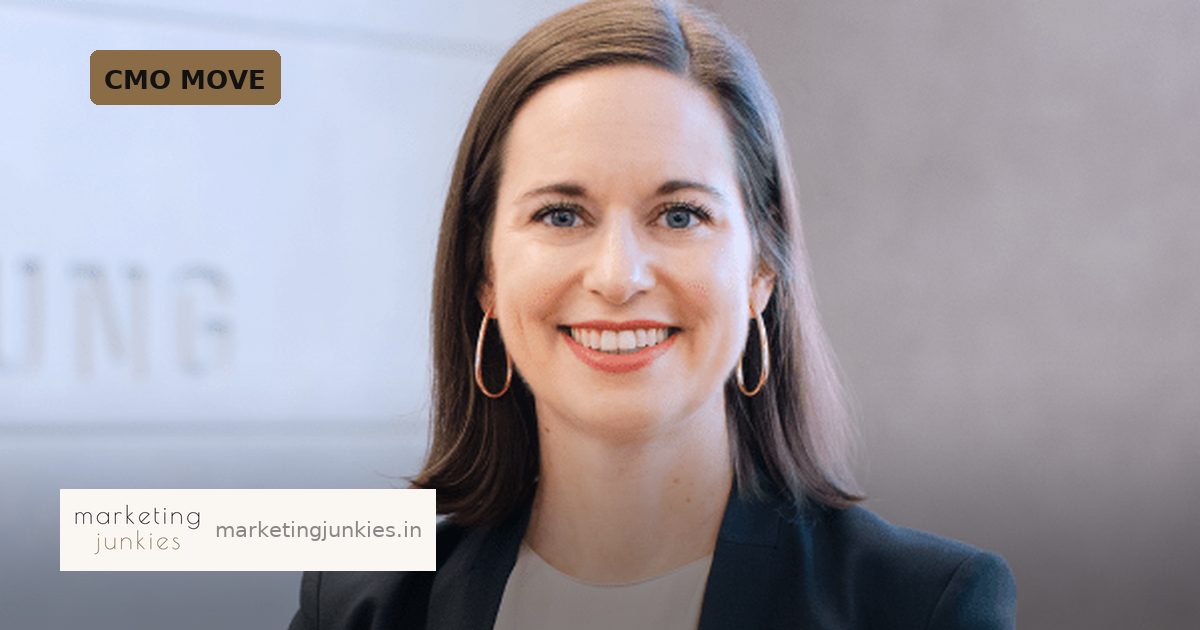
Boston Beer Co. has filled a marketing gap that has been open since March. Allison Stransky, chief marketing officer for Samsung in the United States, will take over as CMO of the brewer on Oct. 12, reporting to cofounder and chief executive Jim Koch as well as chief operating officer Phil Hodges.
It is a notable category jump: from smartphones, appliances and connected services to hard seltzer, hard tea, cider and craft beer. It is also a reminder that brand-building talent is increasingly moving between sectors rather than up within them.
What she is walking into
Boston Beer’s portfolio spans Samuel Adams, Twisted Tea, Truly Hard Seltzer, ciders and the non-alcoholic beer General Admission — a spread that mirrors how quickly American drinking habits are shifting.
But the brief is not a victory lap. On the company’s July earnings call, management flagged two pressure points:
- Twisted Tea still leads malt-based hard tea, but is under attack from spirits-based hard teas and ready-to-drink canned cocktails.
- Truly is not delivering the consumer demand Boston Beer expected, per Koch.
- Media spend is being reshaped, with roughly $20 million in underperforming media being cut — largely behind Truly — while overall advertising investment stays heavy.
Stransky also inherits an organisation that has run without a permanent marketing chief since longtime CMO Lesya Lysyj departed in March. Hodges covered the role on an interim basis in the meantime, which typically means a backlog of stalled decisions on brand positioning, agency structure and innovation pipelines.
Her track record
Stransky spent three years leading marketing for Samsung in the US, where her remit stretched across mobile devices, home appliances and the services designed to link them together. That is a portfolio-management job as much as a campaign job — deciding which sub-brands get air cover, which get performance budgets, and how a house of products tells one story.
In her statement, she said she has “long admired” Boston Beer’s ability to combine creativity, innovation and storytelling in connecting with consumers, adding that she wants to build on the company’s foundation and drive growth.
Koch said she brings “a fresh perspective shaped by experience at some of the world’s leading companies”, along with a passion for brand building and innovation.
Boston Beer declined to comment beyond its statement, and Samsung did not respond to Adweek’s request for comment before publication.
Why marketers should care
Three things make this appointment more than a routine CMO shuffle.
1. Category-agnostic hiring is now normal. A tech marketer running a beverage portfolio signals that boards are prioritising portfolio discipline, media rigour and innovation cadence over category tenure. If you are building a marketing career, breadth of brand problems solved is becoming as valuable as years spent in one industry.
2. Media cuts are the new proof of seriousness. Trimming $20 million of low-performing media while keeping total ad investment high is the shape of most 2026 budget conversations: not less spend, but less waste. Expect the incoming CMO to be judged on mix efficiency as much as on creative fame.
3. Portfolio brands need a hierarchy. With one brand under competitive attack (Twisted Tea) and one underdelivering (Truly), the classic move is to triage — defend the leader, fix or right-size the laggard, and fund the emerging bet, in this case non-alcoholic options like General Admission that ride the moderation trend.
A simple framework to borrow
For anyone managing a multi-brand portfolio, the Stransky brief maps neatly onto a defend / fix / fund lens:
- Defend: protect the profit engine’s distinctiveness against adjacent formats.
- Fix: diagnose whether a weak brand has a product, price or positioning problem before spending more on it.
- Fund: back the category trend, not just the brand you already own.
How Boston Beer answers those three questions over the next few quarters will be a useful case study for any marketer stewarding a crowded portfolio in a shifting category.
Source: Adweek