
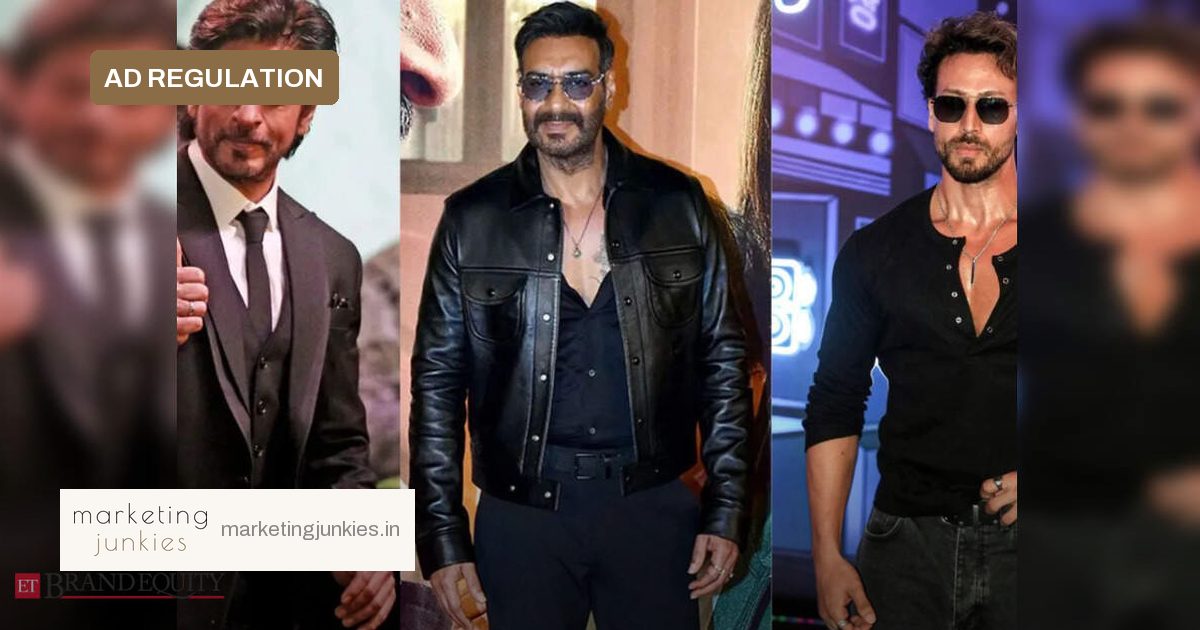
The Delhi High Court is set to decide on Monday whether it can hear a challenge by the maker of Vimal Elaichi against regulatory notices served on three Bollywood stars. Justice Swarana Kanta Sharma had reserved the order on territorial jurisdiction and is expected to deliver it on September 14.
What the case is about
PB Agro LLP, which owns the Vimal brand, has moved the court to quash show-cause notices issued to actors Shah Rukh Khan, Ajay Devgn and Tiger Shroff. The Maharashtra Food and Drug Administration sent the notices, dated August 11, 2026, alleging that the advertisements for Vimal Elaichi amount to surrogate promotion of Vimal Pan Masala, a chewable product banned in Maharashtra.
The regulator asked the actors to submit documentation showing that Vimal Elaichi is distinct from banned pan masala products. It also directed a halt to the promotional campaign and withdrawal of related materials from digital platforms.
PB Agro’s counter-arguments
The company has argued that the notices were sent only to the actors, not to the brand, even though PB Agro says it would bear the damage of any regulatory action. Its petition also questions whether the Maharashtra FDA has the authority to stop the advertisement.
- PB Agro says the campaign is fully compliant with applicable laws.
- The company says Vimal Pan Masala has not been manufactured or sold in Maharashtra since 2001.
- It points out that tobacco-containing pan masala has been barred nationwide by the Supreme Court since 2013.
- The Centre and CCPA argue the plea should have been filed in the Bombay High Court because the notice came from Maharashtra.
The jurisdictional question is central: the Delhi High Court will first decide whether it can entertain the plea at all, before any examination of the surrogate-advertising claims.
Why this matters for marketers
This case is a sharp reminder that celebrity endorsements in restricted categories carry legal exposure that can land on the talent as much as the brand. The central tension is between a company’s claim of a compliant standalone product and a regulator’s view that the creative is a surrogate for a banned item.
For brand teams, the practical takeaway is to treat endorsement agreements, product-differentiation evidence and state-level regulatory mapping as one compliance bundle. Before a sensitive-category campaign goes live, test product separation, creative separation and notice readiness. The outcome may influence how state regulators approach celebrity-led advertising, even if the court first decides only where the fight should happen.
Source: ETBrandEquity.com