
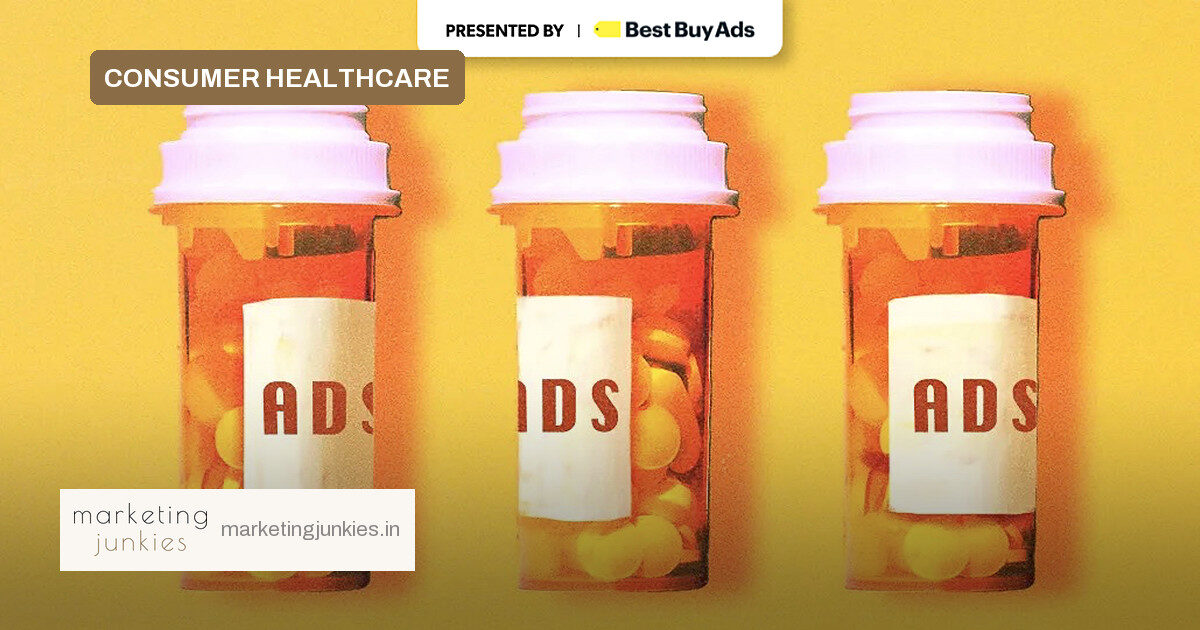
Over-the-counter healthcare is starting to look less like a pharmacy category and more like a grocery aisle. OTC sales reached $58.2 billion in 2025, up from $44.3 billion the previous year, while regulators signal openness to more prescription-to-OTC switches. The result: consumer healthcare brands are borrowing heavily from the CPG media playbook.
“Historically, people relied more on their physicians,” said Sandy Weag, client president at CMI Media Group. Now, she says, shoppers are taking a proactive approach and choosing health products like any other consumer purchase. That shift makes brand trust a real growth lever.
From pharmacy counter to shopping basket
Opella, the consumer healthcare business spun out of Sanofi, is the clearest test case. It was created as an €825 million ($927 million) business, with Sanofi retaining a 48% stake, and reported first-half 2026 net sales up 3.6% on e-commerce strength. Chief growth officer Albert Hernandez, a former Nestlé marketer, calls the category “fast moving consumer healthcare.”
“We have to embrace a new way of operating,” Hernandez said. If Opella sticks with the traditional pharma model of 30-second TV ads, he added, “that’s not going to work.”
The media reset
Opella’s allocation shows how far the shift has gone:
- 60% of media investment now sits in digital channels; 40% remains in TV and out-of-home.
- E-commerce has grown from 4% to 12% of revenue over three years.
- An 85-person in-house team uses generative AI to produce and version digital creative, following a path set by CPG firms such as Unilever.
- Senior hires have come from P&G, Reckitt and FrieslandCampina as the company builds CPG-style commercial muscle.
Search and programmatic media have moved in-house as well. “It has made us much faster,” Hernandez said. “It has increased our ROI significantly.”
Why this matters for marketing teams
The broader consumer health market is following the same arc. Pharma digital ad spend is forecast to reach $26.3 billion this year, while companies such as Kenvue are competing for share and Hims & Hers ran a Super Bowl ad in February. According to Good Apple chief media officer Hyun Lee-Miller, personal health decisions increasingly ride on peer-to-peer trust, making creator and social channels more influential than traditional ads.
The playbook also brings friction. Retail media creates debates over which internal team controls investment, and AI search changes discovery. Opella is already tracking LLM citations and visibility, with Hernandez noting that “AI is becoming a major gateway to health information.” CMI’s Weag says more healthcare clients want channels with sales measurability, echoing the performance pull CPG marketers feel.
The caution is real: CPG companies have underperformed the S&P 500, and NielsenIQ found food and CPG unit sales fell by 9.3 billion units over five years. For healthcare marketers, the smart path is to borrow CPG speed in creative and commerce without inheriting its short-term bias.
Source: Digiday