
Wondrlab has launched WondrAgents, which it describes as India’s first unified agentic operating system for influencer marketing. Announced on September 8, the system plugs into the network’s two influencer marketing platforms, OPA and Opportune, and is built as a network of seven specialised AI agents that work across the full campaign lifecycle.
What WondrAgents actually does
Instead of automating one slice of the workflow, the company says the agents cover the whole chain: campaign brief, creator discovery, outreach, negotiation, contracting, content evaluation and ROI reporting. Wondrlab claims the setup can cut campaign go-live time by up to 70%.
The agents were built by BigStep, Wondrlab Group’s software engineering and technology arm, and are trained on the network’s proprietary creator intelligence and past campaign data. Human teams, the company stresses, still own strategy, creative and creator relationships.
The other design idea worth noting is the “living intelligence library” the company describes, where each campaign feeds creator insights, category intelligence, audience behaviour and performance data back into the knowledge base so future campaigns start smarter rather than from zero.
Why it matters
Influencer marketing in India has scaled faster than its operating infrastructure. Most brand teams still stitch together discovery tools, spreadsheets, WhatsApp negotiations, separate contracting flows and platform-native analytics that rarely reconcile. Wondrlab is pitching directly at that fragmentation: one workflow, one dashboard, continuous optimisation.
For marketers, the interesting part is not the AI badge but the operating-system framing. If campaign knowledge compounds inside a platform rather than evaporating when a campaign manager changes jobs, the economics of running always-on creator programmes change meaningfully.
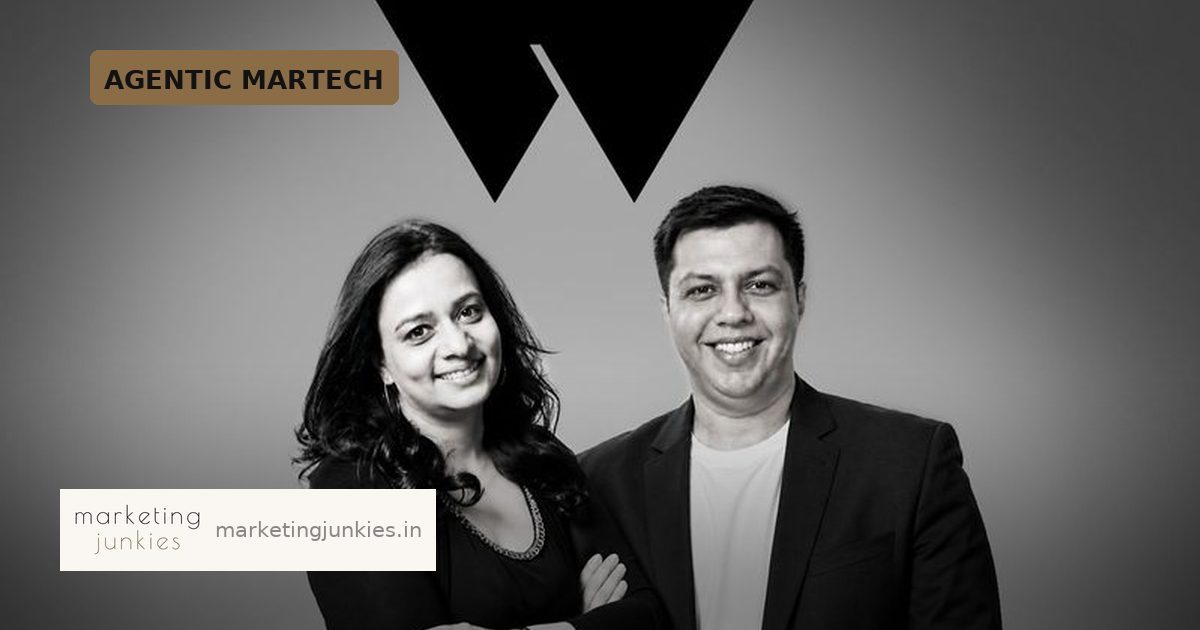
“The future of influencer marketing lies in humans and AI agents working together,” said Vandana Verma, Co-Founder, Wondrlab Network, adding that OPA and Opportune have been building the underlying creator intelligence base since 2020.
Shidush Contractor, Chief Operating Officer of OPA and Opportune, said the platform handles operational complexity so teams can focus on ideas and strategic decisions, and framed it as combining human intelligence with AI agents rather than replacing people.
The questions brand teams should ask
Agentic tools are arriving fast across martech, and influencer marketing is an obvious early target because so much of the work is repetitive coordination. Before signing up for any of them, it is worth pressure-testing the pitch:
- Where does the human sign off? Negotiation and contracting are commercial and legal actions. Clarify approval gates.
- Whose data is it? If a platform’s knowledge base gets smarter on your campaign data, ask what is portable if you leave.
- How is ROI defined? Reach and engagement are easy; attributed business outcomes are not. Insist on the measurement methodology.
- Disclosure compliance: AI-assisted outreach and scripting still sit under ASCI’s influencer guidelines. Automation does not transfer accountability.
- Creator experience: If agents handle outreach and negotiation at scale, poor tone can damage relationships with the very talent you want.
The bigger Wondrlab picture
WondrAgents fits a pattern. Launched in 2020, Wondrlab positions itself as a technology-led marketing transformation network spanning creative agency What’s Your Problem, performance shop Neon, CRM and analytics firm Cymetrix, BigStep, commerce media platform Hector, education platform Wisr and European digital agency WebTalk. It recently also launched WondrBridge, a joint venture with New Zealand-based Bridgesoul to build AI-led micro and nano global capability centres for enterprises.
The strategic read: agency groups are increasingly selling software and systems alongside services, because product revenue is more defensible than headcount-based fees. Expect more Indian networks to package their accumulated campaign data as a platform play over the next 12 months.
For marketing teams, the practical takeaway is to start auditing where influencer campaign knowledge currently lives inside your organisation. If the answer is “in one person’s inbox”, the agentic pitch will be hard to argue with.
Source: The Tribune