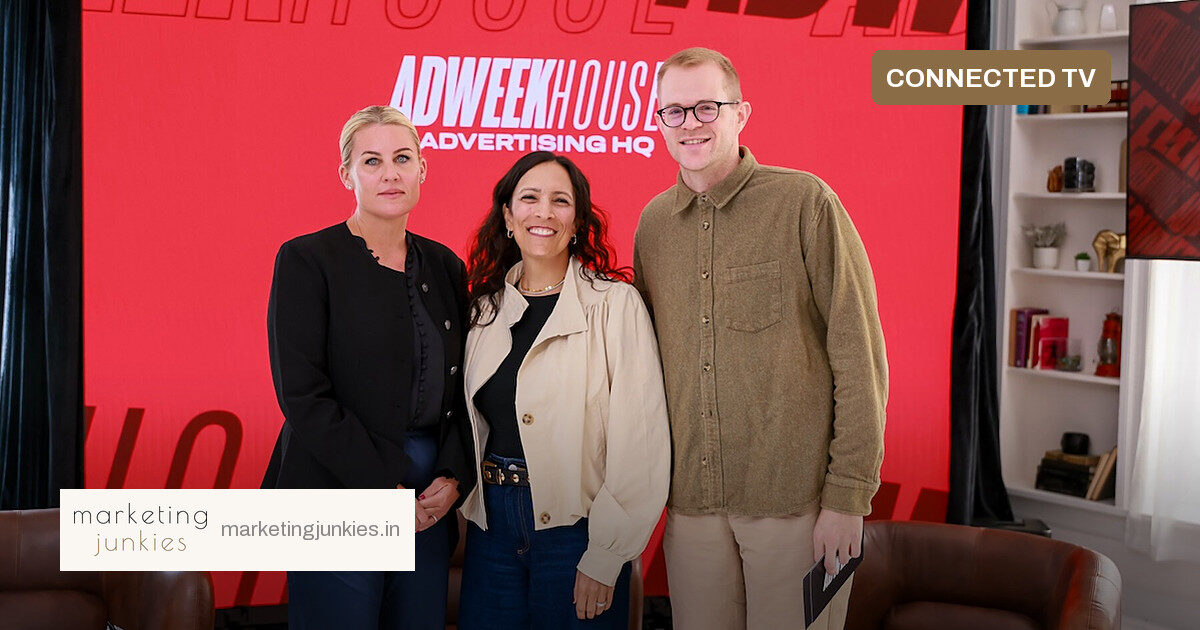
Connected TV advertising is leaving its experimental phase. At an ADWEEK House Advertising HQ session co-hosted with Google TV, two executives at the center of the shift argued that the next wave of CTV is not just about replacing linear television—it is about removing the friction that used to sit between a brand and a viewer.
Streaming keeps reach and adds precision
Jamie Power, senior vice president of addressable sales at Disney Advertising, and Lisa Siskind Bilgrei, global director of product monetization and content programming at Google TV, described a CTV market that can now combine the scale of television with sharper audience intelligence.
Power said streaming preserves the strengths of linear TV without its old limitations. Instead of treating a program as a rough proxy for an audience, advertisers can now “layer on audience targeting and be a little bit smarter.” Attribution, interactive formats and commerce tools then close the distance between seeing an ad and acting on it.
The home screen is the new inventory
Bilgrei drew a clear distinction between Google TV and a streaming app such as YouTube TV. Google TV is an operating system built into the device itself, so the experience begins with a personalized home screen the moment the TV is switched on. An algorithm does part of the curation, while human editors surface content the algorithm has not caught up with yet.
That same home screen is becoming valuable ad inventory. The masthead unit is prime placement, and brands can also appear in sponsorships or lower-funnel performance formats. Rather than waiting for a mid-roll break, an advertiser can be visible at the first screen a viewer encounters.
Cultural moments still deliver
Sports offered the clearest example of shared attention. With the 2027 Super Bowl heading to ESPN and ABC, Disney is planning a week of programming around the event: morning shows from Santa Monica, on-site brand activations and a Disney+ simulcast in English and Spanish.
Power called Super Bowl advertising part of the experience rather than an interruption—a cultural moment audiences share in real time. For marketers, that is a reminder that addressable streaming does not erase the rare, simultaneous attention of a major live event.
The framework: reach, precision, placement, moments
A simple planning model emerges from the conversation. Reach still comes from television and live events. Precision comes from streaming data and addressable targeting. Placement now includes the operating system’s home screen. And moments—such as a Super Bowl or another major live final—provide the collective attention that even the best targeting cannot manufacture. A strong CTV plan balances all four.
What to do about it
- Treat the TV home screen as a placement, not just the ad break.
- Pair audience targeting with interactive and shoppable formats.
- Plan separately for mass cultural moments like major sports finals.
Bilgrei said the goal is not to lock viewers into narrow profiles but to surface content—and ads—they might not have expected to enjoy. That principle of “surprise and delight” is a useful lens: relevance gets a brand in front of a viewer, and delight keeps that viewer coming back.
For media planners, the anatomy of a CTV campaign is expanding. The 30-second spot is no longer the default unit. Home-screen mastheads, event sponsorships, interactive overlays and bilingual simulcast buys can all sit inside a single strategy, connected by the idea that the TV is now both a targeting machine and a shared cultural stage.
Source: Adweek