
At DigiPlus Fest 2026, a Lead Talk on omnichannel orchestration made one point clearly: smart digital advertising begins long before a campaign reaches a demand-side platform. The argument from the session was that brands are increasing programmatic and influencer budgets while the content engine behind those campaigns remains fragmented and manual.
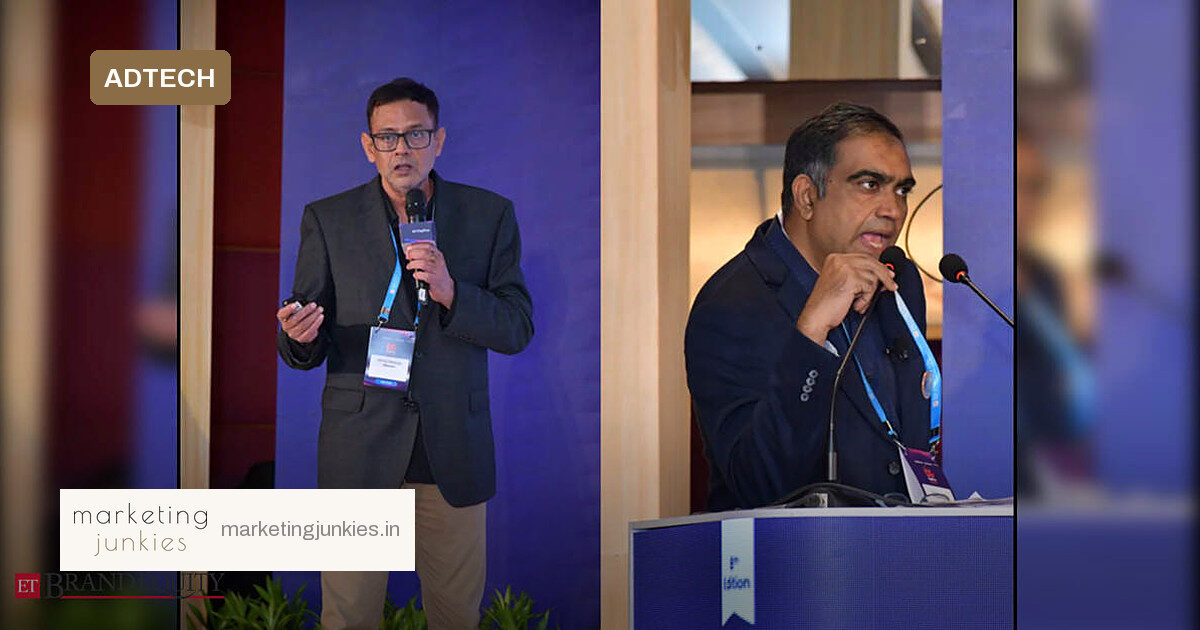
The speakers were Kalpesh Vaza, MD & CEO of Biztechnosys Infotech; Manish Ramanan, CTO of Biztechnosys Infotech; and Abhiraj Banerjee, Head – New Business, South Asia, Sitecore. They said the next big shift in digital advertising may be less about buying more media and more about making the content supply chain smarter.
The case for an automated content supply chain
Vaza opened with the challenge of reaching the right consumer with relevant messaging at the right moment. He said brands are struggling to reach the right audience at the right time, and pointed to “content, storyline, and human touch” as the reason.
Banerjee argued that automating content workflows before the media-buying stage can deliver real savings. “A lot of dollars can be saved by doing this, which can then be used to buy more media, reach more people, reach more of the right cohorts,” he said.
In practice, that means bringing creative production, asset management and distribution into one system, organised by themes and messaging, rather than running disconnected processes across channels.
Why LLM discoverability is now top-funnel
The discussion turned to how AI is changing discovery. Banerjee said LLM discoverability is “as top-funnel as anything in the world.” If a consumer asks ChatGPT or Gemini about a category and the brand does not appear, he said, a customer has been lost right there.
He added that automated software agents are already a meaningful share of some digital audiences. According to Banerjee, the next sponsored YouTube campaign could be watched by 50 per cent agents and 50 per cent humans, and content not optimised for agents risks missing half the audience after significant spend.
- Automate content operations before increasing programmatic media.
- Treat LLM and AI-agent discoverability as a top-funnel priority.
- Unify product information, attributes and messaging across influencers, platforms and programmatic channels.
The influencer spending gap
Banerjee put the stakes in perspective: roughly USD 4 billion will be spent on influencer marketing on YouTube alone this year, and including Meta could add a couple of billion more. That level of investment, he argued, deserves a strong content supply chain behind it.
Influencers, media platforms and programmatic channels all depend on accurate product information and messaging. Without automated systems in place, Banerjee said, success rates can stall at 50 per cent.
His closing advice: before going programmatic in media and advertising, think about going programmatic in the place where it all begins—the content.
What it means for marketing teams
For marketing professionals, the session offers a sequencing principle: fix the content operation before pouring more money into distribution. That puts content and data infrastructure ahead of pure media buying, and makes AI discoverability a measurable part of the funnel rather than an afterthought.
Source: ETBrandEquity.com