
Connected TV has long been framed as a reach story. But the latest signals from ETBrandEquity’s CTV Dossier point to a bigger shift: CTV is beginning to reshape how ads are conceived, produced and measured, not just where they appear.
The weekly dossier flags a common theme: “relevance is becoming as important as reach.” As screens become more targeted, content gets longer and consumers grow more selective about trusted ad environments, marketers are being pushed to rethink old creative assumptions.
The one-hero-TVC model faces pressure
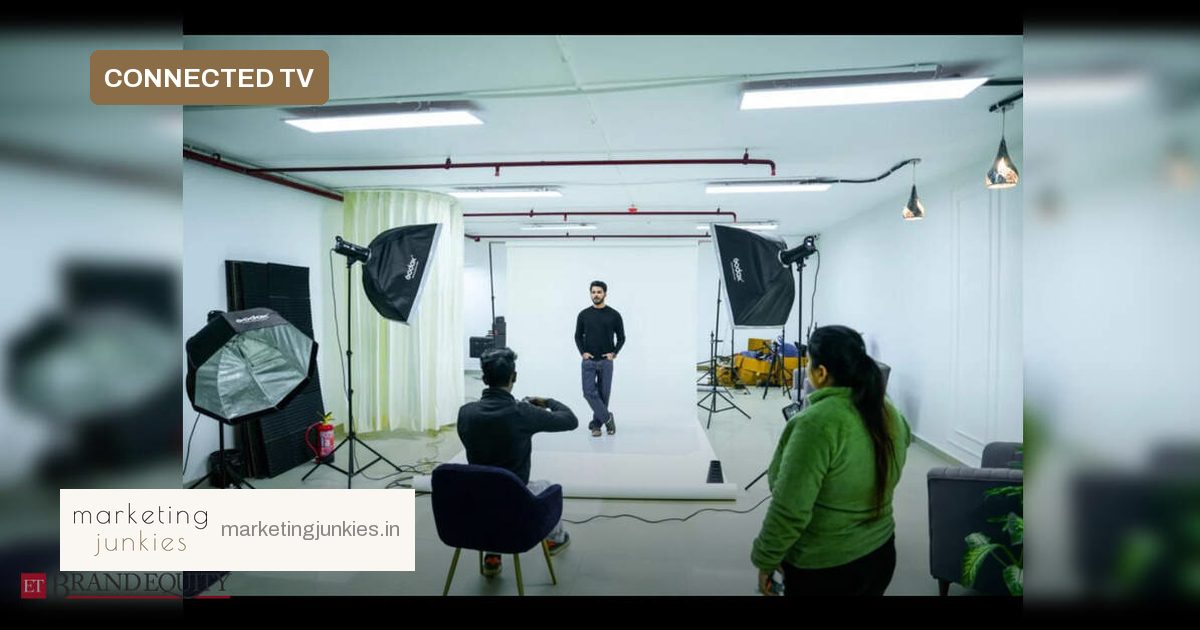
CTV’s ability to target audiences by geography, behaviour and content is prompting a rethink of the traditional single hero TVC. Instead of one big film built for mass awareness, brands may need multiple creative versions tailored to different audience segments and viewing contexts.
That shift reaches beyond media buying. It could change how brands brief agencies, how production budgets are allocated and how creative effectiveness is measured. For marketing teams, the practical step is to build modular creative systems—core brand assets that can be versioned for different cohorts without starting from scratch.
Longer video is outperforming assumptions
Attention-span logic suggests that shorter is always safer. Data cited in the dossier challenges that view. On comedy, lifestyle and vlogging channels, videos running 22 minutes or more recorded 16% more views and 2.2x the watch time compared with videos of up to 13 minutes.
- 22+ minute videos: 16% more views than shorter clips
- Watch time: 2.2x higher than videos up to 13 minutes
- Categories in focus: comedy, lifestyle and vlogging
The implication is clear: when content is compelling, audiences stay. Media planners and creative teams should match video length to audience intent and platform behaviour rather than defaulting to the shortest edit.
Festive shoppers signal a trust shift
VDO Dot AI’s Festive Consumer Index 2026 finds that CTV and OTT are among the most trusted advertising environments for festive shoppers. Social platforms continue to play a role in product discovery, but trust appears to be building in connected TV and over-the-top environments.
That creates a two-speed planning challenge. Marketers need to map where consumers first encounter a product and where the exposure carries the most credibility. A social-first discovery strategy may still be effective, but the high-trust moment may increasingly belong on CTV and OTT.
Media and creative teams need to align
For Indian and global marketers planning festive and always-on campaigns, the CTV signals suggest three immediate priorities. First, treat creative versioning as a strategic requirement, not a post-production afterthought. Second, use watch-time and attention signals alongside reach and impressions. Third, separate discovery budgets from trust-building budgets, because those jobs are happening in different environments.
The brands most likely to win are those where media planners and creative teams align early enough to exploit CTV’s targeting without losing brand consistency.
Source: ETBrandEquity.com