
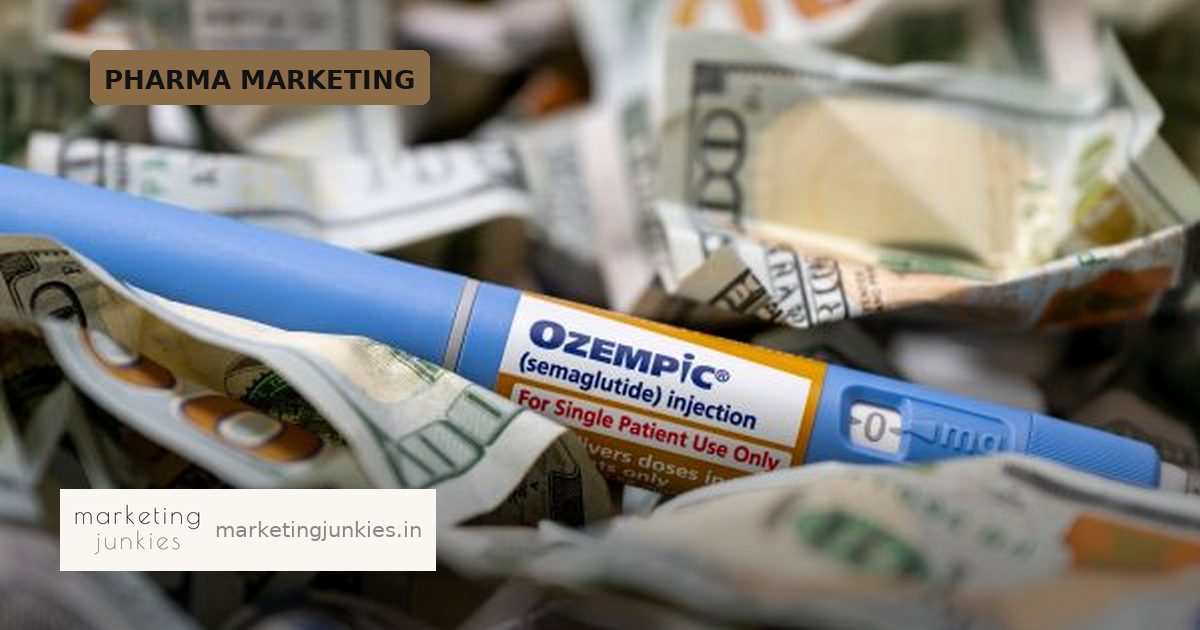
The GLP-1 boom has been one of the most lucrative marketing stories of the decade. Now the funding model behind it is wobbling — and that is changing how weight-loss brands advertise.
According to a Business Group on Health survey cited by Adweek, the share of US employers covering GLP-1s for weight management fell from 72% in 2025 to 60% in 2026. Another 10% of employers who currently cover the drugs for weight loss said they were unlikely to keep doing so. Coverage for diabetes, meanwhile, largely stays intact.
The audience just split in two
Data from The International Foundation of Employee Benefit Plans shows 60% of employers now cover GLP-1s for diabetes only, while just 36% cover both diabetes and weight loss. Cigna cut weight-management coverage under its own employee health plan this summer while retaining diabetes coverage.
The practical effect for marketers: the consumer base is now fractured between people whose treatment is covered and people paying out of pocket. Those are two very different buyers with different price sensitivity, different objections and different media habits — and one creative platform will not serve both.
Why trust becomes the deciding factor
Sam Brough, head of brand at brand research firm Tracksuit, told Adweek that as insurers roll back coverage, cost shifts to consumers and that will reshape how weight-loss brands compete. Once people are footing the bill themselves, he said, two things matter far more: whether they trust a brand, and whether it feels made for them.
That is a familiar shift for anyone who has watched a category move from third-party-funded to self-funded. When someone else pays, awareness and availability win. When the customer pays, brand equity, credibility and perceived relevance win. Brough’s framing is blunt: the brands treating this as a brand-building opportunity rather than another awareness push are the ones likely to pull ahead in the out-of-pocket era.
Direct-to-consumer becomes the battleground
Employers are already nudging staff toward alternative routes. Per IFEBP data, 27% of employers encourage workers seeking GLP-1s to obtain the medication through direct-to-consumer platforms, and 21% point employees toward FSA, HSA or HRA accounts to help fund them.
That makes personalised DTC advertising the main arena. It also raises the compliance stakes: the FDA has taken a strict line against unlawful advertising of compounded GLP-1 products for weight loss, and cease-and-desist letters are a real risk.
The money is moving too. Novo Nordisk, maker of Ozempic and Wegovy, recently shifted its US media account to Omnicom, citing a push to scale consumer-focused strategies and reach patients through emerging channels and technologies.
A new demographic enters the frame
Medicare has piloted the GLP-1 Bridge Program, giving eligible Part D beneficiaries access to certain drugs including Foundayo, Wegovy and Zepbound. Historically, older adults have not been the target for weight-loss drugs — Tracksuit puts the over-65 group at just 12% of the US weight-loss category — but that could shift.
Eli Lilly’s campaign with Wieden+Kennedy Portland, “A Life Covered,” is an early signal. It centres the lifelong experience of living with obesity and introduces access via the Bridge Program, framing the treatment as reachable for a group the category has largely ignored, rather than selling a transformation.
What marketers can take from this
- Segment by payment path, not just condition. Covered and out-of-pocket audiences need separate messaging, pricing cues and channels.
- Sell navigation, not miracles. Helping people understand eligibility, reimbursement and access is now a genuine differentiator.
- Invest in trust assets. Clinician credibility, transparent pricing and consistent brand voice do the heavy lifting when the consumer pays.
- Build compliance into creative. Regulatory review is a creative constraint, not a legal afterthought.
- Look at overlooked cohorts. Older adults are a small slice today; policy changes can move that quickly.
The wider lesson travels beyond pharma. Any category where a third party has been subsidising demand — insurance, employer benefits, platform incentives — faces the same reckoning when the subsidy ends. The brands that have already earned trust get to keep the customer.
Source: Adweek