
Why India is Unilever’s biggest five-year bet
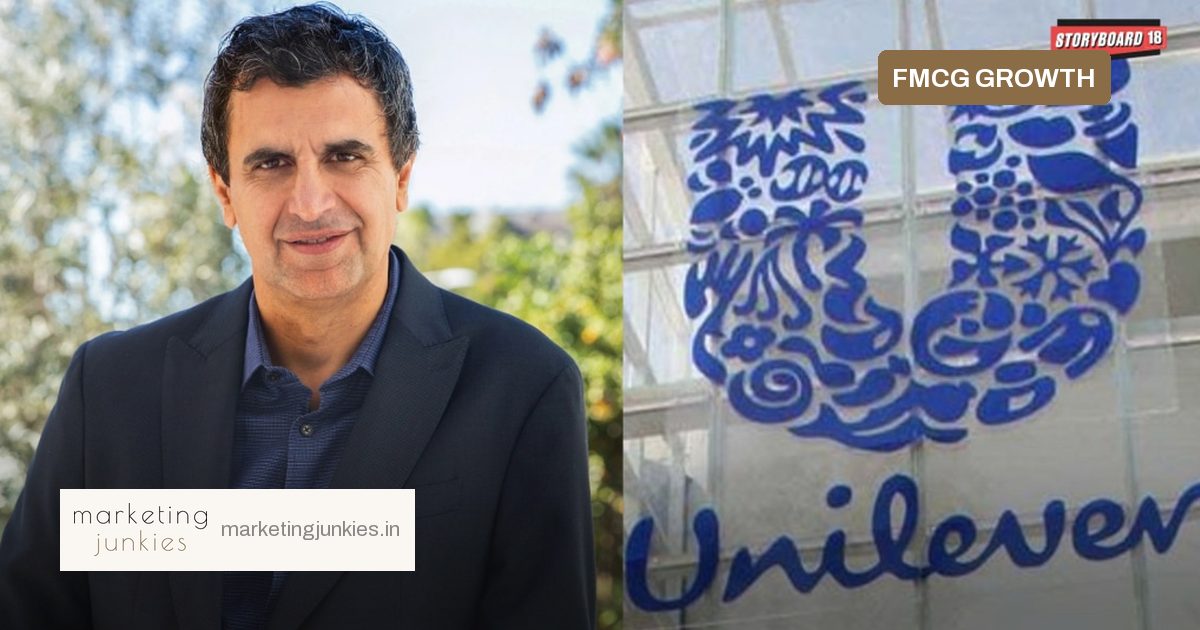
Unilever CEO Fernando Fernandez told investors at the Barclays Global Consumer Conference in Boston that India is probably the only large, exponential growth opportunity in fast-moving consumer goods over the next five years. He expects a significant jump in per-capita consumption and says India’s absolute growth contribution to the FMCG industry will be second only to the US.
Fernandez tied that outlook to broader emerging-market dynamics. After the Foods separation, Unilever expects 62% of its revenue to come from emerging markets, supported by population growth, urbanisation, more women entering the workforce, rising wealth and smaller, more fragmented households. Within that portfolio, India is the company’s biggest business.
Four levers behind the growth plan
At the conference, Fernandez outlined four growth drivers Unilever will pursue across emerging markets, including India:
- Expanding core consumption as household spending rises.
- Premiumising existing portfolios to capture rising affluence.
- Building new segments and categories.
- Moving into adjacent spaces within the current portfolio.
He also cited strong competitive positions: 80% of Unilever’s category-geography cells hold number-one positions and 95% are number-one or number-two. That density gives the company a base to test and scale new products quickly.
India as a blueprint, not just a market
Fernandez called India a blueprint for how Unilever wants to operate across emerging markets. The India business is seeing elevated brands, stronger leadership positions and a shift in performance culture. Volume growth has been around 3% over the past three years and is accelerating this year, he said.
The company says it has mapped 250,000 influencers across India and is currently using 27,000 of them across 19,000 ZIP codes. “There is no other company doing that,” Fernandez said, highlighting the scale of its local influencer engine.
Where the acquisition budget is going
India is one of only two markets where Unilever is concentrating its annual acquisition budget of roughly €1.5 billion to €2 billion. The other is the US. Fernandez said the strategy has shifted from buying primarily to strengthen local positions to building growth platforms in these two markets.
“Many companies are discovering where India is in the map. We know the map of every zip code in India,” he said.
What this means for marketers
For agencies, martech providers and brand teams, the message is practical: India is moving from a distribution story to a demand-generation story. Expect more budget moving toward premium lines, regional content, influencer networks and local measurement. The zip-code-level influencer map is a signal that national campaigns may give way to hyperlocal execution at scale.
Teams that can connect brand building with local language, local creators and retail visibility will be positioned for the next phase of FMCG growth. The opportunity is not just selling more product; it is building new categories before rivals arrive.
Source: Storyboard18