
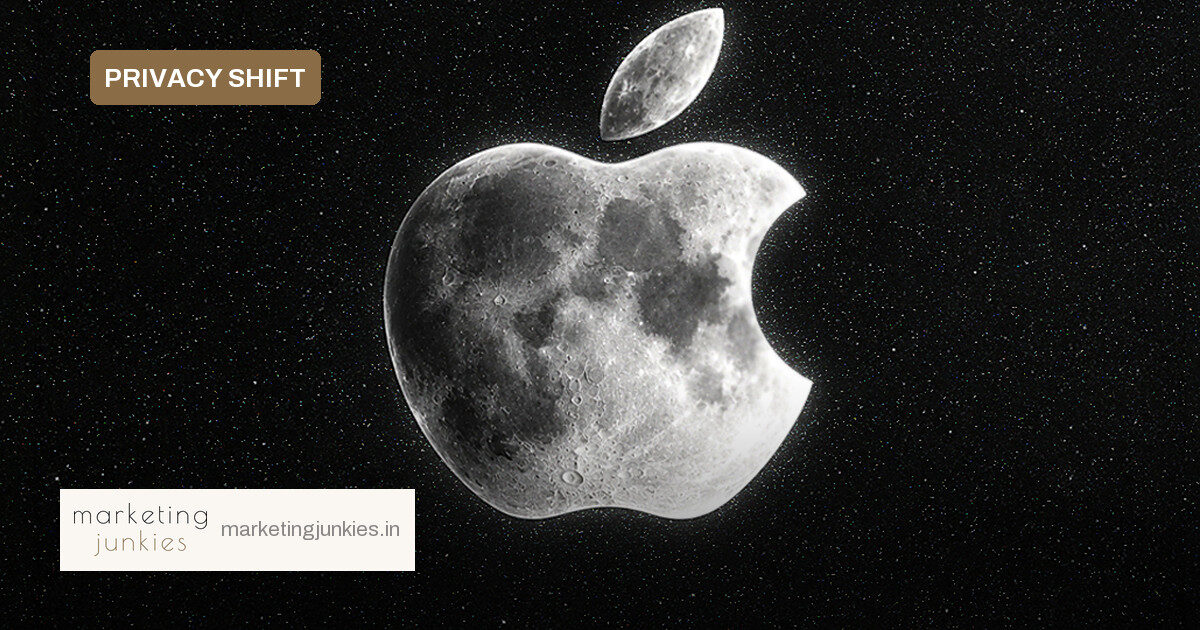
It was the story that wasn’t on the official agenda. At Advertising Week New York, the industry’s on-stage optimism gave way to urgent, mostly off-the-record conversations about Apple and a quiet change that could reshape ad targeting.
What Apple appears to have done
The trigger is Apple’s iOS 27 update, released in mid-September. Digiday reports that Safari has started cutting off companies that track people around the web for ad targeting. Once installed, Safari stops talking to those companies, so they cannot collect data on those users or serve ads to them.
The first names reported include:
- The Trade Desk
- LiveRamp, soon to be owned by Publicis Groupe
- ID5
- Permutive
- Experian’s Audigent
Digiday said it had seen results from a test of more than 70 ad tech domains, with only that first handful blocked. Zeta’s LiveIntent, Publicis Groupe-owned Lotame and Yahoo’s ConnectID — rival ID companies — went through without a problem.
Why this blocklist feels different
The concern isn’t only the first five names. Apple has written new code into WebKit, the engine powering Safari, that would let it add companies whenever it likes without waiting for a software update. That code has not shipped yet, but once it does, the list can expand dynamically. The list is reportedly held in a private GitHub repository.
“What this will allow Apple to do is make this block list dynamic,” said Rowena Lam, senior director of privacy and data at IAB Tech Lab.
The reach goes beyond Safari. Because Apple requires every browser on iPhone and iPad to run WebKit, Chrome, Firefox and others are caught up too.
The Trade Desk’s partial reprieve
Most attention has focused on The Trade Desk. Its ad server is now off the list in a test version of iOS, though users on the current version won’t see the fix until at least the end of the month. The demand-side platform may survive the squeeze, but executives said other companies on the list might not.
Apple can defend the block on privacy grounds partly because it does not compete directly with independent ID vendors. Scott Messer, founder of Messer Media, asked: “Was this a mistake, or was this intentional, and Apple knew exactly what they were doing?” Jay Friedman, a buy-side specialist at Cartograph, said: “This was clearly not a mistake [from Apple]… all this does is begin a massive game of cat and mouse as all these companies adapt.”
Who really pays
This is more than an ad-tech squabble. Publishers use these IDs to show advertisers who is reading, and better-known audiences command higher prices. Safari users on iPhone are among the most valuable readers on the web. Take the IDs away and publishers lose much of what made those readers worth paying for, while marketers lose reach and measurement on a high-value audience.
What to do now
A useful way to read this is as a distribution-risk problem. Marketers and publishers should map which vendors in the stack still lean on cookie-linked identity, especially on Safari, and which have credible server-side or email-based fallbacks. Identity vendors such as ID5 are already reported to be testing server-side pixels and moving away from cookie-based technology.
Apple has not commented by press time, and the list can change without notice. Waiting for a public list is not a strategy. The sensible move is to test alternatives now, while the current block is still limited, and before a dynamic list scales.
Source: Digiday