
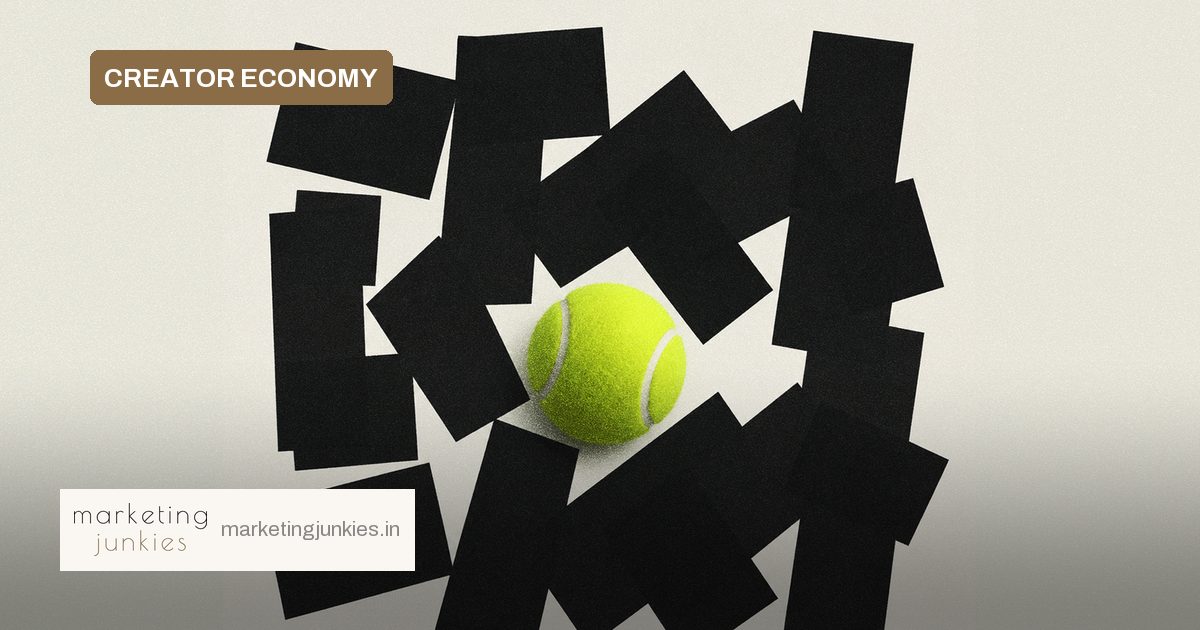
The U.S. Open has long been one of tennis’s most tradition-bound stages. This year, it also became a flashpoint for how live sports should integrate creators. The United States Tennis Association invited roughly 100 credentialed creators to matches in 2026—nearly double the previous year’s cohort, which reportedly generated more than 5.5 million social engagements. ESPN said opening-day coverage was up 13% year over year, and the crowds were strong. But the conversation shifted after a viral moment during Naomi Osaka’s opening match on August 31, when flash photography and a ring-light selfie in a hospitality suite briefly stopped play.
ESPN reported that the creators involved were not USTA-credentialed, but the clip still fueled a wave of criticism. Osaka told reporters that attendees should “respect the sport” and understand tennis etiquette. The Daily Mail declared that influencers were killing the U.S. Open, and posts lambasting creators spread on X.
Why marketers are mostly not panicking
The six marketing executives and creator agents Digiday interviewed largely view the backlash as an overreaction. They point to the 2026 World Cup, where FIFA gave TikTok and YouTube creators unmatched access to stadiums and matches, and their content outperformed celebrity endorsements. Creators, the argument goes, help sports reach audiences that traditional coverage may not.
But the U.S. Open moment still offers concrete lessons for brands activating creators at live events.
- Brief before the invite. Make etiquette, content zones, timing, and athlete/spectator boundaries part of the pre-event conversation.
- Prioritize fit over follower count. The right creator has a genuine connection to the sport or audience, not just a big reach.
- Keep the game the hero. If an activation becomes a spectacle, loyal fans may feel the match is being upstaged.
- Manage on the ground. Even a clear brief needs real-time guidance during the event.
Etiquette is part of the brief
Cayley Stonehouse, senior social media strategist at Gupta Media, said the relationship with a creator “should go beyond just deliverables and talking points” to include the rules of the sport, when and where to capture content, and what is expected during play. She noted that tennis is not a soccer or football environment where rowdiness is normal, and that it is the brand’s job to brief creators—though that does not always happen.
Curtis Midkiff Jr., director of social media marketing at Sprout Social, said the controversy will likely make event etiquette a more explicit conversation. Becky Owen, CMO of Billion Dollar Boy, said her agency “mandate[s] strict etiquette protocols” to protect athletes and paying fans. Gabby Gamad, COO and co-founder of LV8, advised that rules should be clear without being restrictive—giving creators enough context to be creative without harming the experience.
Don’t let the activation become the story
Beni Brown, global director of strategy at Buttermilk, said brands should ask how to keep gameplay the main attraction rather than the spectacle. “The backlash comes when it stops being about the game,” she explained. If tennis turns into a spectacle, she added, the sport risks losing its always-on loyalists.
Brown also noted that teaching new fans about tennis can be powerful—especially compared with a more universally understood sport such as soccer. The best activations keep the focus on the game and layer a brand story on top of it.
Choose creators who already belong
Emily Steele, CEO of Hummingbirds, said the answer is not fewer influencers but “the right influencers who have a relationship to what they’re covering, not influencers who were dropped in for the weekend.” Stonehouse similarly cautioned against choosing creators just for follower count.
Tennis-native creators like Morgan Riddle show the upside. Riddle, who once dated Taylor Fritz, used accessible rule explainers, style guides, and behind-the-scenes vlogs to rebrand the circuit as “the chicest sport in the world,” according to Owen. Riddle’s “get ready with me” TikTok ahead of the 2022 Australian Open has surpassed 1.1 million views, and she has more than half a million followers and 27 million likes.
Creators aren’t leaving sports
Executives told Digiday that creators are especially valuable for sports with higher barriers to entry—such as tennis, golf, and F1—where tickets are expensive and access has historically been limited. Stonehouse said creators act as fans’ eyes and ears on the ground, offering an experience TV cannot replicate.
Brown pointed out that similar tensions occurred in F1 and Coachella as new voices expanded those communities. The question, she said, is less about accessibility and more about how brands create taste along the way. That balancing act will define the next phase of creator-led sports marketing.
Source: Digiday