At Advertising Week New York, Salesforce CMO Erin Oles told Adweek’s Jenny Rooney that the classic marketing playbook is losing its shelf life because buyers have changed the route. Her team put a number on the shift: an AI SEO agent found 10,000 broken links and pages across Salesforce-owned web properties.
Oles estimates the cleanup would have taken roughly 5,000 human hours. AI handled it within hours. The point was not “we used AI.” It was that repetitive discovery work can be handed to machines while humans spend judgment on strategy and customers.
The funnel is an assumption, not a fact
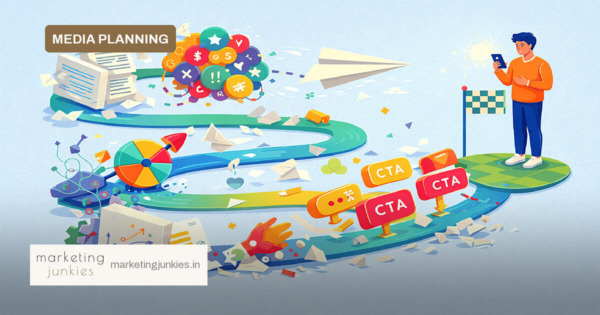
Oles argues the nurture funnel increasingly feels artificial. It assumes marketers can get buyers to identify themselves, land on owned properties, and move neatly through stages. In reality, buyers are asking LLMs for answers, talking to peers, and moving between sources before a brand ever sees them.
Her response is “surround marketing”: build enough relevance and credibility around the customer that you matter wherever they choose to look, instead of forcing them onto a path they never asked for.
- Buyers are researching through AI answers and peer conversations before brand contact.
- Owned content can quietly work against a brand inside LLM results.
- Yesterday’s attribution models may not explain tomorrow’s customer journey.
AI search exposes your content
At an event with 30 CMOs, Oles says every participant—including her—had owned properties actively working against them in LLM results. There’s a gap between CMOs who say AI visibility matters and those changing their marketing based on what they find.
She also separates AEO from SEO: being visible inside large-language-model answers is different from ranking on a search results page, and it is not a matter of swapping acronyms.
Start with a problem, not a use case
Oles’ clearest practical rule is to give AI a real problem, not a vague “use case.” The SEO agent was pointed at a known pain: site health and discoverability across Salesforce’s web properties. That specificity produced 10,000 fixes and an estimated 5,000 human hours returned.
As intelligence becomes more universal, Oles says context grows more valuable. Anyone can ask an LLM for a plan; understanding what to ask, what it means for a specific customer, and which trade-offs matter is the durable skill.
What marketing teams should do now
Start by auditing how your brand appears inside LLM answers, because an AI-generated response can shape a buyer before they ever click. Fix broken or outdated owned content, and give AI a concrete problem—something that wastes hours or hides the customer’s actual path.
As Oles puts it, “Give AI a problem, not a use case” is a practical filter that keeps AI work tied to outcomes rather than demos.
Source: Adweek